
The quest for optimal domestic illumination has evolved dramatically, presenting homeowners with a critical choice: embrace the advanced capabilities of smart lighting systems or retain the familiar simplicity of traditional dimmers. In 2026, the question of which technology offers superior control is decisively answered by the integrated, adaptive, and highly customizable nature of smart lighting. While traditional dimmers provide foundational light intensity adjustment, smart lighting platforms transcend mere dimming, offering unparalleled command over ambiance, energy consumption, and seamless integration within the broader smart home ecosystem, making them the unequivocal frontrunner for comprehensive illumination management.
Functionality and Control Capabilities
Traditional Dimmers: The Foundational Approach
Traditional dimmer switches have long served as the standard for basic light intensity control. Functioning through a direct electrical connection to a fixture, these devices typically employ a rotary knob, slider, or toggle mechanism to vary the voltage supplied to incandescent or halogen bulbs, thereby adjusting brightness. While effective for simple dimming, their control is largely localized and limited to a single circuit or fixture. Modern traditional dimmers have seen minor advancements, such as compatibility with certain LED types (requiring specific “LED-compatible” models to prevent flickering), but their core functionality remains rooted in direct electrical manipulation. The resident benefits from straightforward operation and a robust, time-tested mechanism, albeit one without remote access or advanced automation.
Smart Lighting: A New Dimension of Control
Smart lighting systems, by contrast, offer a vast spectrum of control that extends far beyond simple dimming. In 2026, these systems leverage advanced wireless protocols like Thread, Matter, and enhanced Wi-Fi, allowing for communication between individual bulbs, switches, sensors, and central hubs. This connectivity enables a multitude of functions:
- Granular Brightness and Color Control: Not only can brightness be adjusted, but many smart bulbs offer tunable white light (from warm to cool tones) and full RGB color spectrum capabilities, allowing for dynamic scene creation.
- Remote and Voice Activation: Control is accessible via smartphone applications, smart home dashboards, and voice assistants (e.g., Siri, Alexa, Google Assistant) from anywhere, inside or outside the home.
- Scheduling and Automation: Lights can be programmed to turn on/off or dim at specific times, synchronize with sunrise/sunset, or respond to occupancy sensors. This includes sophisticated routines that adapt to the homeowner’s daily schedule.
- Adaptive and Circadian Lighting: A significant 2026 trend, adaptive lighting systems automatically adjust color temperature and brightness throughout the day to mimic natural light cycles, supporting human circadian rhythms and enhancing well-being.
- Integration with Smart Home Ecosystems: Smart lights seamlessly integrate with other smart devices, such as thermostats, security cameras, and automated blinds, allowing for complex routines. For instance, “movie night” scenes can simultaneously dim lights, lower blinds, and adjust the thermostat.
- Energy Monitoring: Advanced smart lighting systems in 2026 often include energy consumption tracking, empowering the resident to monitor and optimize usage for greater efficiency.
The control offered by smart lighting is multifaceted and intelligent, adapting to the user’s needs and environment rather than requiring constant manual intervention.
Installation and Integration for 2026 Homes
Traditional Dimmer Installation
The installation of traditional dimmer switches typically involves direct electrical wiring. An electrician replaces a standard light switch with a dimmer, ensuring compatibility with the existing electrical load and bulb type. While straightforward for a professional, it requires direct access to wiring and adherence to electrical codes. The process is a one-time physical intervention and does not involve software configuration or network setup. For many existing homes, this represents a relatively quick and cost-effective upgrade for basic dimming functionality.
Smart Lighting System Setup
Smart lighting installation varies in complexity, depending on the chosen system architecture:
- Smart Bulbs: The simplest method involves replacing existing bulbs with smart versions. This is a plug-and-play solution requiring no electrical rewiring. The bulbs connect wirelessly (often via Bluetooth, Wi-Fi, or a hub) and are configured through a smartphone app.
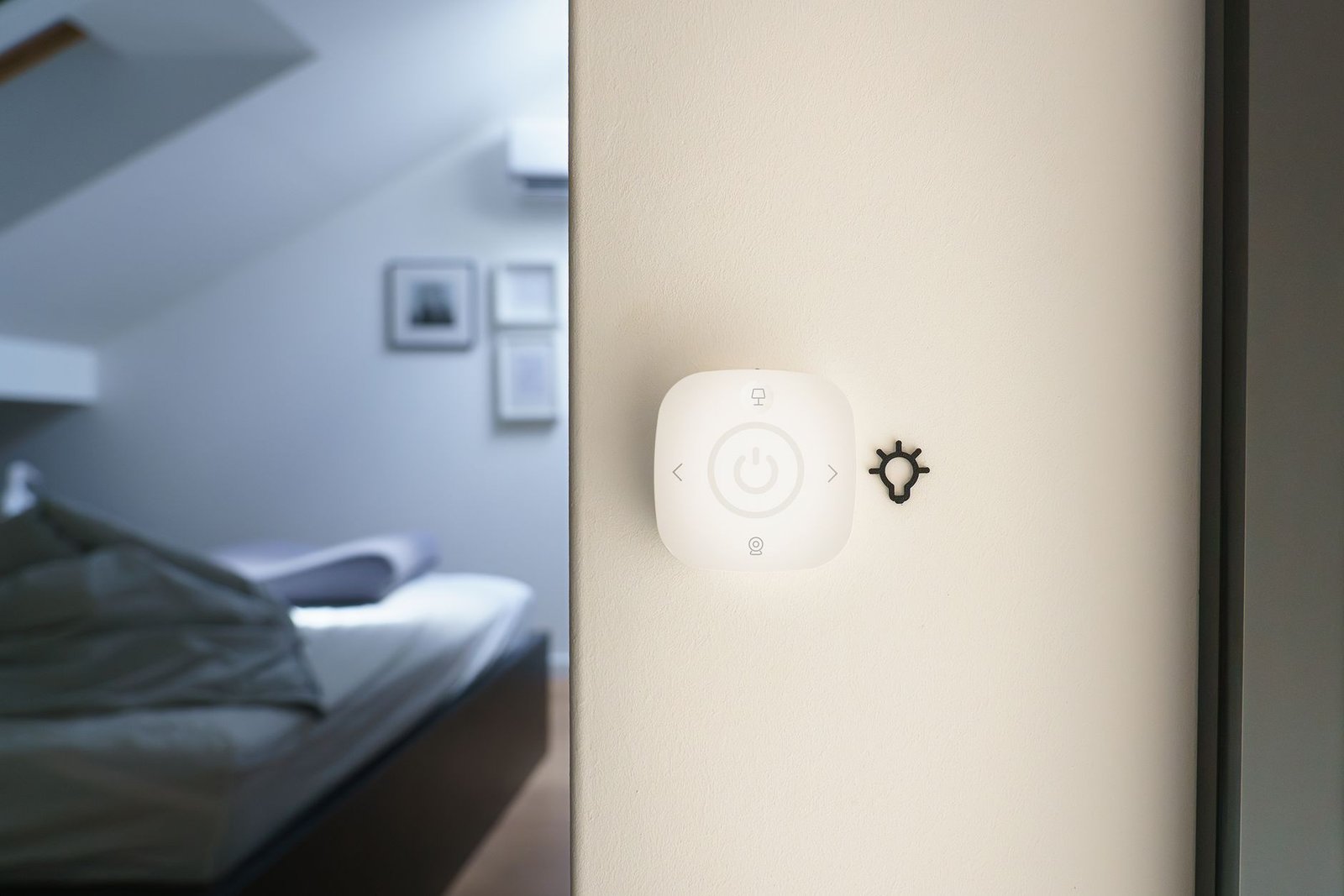
- Smart Switches/Dimmers: For a more integrated approach, smart switches or wall dimmers replace traditional ones. This does require electrical wiring, similar to traditional dimmers, but these devices communicate wirelessly with the network and offer smart functionality for non-smart bulbs. Modern smart switches often boast sleek designs with capacitive touch controls and minimal aesthetic impact, reflecting 2026 interior design trends emphasizing clean lines and integrated technology.
- Hub-Based Systems: Many robust smart lighting systems utilize a central hub to manage communication between devices. While adding an extra piece of hardware, hubs enhance reliability, range, and unlock advanced features. The setup involves connecting the hub to the home network and then pairing individual lighting devices.
The initial setup of smart lighting involves a software component – pairing devices, configuring rooms, setting up schedules, and creating scenes via an app. While this can seem more involved than a simple switch replacement, the process has become increasingly user-friendly by 2026, with guided app interfaces and auto-discovery features streamlining integration. The flexibility of smart lighting installation allows homeowners to upgrade gradually, starting with a few bulbs and expanding the system over time.
User Experience and Future-Proofing
Daily Interaction and Convenience
The daily user experience with traditional dimmers is tactile and immediate, but also limited. An individual physically interacts with a switch to adjust light. This offers a sense of direct control but lacks flexibility. Conversely, smart lighting transforms the interaction. A resident can adjust lights with a spoken command, a tap on a tablet, or automatically based on presence or time of day. This provides unprecedented convenience, particularly in large homes or for individuals with mobility considerations. The ability to create dynamic “scenes” – for example, a “reading scene” with focused bright light and a “relaxing scene” with warm, dim light – drastically enhances domestic comfort and aesthetic appeal. Modern material developments in 2026 include increasingly responsive sensors and discreet, durable smart home hardware that blends seamlessly into sophisticated interior designs, maintaining an uncluttered aesthetic.
Evolution of Smart Lighting: 2026 Trends
The future-proofing aspect is where smart lighting truly distinguishes itself. By 2026, smart lighting systems are designed with interoperability and ongoing innovation in mind:
- Matter Protocol Adoption: The widespread adoption of the Matter standard ensures greater compatibility across different brands and ecosystems, simplifying integration and reducing the risk of vendor lock-in.
- AI-Powered Predictive Lighting: Emerging systems utilize AI to learn resident habits and environmental conditions, proactively adjusting lighting to optimize comfort, energy efficiency, and security without direct input.
- Enhanced Sensor Integration: Beyond simple occupancy, 2026 smart lighting integrates with ambient light sensors, air quality monitors, and even biometric sensors to create highly personalized and reactive environments.
- Sustainable and Efficient Design: Fixtures incorporate advanced LED technology with improved longevity and higher lumens-per-watt ratios, coupled with smart controls that minimize wasted energy. New material developments focus on recycled and sustainably sourced components for both bulbs and fixtures.
- Advanced Cybersecurity: With increased connectivity, robust cybersecurity measures are standard in 2026 smart home products, protecting resident privacy and system integrity.
Traditional dimmers, while reliable, offer no path for integration with these evolving smart home trends, locking the resident into a static, singular function.
Cost Considerations and Long-Term Value
Initial investment is often a primary factor for homeowners. Traditional dimmer switches are undeniably more affordable upfront. A single high-quality dimmer typically costs significantly less than a single smart bulb or smart switch. However, this immediate saving does not account for the extensive capabilities and potential long-term value offered by smart lighting. The cost of smart lighting components has steadily decreased by 2026, making it more accessible. Furthermore, the ability to control and monitor energy usage precisely can lead to substantial savings on electricity bills over time. Advanced scheduling and occupancy sensing ensure lights are only on when needed, and at optimal brightness levels. The enhanced lifestyle, convenience, security benefits (e.g., vacation mode to simulate occupancy), and overall property value increase associated with a fully integrated smart home system further justify the higher initial outlay. For a holistic domestic comfort strategy, the long-term benefits and adaptability of smart lighting represent a superior return on investment.
Conclusion
When considering which lighting control solution offers more command in a 2026 home, smart lighting systems emerge as the clear leader. While traditional dimmers fulfill a basic need for brightness adjustment with reliability and simplicity, they are fundamentally limited in scope, interactivity, and adaptability. Smart lighting, conversely, provides a rich, dynamic, and integrated control experience encompassing brightness, color, scheduling, automation, and seamless integration within the smart home ecosystem. The ongoing evolution of smart home technology, marked by standards like Matter and AI-driven predictive capabilities, solidifies smart lighting’s position as the future-proof choice for homeowners seeking comprehensive, convenient, and energy-efficient illumination management. For those prioritizing advanced functionality, personalization, and future scalability, the intelligent glow of smart lighting far outshines the static presence of traditional dimmers.