
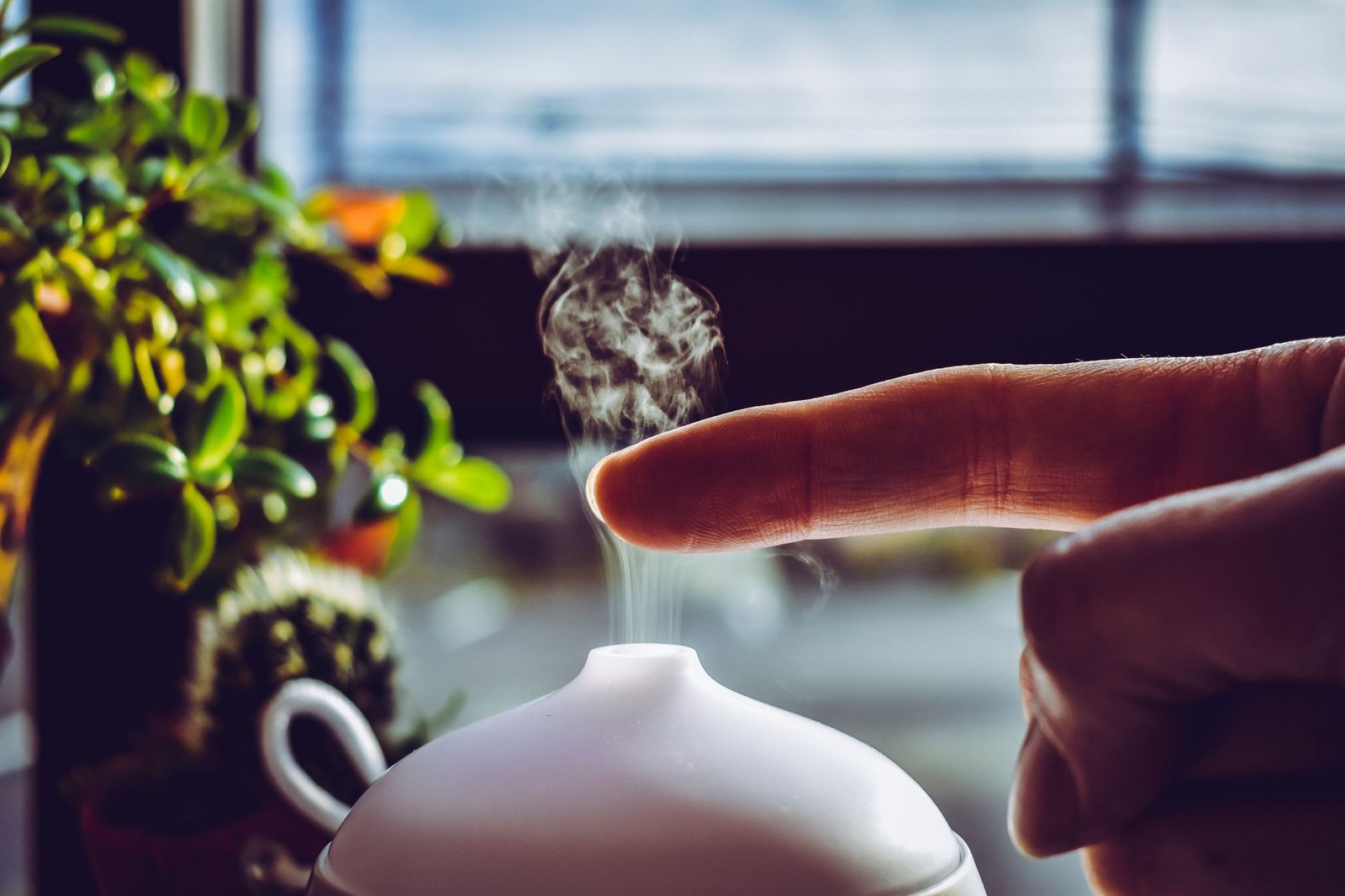
In the evolving landscape of home wellness, understanding the precise function of devices designed to enhance indoor air quality is paramount. When considering the common dilemma between an essential oil diffuser and a humidifier for addressing dry air or allergy symptoms, it is crucial to recognize their distinct primary functions. Humidifiers are the direct solution for adding moisture to dry indoor environments, thereby alleviating dry air symptoms and offering indirect relief for certain allergy symptoms by soothing irritated mucous membranes. Essential oil diffusers, conversely, disperse aromatic compounds from essential oils for therapeutic effects, providing complementary wellness benefits rather than significant humidity control or direct treatment of allergy-related respiratory conditions. The optimal choice for a resident hinges on their primary need in 2026.
Understanding Humidifiers: Core Function and Benefits
Humidifiers are engineered to introduce moisture into the air, effectively combating the challenges posed by arid indoor climates, which are often exacerbated by central heating systems during cooler months. These devices primarily operate through two main mechanisms: ultrasonic and evaporative.
Ultrasonic Humidifiers: Silent Efficiency
Ultrasonic humidifiers utilize a metal diaphragm that vibrates at ultrasonic frequencies, creating a fine mist of water that is then dispersed into the room. In 2026, advancements in ultrasonic technology have led to devices that are remarkably quiet, making them ideal for bedrooms and nurseries. Modern iterations frequently incorporate antimicrobial components, such as silver ion-infused tanks or UV-C light sterilization, to prevent the growth of mold and bacteria within the water reservoir, ensuring a cleaner mist output.
Evaporative Humidifiers: Natural Moisture Release
Evaporative humidifiers work by drawing dry air over a wetted wick or filter, with a fan assisting in the distribution of the naturally evaporated moisture. These models are often self-regulating, as the rate of evaporation decreases as the ambient humidity rises, preventing over-humidification. For 2026, evaporative models are featuring more sustainable wick materials, often biodegradable or designed for extended life, alongside enhanced air filtration capabilities that capture dust and allergens before humidification begins.
Health and Comfort Benefits
- Relief from Dryness: Direct alleviation for dry skin, chapped lips, irritated nasal passages, and scratchy throats.
- Respiratory Support: Moistens airways, which can soothe coughs and congestion associated with colds, flu, and mild allergic reactions by making mucous easier to clear.
- Static Electricity Reduction: Helps mitigate static build-up in homes.
- Preservation of Home Furnishings: Can help prevent wooden furniture, floors, and musical instruments from drying out and cracking.
The 2026 market sees humidifiers deeply integrated into smart home ecosystems, allowing for precise humidity control via mobile applications or voice commands. Some premium models feature built-in hygrometers that automatically adjust output to maintain a user-defined humidity level, often between the recommended 40-60% range, which is crucial for comfort and preventing issues like mold growth or dust mite proliferation.
Exploring Essential Oil Diffusers: Purpose and Applications
Essential oil diffusers serve a fundamentally different purpose: to disperse the aromatic compounds of essential oils into the atmosphere, primarily for aromatherapy benefits. While some types, like ultrasonic diffusers, use water, the humidity contribution is negligible compared to a dedicated humidifier.
Types of Essential Oil Diffusers
- Ultrasonic Diffusers: Similar in mechanism to ultrasonic humidifiers, these devices use water and essential oil to create a fine, scented mist. They are a popular choice due to their quiet operation and ability to create a pleasant ambiance.
- Nebulizing Diffusers: These diffusers use air pressure to atomize pure essential oil into a fine mist without the need for water or heat. They deliver a highly concentrated aroma and are often preferred by aromatherapy purists for their potency. In 2026, portable, battery-operated nebulizers made from sustainable materials are gaining traction.
- Evaporative Diffusers: Air is blown across a filter pad or wick that contains essential oil, causing it to evaporate into the air.
- Heat Diffusers: Gentle heat is used to evaporate the essential oil. These are typically silent but can alter the therapeutic properties of some oils.
Aromatherapy and Wellness Benefits
The benefits of diffusers stem from the properties of the essential oils used:
- Mood Enhancement: Oils like lavender can promote relaxation, while citrus oils like lemon or sweet orange can uplift spirits.
- Perceived Respiratory Support: Certain oils (e.g., eucalyptus, peppermint) can create a sensation of clearer breathing when diffused, offering a comforting aroma during periods of congestion, though they do not directly treat underlying respiratory conditions.
- Odor Neutralization: Can effectively mask or neutralize unpleasant odors in a space.
- Focus and Concentration: Oils like rosemary or peppermint are often used to enhance mental clarity.
In 2026, smart diffusers offer advanced features such as customizable diffusion schedules, integration with smart lighting and sound therapy, and remote control via apps. Design trends emphasize sleek aesthetics, often utilizing sustainable materials like bamboo, recycled plastics, or ceramic to complement modern home interiors.
The 2026 Perspective: Innovations and Material Trends
The home wellness market in 2026 is characterized by significant advancements in both device categories, driven by consumer demand for efficiency, hygiene, and smart integration.
- Sustainable Materials: A growing emphasis on eco-friendly production sees both humidifiers and diffusers incorporating recycled, biodegradable, or sustainably sourced materials in their construction, reducing their environmental footprint.
- Smart Home Integration: The Matter protocol has standardized connectivity, allowing both device types to seamlessly integrate into comprehensive smart home ecosystems. This enables automation, such as a humidifier activating when indoor humidity drops below a threshold, or a diffuser turning on with a morning routine.
- Enhanced Air Quality Monitoring: Advanced humidifiers now often feature integrated sensors that not only monitor humidity but also particulate matter (PM2.5) and volatile organic compounds (VOCs), adjusting their operation or providing data to the resident.
- Hygiene and Maintenance: Self-cleaning cycles, UV-C sterilization, and easy-access designs for thorough cleaning are standard in many premium models, addressing common user concerns about mold and bacteria.
- Energy Efficiency: Both categories are seeing significant improvements in energy consumption, aligning with broader sustainability goals and reducing operational costs for the homeowner.
Making the Informed Choice: Dry Air vs. Allergies
The decision between an essential oil diffuser and a humidifier ultimately boils down to the resident’s primary environmental concern.
For Addressing Dry Air
A humidifier is the unequivocal choice for dry air conditions. It directly and substantially increases atmospheric moisture, providing relief from physical symptoms like dry skin, dry nasal passages, and irritated throats. The output of moisture from a diffuser, even an ultrasonic one, is inconsequential when the goal is to raise the overall humidity level of a room.
For Addressing Allergy Symptoms
The role of each device for allergy symptoms is more nuanced:
- Humidifiers for Indirect Allergy Relief: Maintaining an optimal indoor humidity level (generally between 40-50%) can be beneficial for some allergy sufferers. This range can help soothe irritated mucous membranes, making breathing more comfortable. It can also help airborne allergens like dust and pollen settle faster by adding moisture to the air. Crucially, exceeding 60% humidity can exacerbate issues for dust mite and mold allergies, so careful monitoring with a hygrometer (often built into 2026 smart humidifiers) is essential.
- Essential Oil Diffusers for Complementary Support: Diffusers do not remove allergens from the air, nor do they directly treat allergic reactions. However, diffusing certain essential oils (e.g., eucalyptus, tea tree, peppermint) can provide a comforting aroma that gives the *sensation* of clearer breathing, which can be soothing during allergy season. This is an aromatic benefit, not a medical treatment or an air purification function. The resident should never rely on a diffuser as the sole or primary method for managing allergies.
Synergistic Use and Maintenance
For individuals seeking both atmospheric moisture and aromatic benefits, operating a humidifier and an essential oil diffuser simultaneously can be an effective strategy.
- Combined Approach: A humidifier can be placed to address the overall room humidity, while a diffuser, positioned strategically, can deliver desired essential oil aromas without impacting the humidifier’s primary function.
- Critical Maintenance: Regardless of the device chosen, diligent maintenance is paramount in 2026. For humidifiers, this involves daily water changes, weekly cleaning of tanks and bases with appropriate solutions (e.g., vinegar or manufacturer-recommended cleaners), and timely filter replacement to prevent the proliferation of mold, bacteria, and mineral dust. Modern models with self-cleaning features simplify this process. For diffusers, regular cleaning of oil residue is essential to prevent clogging and maintain efficiency, especially for nebulizing types. Using distilled water in ultrasonic models helps prolong their life and prevents mineral buildup.
- Safety Considerations: When using essential oils, always opt for high-quality, therapeutic-grade products. Care should be taken when diffusing around infants, pets, or individuals with respiratory sensitivities or underlying health conditions, and consultation with a healthcare professional or veterinarian is advisable. Adequate ventilation should always be ensured.
In conclusion, the decision between an essential oil diffuser and a humidifier rests on the resident’s primary goal. For direct atmospheric moisture and relief from dry environmental conditions, a humidifier is indispensable. For aromatic wellness benefits and complementary comfort, a diffuser is the ideal choice. In 2026, both categories offer sophisticated, efficient, and interconnected solutions, empowering residents to curate their indoor environment for optimal comfort and well-being with precision and style.