
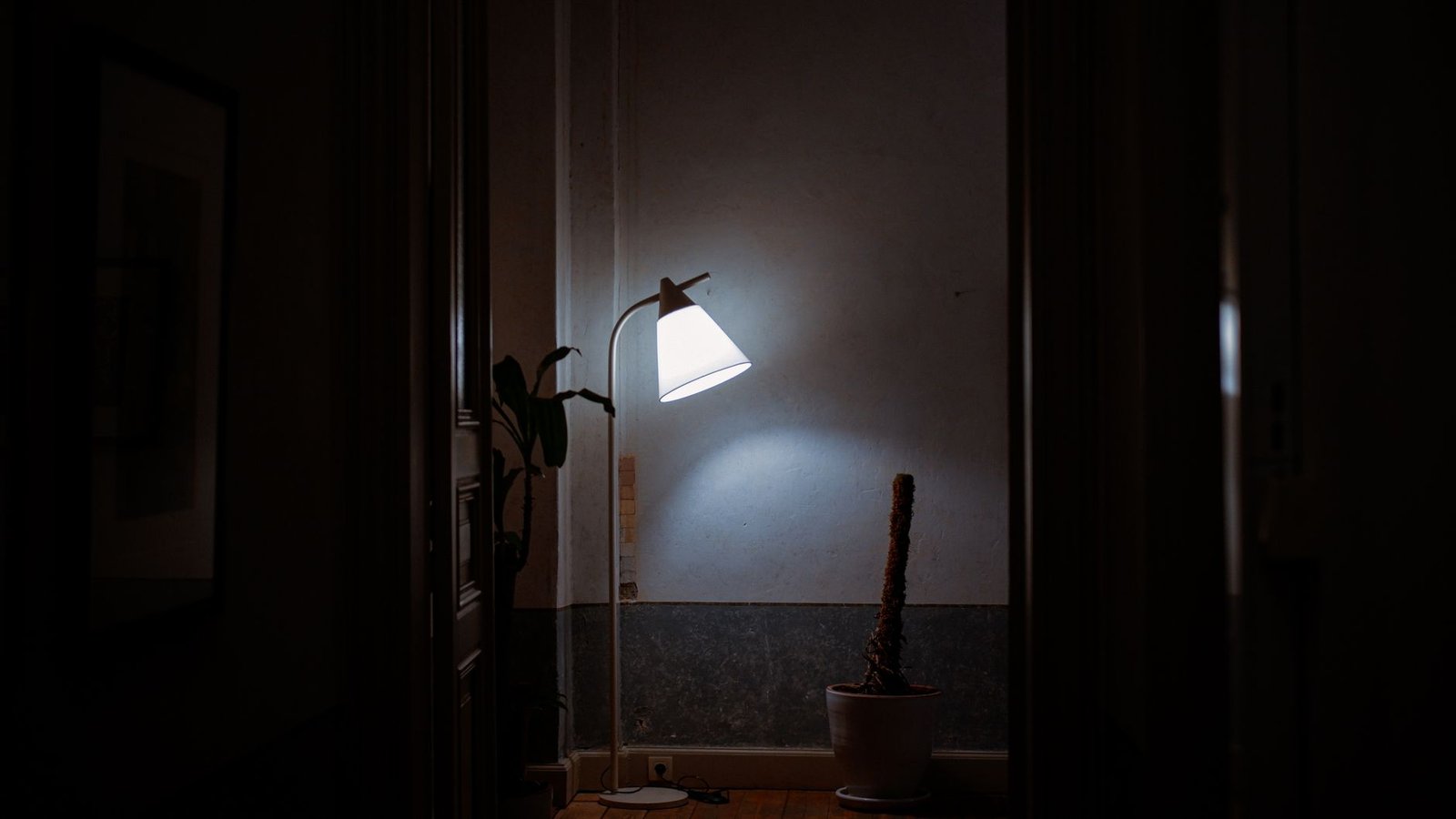
The challenge of a dark interior space can often diminish its perceived size, warmth, and overall appeal. When a room lacks natural light, it can feel unwelcoming and gloomy. However, transforming a dim environment into a bright, inviting haven is achievable through strategic interior lighting. By implementing specific lighting techniques, fixture types, and modern innovations, any dark room can be revitalized, enhancing both its aesthetic and functional qualities.
Understanding the Challenge: Why Rooms Feel Dark
Rooms often appear dark due to a confluence of factors. Limited natural light entry, perhaps from small windows or obstructions, is a primary culprit. Beyond this, incorrect paint choices, heavy furnishings, and inadequate artificial lighting contribute significantly. Poor light distribution, reliance on a single overhead fixture, or the use of fixtures that cast harsh shadows can exacerbate the problem, leaving corners dim and the overall ambiance subdued. Addressing these underlying issues is the first step toward a brighter interior.
The 5 Interior Lighting Tricks for Enhanced Brightness
1. Layered Lighting: A Holistic Approach
Effective illumination in any room, especially a dark one, hinges on a layered lighting strategy. This involves combining ambient, task, and accent lighting to create depth and eliminate shadows. Ambient lighting establishes the room’s general brightness, often achieved with recessed lighting, flush mounts, or decorative pendants. For 2026, integrated smart LED panels that adjust intensity and color temperature automatically are gaining prominence, offering seamless transitions from bright daylight simulation to warmer evening glows. Task lighting focuses illumination on specific areas for activities like reading or cooking, utilizing fixtures such as desk lamps, under-cabinet lights, or floor lamps. Accent lighting highlights architectural features, artwork, or plants, often achieved with spotlights or track lighting. By integrating these three layers, the resident can control the mood and functionality of the space with precision.
2. Embrace Reflective Surfaces and Light Colors
Beyond direct light sources, leveraging a room’s surfaces can significantly amplify brightness. Light-colored walls, especially those with a subtle sheen, reflect light rather than absorbing it. Whites, creams, and pale pastels are excellent choices. For 2026, innovations in paint technology include high-LRV (Light Reflectance Value) paints engineered with micro-reflective particles, boosting perceived brightness without excessive gloss. Mirrors are powerful tools, strategically placed opposite windows or light sources to bounce natural and artificial light deeper into the room. Mirrored furniture, high-gloss finishes on tables, and polished metallic accents also contribute to this reflective effect, making a space feel more open and luminous.
3. Strategic Fixture Placement and Directional Lighting
The placement of light fixtures is as crucial as their type. Instead of relying solely on a central overhead fixture, which can create a “cave effect” by leaving walls and corners dark, distribute light sources throughout the room.
- Wall Sconces: These provide upward and downward light, washing walls with illumination and making the ceiling appear higher.
- Floor and Table Lamps: Positioned in corners or next to seating, these eliminate dark pockets and add pools of inviting light.
- Track Lighting with Adjustable Heads: Allows the user to direct light precisely where it is needed, highlighting features or washing a dark wall.
- Recessed Lighting: Installed along the perimeter, rather than just the center, it ensures even light distribution.
Modern smart lighting systems (2026 trend) allow for dynamic adjustments, where light intensity and direction can be controlled remotely or even adapt based on ambient light levels, optimizing brightness throughout the day.
4. Optimize Color Temperature for Warmth and Brightness
Color temperature, measured in Kelvins (K), plays a pivotal role in how a room feels. For dark spaces, selecting the right color temperature can significantly impact perceived brightness and mood.
- Cooler Temperatures (4000K-5000K): These mimic daylight and are excellent for task-oriented areas or general ambient light in perpetually dark rooms, making them feel crisp and bright.
- Warms Temperatures (2700K-3000K): These emit a softer, yellowish glow, ideal for creating a cozy, inviting atmosphere in living rooms or bedrooms.
The homeowner should consider tunable white LEDs, a prominent 2026 trend, which allow for seamless adjustment between warm and cool light. This flexibility means a single fixture can provide bright, energetic light during the day and a comforting glow in the evening, adapting to the room’s evolving needs and the resident’s circadian rhythm. Choosing bulbs with a high Color Rendering Index (CRI of 90+) is also vital, as they accurately render true colors, preventing the space from appearing drab.
5. Integrate Natural Light Enhancers and Smart Window Treatments
While artificial lighting is key, maximizing any available natural light is paramount.
- Sheer Curtains or Blinds: Replace heavy drapes with translucent fabrics that diffuse light without blocking it entirely. Smart window treatments, commonplace in 2026, can automatically adjust slat angles or raise/lower to optimize daylight harvesting throughout the day, responding to sunlight intensity.
- Clean Windows: Simple yet effective, clean windows allow maximum light penetration.
- Consider Light Tubes or Solar Tunnels: For interior rooms without direct window access, these innovative solutions (especially advanced models in 2026 with integrated UV filters and diffusers) can pipe natural light from the roof into the core of the home, offering a surprisingly bright and natural glow.
- Exterior Landscaping: Prune trees or shrubs that might be blocking light from windows.
These elements work in concert with artificial light to create a comprehensive brightening strategy.
Advanced Considerations for 2026 and Beyond
The lighting landscape in 2026 is heavily influenced by smart home integration and sustainable design. Homeowners are increasingly adopting systems that offer granular control over every light source, often through voice commands, apps, or pre-programmed scenes. Biometric lighting systems that adapt light intensity and color temperature based on the resident’s presence and activity patterns are emerging, promising optimal comfort and energy efficiency. Material developments include fixtures made from recycled and bio-based plastics, as well as lightweight, durable composites. Furthermore, the trend towards minimalist design favors sleek, integrated lighting solutions that blend seamlessly into architecture, often becoming invisible until activated. These advancements provide unprecedented flexibility and sophistication in brightening any interior.
Conclusion
Transforming a dark room into a luminous and inviting space requires a thoughtful, multi-faceted approach. By understanding the principles of layered lighting, harnessing reflective surfaces, optimizing fixture placement, selecting appropriate color temperatures, and leveraging natural light enhancers, the homeowner can achieve remarkable results. The integration of 2026’s smart lighting technologies and sustainable material innovations further empowers residents to create dynamic, energy-efficient, and aesthetically pleasing environments. With these five interior lighting tricks, any dim interior can be expertly revitalized, enhancing domestic comfort and visual appeal.