
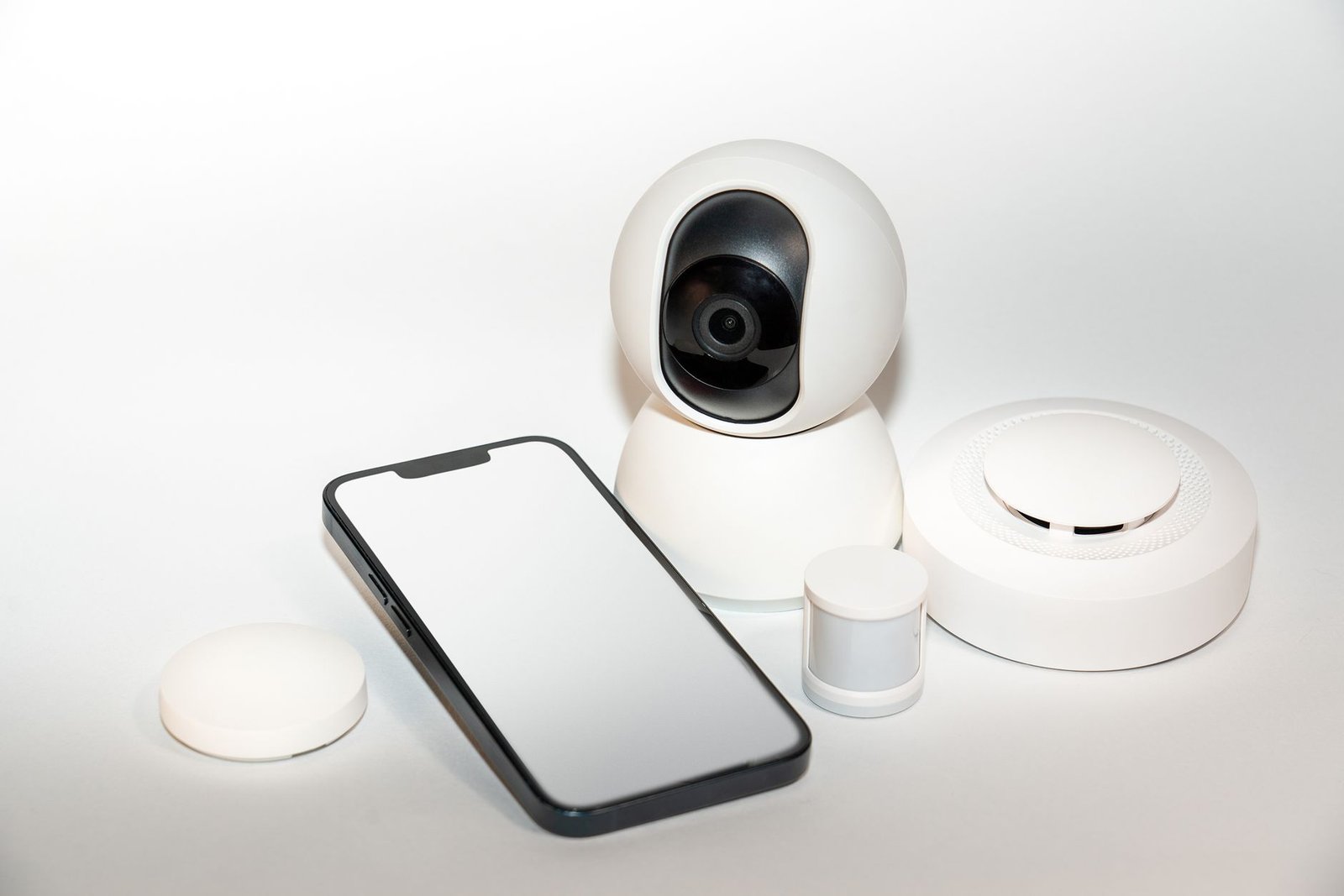
In 2026, determining whether a smart doorbell or a dedicated smart security camera is superior for home entry monitoring largely depends on the specific priorities and layout of a property. While smart doorbells excel at direct visitor interaction and immediate entryway surveillance, smart security cameras offer broader, more flexible coverage and continuous monitoring capabilities. This analysis will delve into the advanced features and evolving landscape of both technologies to guide homeowners in making an informed decision for their security needs.
The Evolving Landscape of Home Entry Monitoring in 2026
The smart home security market in 2026 is characterized by unprecedented technological integration, emphasizing artificial intelligence (AI), sustainable design, and seamless interoperability. Residents now expect devices to not only record events but to intelligently interpret them, providing proactive insights and enhanced domestic comfort.
Smart Doorbells: Core Functionality and 2026 Advancements
Smart doorbells have transcended their original purpose of simple visitor alerts, evolving into sophisticated entry point guardians. In 2026, these devices typically integrate ultra-wide HDR 4K lenses, offering pristine image clarity even in challenging lighting conditions. Advanced AI processing, often utilizing localized edge computing, enables hyper-accurate person and package detection, distinguishing between delivery personnel, known visitors, and potential intruders with minimal false positives. Current models feature sophisticated gesture recognition, allowing the doorbell to interpret a delivery person’s actions, such as placing a package, and trigger specific alerts or automated responses. Furthermore, advancements in sustainable material science have led to doorbells incorporating transparent photovoltaic panels or kinetic energy harvesting systems, significantly extending battery life or even enabling perpetual power for wireless installations. Biometric integration, such as embedded fingerprint or iris scanners for secure package delivery lockers, is also becoming a standard premium feature.
Smart Security Cameras: Dedicated Surveillance in 2026
Dedicated smart security cameras represent the vanguard of comprehensive surveillance, designed for extensive area coverage and granular detail. The 2026 market sees the proliferation of 8K resolution cameras, providing unparalleled zoom capabilities and forensic detail. Many models now incorporate multi-spectrum sensors, combining standard visible light imaging with thermal and even LiDAR technology for superior object detection in all environmental conditions, including dense fog or complete darkness. AI capabilities have expanded to include predictive anomaly detection, where the system learns normal patterns of activity and flags anything unusual without human intervention. Integration with autonomous micro-drones for perimeter checks, activated by specific alerts, is also emerging in high-end residential systems. Material innovations include self-healing polymer casings that can repair minor scratches and advanced encryption hardware ensuring robust data privacy.
Feature-by-Feature Comparison for Entry Monitoring
When selecting between these two pivotal security devices, a detailed comparison of their functionalities is essential.
Field of View and Coverage
Smart doorbells typically offer a vertical field of view optimized for an immediate entryway, capturing packages on the doorstep and the faces of visitors standing close. While this is ideal for their primary purpose, it might not encompass adjacent areas like a porch swing or a wider garden path. Smart security cameras, conversely, offer vastly superior flexibility in placement and field of view. Pan-tilt-zoom (PTZ) models can survey wide areas, and multiple fixed cameras can be strategically positioned to cover every angle of a property’s exterior, including gates, driveways, and backyards, extending far beyond the immediate entrance.
Interaction and Communication
The core strength of a smart doorbell lies in its direct, two-way audio communication with visitors at the door, often complemented by pre-recorded responses or AI-generated greetings. This facilitates screening visitors, instructing delivery personnel, or deterring potential intruders in real-time. While many smart security cameras also feature two-way audio, their primary function is often passive monitoring and recording. The interaction is typically initiated by the resident reacting to an alert, rather than a direct visitor-initiated conversation point.
Installation and Power
Installation for smart doorbells can be relatively straightforward, often utilizing existing doorbell wiring or relying on long-lasting, sustainably charged batteries for wireless configurations. This makes them accessible for various homeowners. Smart security cameras, especially those with advanced features like 8K streaming or multi-spectrum sensors, may have more substantial power requirements, potentially necessitating professional wiring or specialized solar charging solutions for optimal performance and continuous operation. Wireless options are abundant but might require more frequent maintenance depending on power demands.
AI and Smart Features (2026 Focus)
In 2026, both device categories leverage AI extensively. Smart doorbells focus on refining human and package recognition, biometric access for authenticated individuals, and even predicting visitor intent based on subtle cues. Smart security cameras, however, extend AI capabilities to include advanced object tracking across expansive areas, anomaly detection (e.g., a vehicle idling unusually long), and even environmental monitoring for unusual heat signatures or air quality changes indicating a fire or other hazard. Decentralized edge AI processing minimizes latency and enhances privacy by processing data locally.
Integration and Ecosystems
Both smart doorbells and security cameras are deeply embedded in robust smart home ecosystems. With widespread adoption of standards like Matter 1.3+ and advancements in HomeKit 4.0+, these devices seamlessly integrate with smart locks, automated lighting, alarm systems, and digital assistants. This ensures that an alert from a doorbell can trigger porch lights, or a security camera detecting motion can lock doors automatically. The emphasis in 2026 is on vendor-agnostic interoperability, allowing homeowners to mix and match devices from different manufacturers without sacrificing functionality or creating fragmented security systems.
Deciding the Best Fit: Use Cases and Recommendations
The choice between a smart doorbell and a smart security camera, or the decision to combine them, hinges on individual homeowner needs and property characteristics.
When a Smart Doorbell Excels
A smart doorbell is the optimal choice for residents prioritizing direct interaction with visitors, efficient package management, and focused monitoring of a primary entry point. It provides immediate notification of arrivals, facilitates communication, and offers a crucial first line of defense against porch pirates or unwanted solicitors. For properties with a single, clearly defined front entrance, a high-quality smart doorbell often suffices as the primary entry monitoring solution, especially when integrated with a smart lock for convenient access control.
When a Smart Security Camera is Superior
A dedicated smart security camera is superior for homeowners requiring broader surveillance, continuous recording for evidentiary purposes, and monitoring of multiple angles or less-frequented areas. These cameras are invaluable for deterring trespassers from perimeter fences, observing activity in a driveway or backyard, or maintaining constant vigilance over a garage or side entrance. For properties with expansive grounds, multiple entry points, or a need for detailed, long-term activity logs, dedicated cameras provide comprehensive coverage that a doorbell cannot match.
The Hybrid Approach: Optimal Security
For many residents, the most robust and versatile solution involves a hybrid approach, leveraging the strengths of both devices. A smart doorbell at the main entrance handles visitor interaction and package monitoring, while strategically placed smart security cameras provide wide-ranging surveillance over the rest of the property. This combination ensures that the resident benefits from direct engagement at the door and comprehensive, passive monitoring across their entire outdoor living space, creating a layered security strategy that maximizes peace of mind and domestic comfort.
Conclusion
In 2026, both smart doorbells and smart security cameras offer advanced, intelligent solutions for home entry monitoring. The ‘better’ device is not absolute but relative to the homeowner’s specific requirements. Smart doorbells excel at interactive, focal point monitoring, while smart security cameras provide expansive, continuous surveillance. For optimal security and comprehensive domestic comfort, a blended approach often provides the most robust and adaptive solution, ensuring that every entry point and vulnerable area is intelligently monitored and protected.