
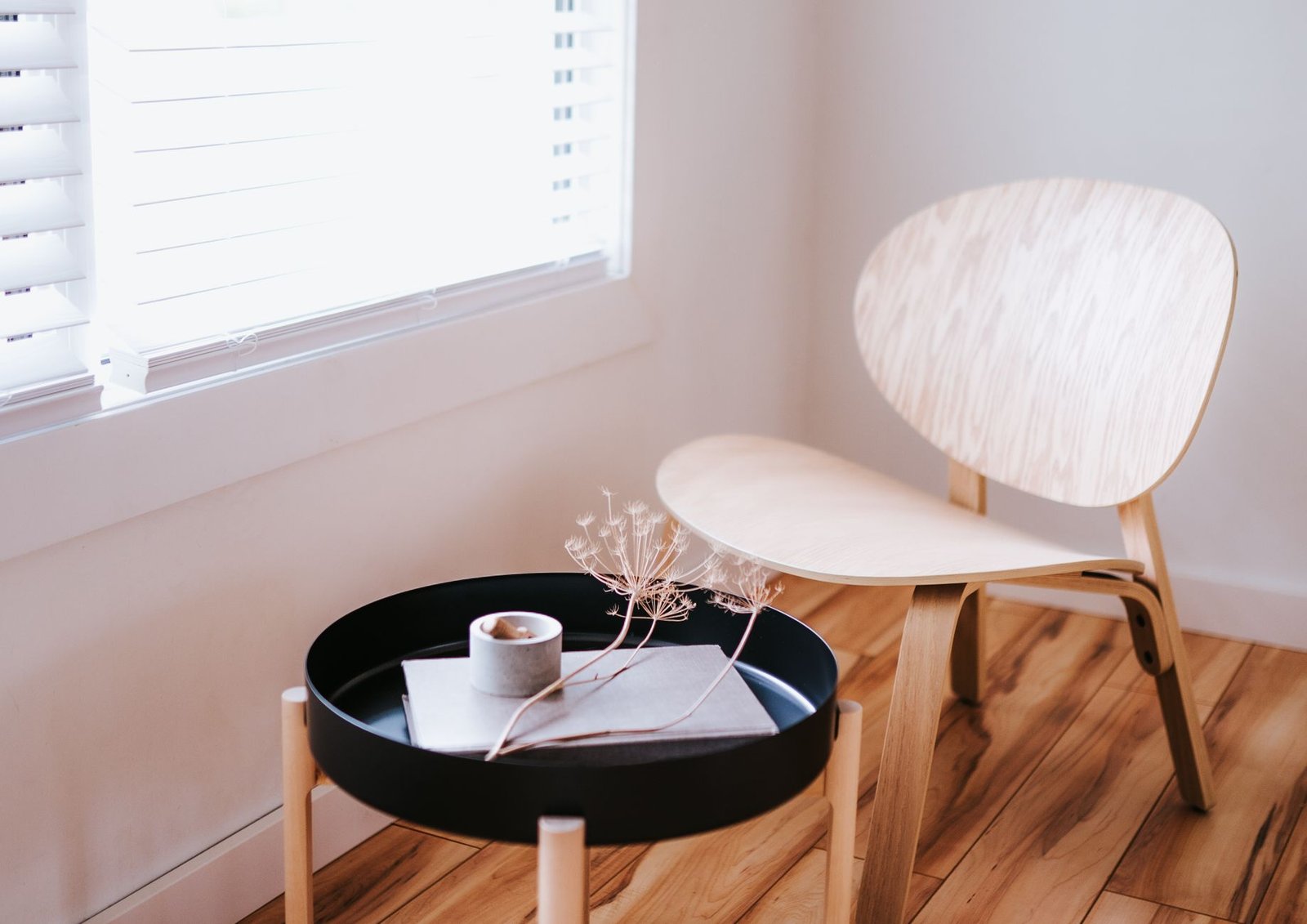
For homeowners contemplating a refresh in 2026, the choice between Minimalist and Japandi interior design aesthetics presents a compelling decision, each offering distinct pathways to serene and functional living. This article explores the core principles, aesthetics, and practical applications of both styles, providing comprehensive insights to assist the resident in determining which best aligns with their lifestyle and vision for a modern home.
Understanding Minimalist Design Principles
Minimalism, a design philosophy rooted in the principle of “less is more,” prioritizes functionality, clean lines, and an uncluttered environment. Originating from architectural movements in the mid-20th century, its appeal endures in 2026 as homeowners seek tranquility amidst digital saturation and the rapid pace of modern life.
Core Philosophy and Aesthetics
- Decluttering: Emphasizes removing all non-essential items, fostering a sense of visual calm.
- Form Follows Function: Every object serves a clear purpose, eschewing extraneous ornamentation.
- Clean Lines: Simple, geometric shapes dominate furniture and architectural elements, creating a streamlined look.
- Open Spaces: Promotes a sense of spaciousness and airiness, enhancing flow and light.
Color Palette and Lighting
The Minimalist palette traditionally revolves around neutral tones: whites, greys, and blacks. In 2026, subtle shifts include warmer off-whites, muted greiges, and sophisticated charcoals, often accented with very deliberate, single pops of desaturated earthy tones or deep jewel hues. Natural light is paramount, enhanced by sheer window treatments or none at all, while artificial lighting is often recessed or features minimalist fixtures that blend seamlessly into the architecture, often with adjustable color temperatures for various moods.
Furniture and Decor
Minimalist furniture is typically low-profile, multi-functional, and sculptural in its simplicity. Materials often include polished concrete, stainless steel, glass, and smooth, light-colored woods. Decor is sparse, with emphasis placed on a few carefully curated pieces that serve as focal points, such as a striking piece of abstract art or a single, elegantly crafted ceramic vase.
Materiality in 2026 Minimalism
Contemporary Minimalism embraces advanced materials. Expect to see surfaces utilizing self-cleaning nano-coatings for ease of maintenance, ultra-durable sintered stone for countertops and flooring, and innovative composites that mimic natural textures while offering enhanced performance. Sustainable choices, such as recycled glass countertops, bio-based plastics for discreet storage solutions, and low-VOC paints, are increasingly common, ensuring a clean aesthetic aligns with ecological responsibility. The integration of acoustic panels made from recycled PET felt also enhances comfort discreetly.
Embracing Japandi Aesthetics
Japandi, a harmonious blend of Japanese minimalism and Scandinavian functionality, has steadily gained prominence, offering a design language that celebrates craftsmanship, natural materials, and serene living. It represents a 2026 evolution in design, balancing starkness with warmth and a profound connection to nature.
Fusing East and West
This hybrid style marries the rustic comfort of Scandinavian ‘hygge’ (coziness and well-being) with the elegant simplicity of Japanese ‘wabi-sabi’ (the acceptance of imperfection) and ‘mono no aware’ (an empathy toward things). The result is an aesthetic that is both functional and soulful, refined yet inherently inviting.
Key Characteristics
- Natural Materials: Abundant use of wood, bamboo, rattan, ceramics, and linen, celebrating their organic beauty.
- Muted Color Palettes: Warmer neutrals, earthy tones, and subtle natural greens, creating a calm and grounding atmosphere.
- Craftsmanship: Appreciation for handcrafted items, bespoke furniture, and the subtle imperfections that tell a story.
- Functionality with Warmth: Clean lines are softened by tactile textures and comfortable textiles, prioritizing human comfort.
- Biophilic Elements: A strong connection to nature through indoor plants, natural light, and views of the outdoors.
Color Palette and Lighting
Japandi’s palette is softer than traditional Minimalism. It features warmer whites, light greys, and muted beiges, complemented by deeper tones of charcoal, indigo, sage green, and terra cotta. Lighting is often diffused, with fixtures made from natural materials like paper, wood, or ceramic, creating a gentle and inviting ambiance. Strategically placed natural light enhances the sense of tranquility, often filtered through sheer linen or rice paper screens.
Furniture and Decor
Furniture in Japandi spaces is typically low-slung, ergonomic, and built from natural wood—often light-toned Scandinavian varieties (e.g., birch, ash) or darker, more rustic Japanese timbers (e.g., oak, walnut). Handcrafted pottery, woven textiles (linen, wool, jute), and carefully selected indoor plants are integral to the decor. Imperfections in natural materials are celebrated, adding character and authenticity to each piece.
Materiality in 2026 Japandi
For 2026, Japandi continues to champion authenticity. Innovative applications include sustainably harvested woods like bamboo and cork, along with advanced textiles made from recycled or rapidly renewable fibers such as Tencel or hemp. Ceramic surfaces might incorporate recycled clay, and natural finishes are often enhanced with low-VOC, durable sealants that protect without altering aesthetic. The integration of biophilic design elements, such as smart indoor gardens with integrated irrigation and lighting, becomes more sophisticated, blending seamlessly into the living environment.
2026 Trends and Material Innovations in Both Styles
The design landscape of 2026 sees both Minimalist and Japandi styles evolving with key trends and material advancements that emphasize sustainability, technological integration, and occupant well-being, pushing boundaries while respecting core tenets.
Sustainability and Circular Design
Both aesthetics increasingly prioritize circular design principles. This means materials are chosen not only for their beauty and durability but also for their end-of-life potential—recycled content, recyclability, or biodegradability. Low-impact manufacturing processes are favored, reducing carbon footprints. Homeowners are actively seeking furniture and finishes that are not only aesthetically pleasing but also ethically sourced and environmentally responsible, reflecting a global shift towards conscious consumption.
Smart Home Integration (Seamless & Subtle)
In 2026, smart home technology is integrated almost invisibly. Minimalist spaces might feature voice-controlled climate systems, intelligent lighting networks that adjust to natural light levels, and automated window treatments, all hidden from view behind flush panels or within architectural details. Japandi homes incorporate smart air purification and automated natural ventilation systems, often disguised within handcrafted wooden panels or integrated into living walls. The technology enhances comfort and efficiency without disrupting the serene aesthetic.
Advanced Materials and Wellness
Material science continues to offer innovations that support health and longevity in both design philosophies. These include:
- Acoustic Panels: Fabricated from recycled plastics or natural fibers, providing superior sound dampening without aesthetic compromise.
- Air-Purifying Surfaces: Walls and textiles treated with photocatalytic coatings that actively neutralize airborne pollutants and allergens.
- Biometric Integration: Subtle sensors in furniture or flooring that monitor environmental comfort levels and adjust parameters like humidity or temperature automatically.
- Heated & Cooled Surfaces: Integrated into flooring or furniture for personalized thermal comfort, reducing reliance on conventional, energy-intensive HVAC systems.
- Light-Filtering Glass: Dynamic glass that adjusts opacity to manage glare and heat gain, optimizing natural light while maintaining privacy.
Choosing the Right Aesthetic for the Homeowner
The decision between Minimalist and Japandi depends significantly on the individual’s priorities, lifestyle, and how they envision their living space supporting their daily routines and emotional well-being.
Lifestyle Compatibility and Personal Expression
For the resident who thrives on absolute order, appreciates stark precision, and possesses a strong discipline for decluttering, pure Minimalism may be the ideal choice. It speaks to a desire for mental clarity and an environment free from visual noise, promoting a focused and uncluttered lifestyle. This aesthetic often appeals to those who view their home as a sanctuary of calm and structured efficiency.
Conversely, the homeowner seeking a tranquil space that also offers warmth, tactile comfort, and a celebration of natural elements might gravitate towards Japandi. This style accommodates a subtle appreciation for texture, a few cherished objects with a story, and a deeper connection to nature without sacrificing cleanliness. It suits those who find beauty in quiet imperfections and prefer an inviting, organically rich atmosphere over a purely utilitarian one.
Space Considerations and Functional Needs
Both styles excel in maximizing space, but their approaches differ. Minimalism often employs built-in storage and multi-functional, often hidden, furniture to achieve its uncluttered look, making smaller spaces feel larger and more expansive. Japandi also values efficiency but might integrate more visible, handcrafted storage solutions or open shelving with carefully displayed, functional items that contribute to the overall aesthetic.
Future-Proofing for 2026 and Beyond
Both aesthetics are inherently timeless due to their focus on quality, natural materials, and thoughtful design. Minimalist homes are easily updated with changing technology or subtle shifts in accent colors, offering a robust, adaptable canvas. Japandi’s emphasis on natural elements and craftsmanship ensures its enduring appeal, offering a robust foundation that can evolve gracefully over time with new textile patterns or artisan pieces, providing lasting value and beauty.
Ultimately, the right aesthetic for a 2026 home hinges on the resident’s emotional response to their environment. Both Minimalist and Japandi offer pathways to a serene, functional, and beautiful living space, enhanced by the sustainable and technologically advanced materials available today. By carefully considering personal preferences for order, warmth, and connection to nature, the homeowner can select a style that truly resonates with their vision for domestic comfort and long-term satisfaction.