
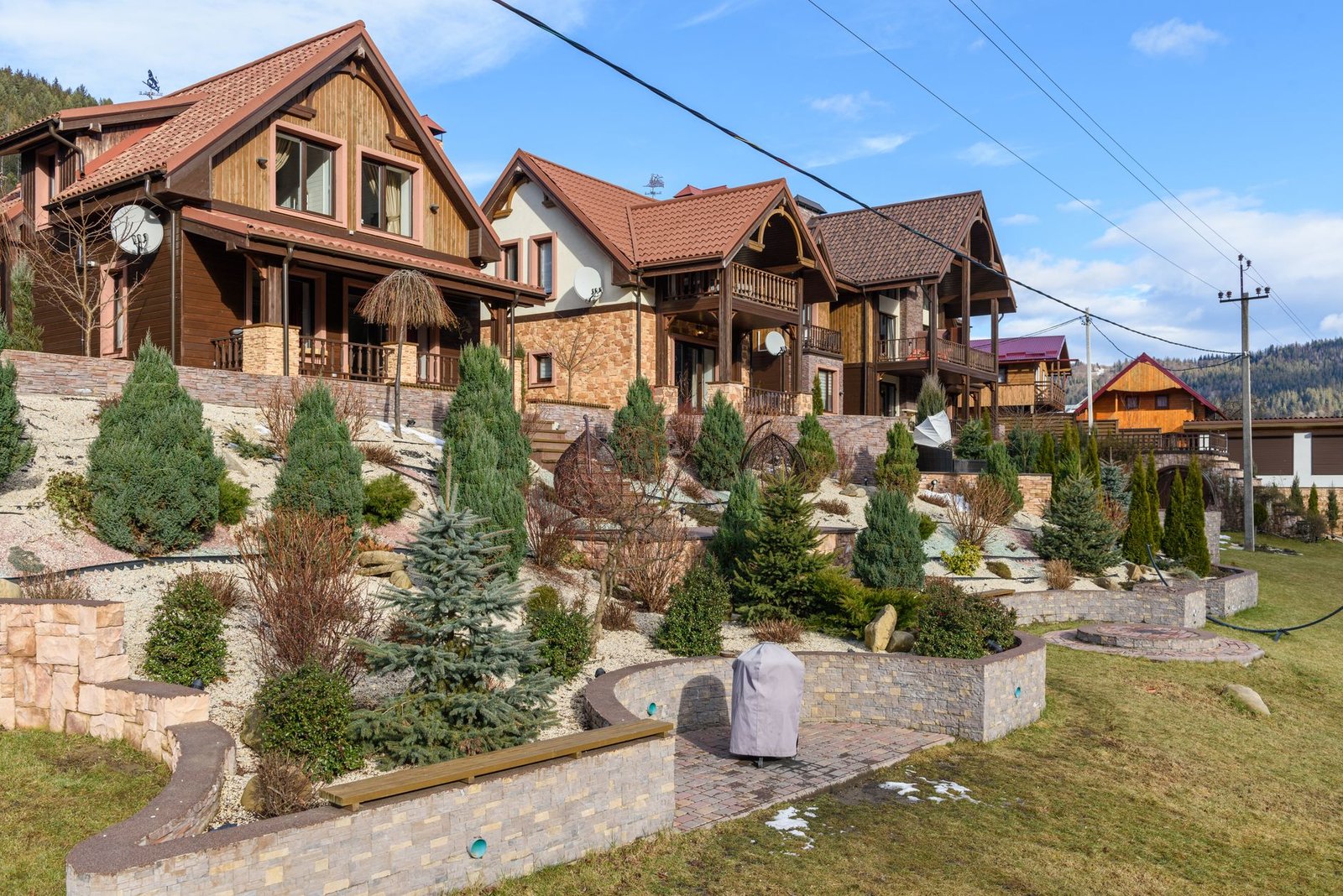
Identifying the single ‘best’ native tree for small suburban yards in 2026 involves assessing multiple factors including ecological benefit, aesthetic appeal, and adaptability to modern landscape challenges. While regional variations exist, species like the Serviceberry (Amelanchier spp.) consistently emerge as top contenders due to their compact growth, multi-season interest, and crucial support for local ecosystems. The optimal choice, however, often depends on specific site conditions and the homeowner’s desired aesthetic and maintenance commitment.
The landscape of 2026 presents unique considerations for tree selection. With an increasing emphasis on sustainable living and biodiversity, native trees are no longer just a preference but a foundational element of responsible landscaping. Advancements in horticultural science and smart landscape technology further refine the criteria for selecting resilient, low-maintenance species perfectly suited for smaller footprints.
The Evolving Suburban Landscape of 2026
Suburban planning in 2026 places a premium on green infrastructure that integrates seamlessly with compact living. Homeowners and developers alike are prioritizing plant selections that offer significant environmental returns without demanding excessive space or resources. This paradigm shift directly influences the demand for native trees.
Smart Green Infrastructure & Biodiversity
By 2026, the adoption of smart irrigation systems, often integrated with AI-driven weather prediction and soil moisture sensors, has become commonplace. These technologies significantly reduce water waste and ensure optimal hydration for establishing and maintaining native trees. Furthermore, the understanding of native trees’ role in supporting local pollinators, birds, and beneficial insects has deepened, leading to a strong preference for species that provide food and habitat. New zoning regulations in many suburban areas encourage or even mandate native plantings, driving innovation in nursery stock.
Advanced Horticultural Solutions
Modern material developments in 2026 include innovative bio-stimulants and soil amendments designed to enhance root growth and improve soil health, particularly in disturbed urban soils. Drought-resistant cultivars of popular native species are also more readily available, a direct response to changing climate patterns. These advancements allow for more successful establishment and greater resilience for native trees in varied suburban environments, making previously challenging sites viable for robust native plantings.
Top Native Tree Selections for Small Yards
Considering growth habit, ecological value, and low-maintenance attributes, several native tree species stand out as exceptional choices for small suburban yards in 2026.
Serviceberry (Amelanchier spp.)
- Growth Habit: Typically grows as a multi-stemmed shrub or small tree, reaching 15-25 feet tall and wide. Its open, airy canopy allows for underplanting.
- Environmental Benefits: Offers delicate white flowers in early spring, a vital nectar source for early pollinators. Edible, dark purple berries are highly prized by birds and wildlife in early summer. Provides brilliant fall foliage in shades of orange and red.
- Low-Maintenance Care: Adaptable to a range of soil types once established, tolerates partial shade to full sun. Generally pest and disease resistant, especially newer cultivars bred for improved resilience.
- 2026 Relevance: Its multi-seasonal interest and ability to support biodiversity in compact spaces make it a cornerstone of modern ecological landscaping. New cultivars boast enhanced disease resistance and more compact forms.
Eastern Redbud (Cercis canadensis)
- Growth Habit: A small, often multi-stemmed tree growing 20-30 feet tall with a similar spread. Its picturesque, spreading habit creates a beautiful focal point.
- Environmental Benefits: Dazzling purple-pink flowers emerge directly on branches in early spring, a critical food source for early emerging bees. Its heart-shaped leaves provide subtle beauty throughout the summer.
- Low-Maintenance Care: Prefers well-drained soil and tolerates a variety of pH levels. Requires minimal pruning once established, primarily for shape or removal of crossing branches.
- 2026 Relevance: Its early floral display is increasingly valued as urban heat islands expand; careful selection of local ecotypes or improved cultivars ensures maximum adaptability. Its modest size aligns perfectly with smaller lot requirements.
Sweetbay Magnolia (Magnolia virginiana)
- Growth Habit: Can be grown as a large shrub or a small, slender tree, typically 10-20 feet tall, sometimes taller in ideal conditions. It can be deciduous, semi-evergreen, or evergreen depending on the climate zone.
- Environmental Benefits: Produces fragrant, creamy-white flowers from late spring into summer, attracting various pollinators. The small red fruit provides food for birds. Its leaves are a host plant for Swallowtail butterfly larvae.
- Low-Maintenance Care: Thrives in moist, acidic soils and can tolerate wet conditions, making it suitable for rain gardens or areas with poor drainage. Relatively few pest or disease problems.
- 2026 Relevance: Its adaptability to moist conditions and year-round interest in warmer climates make it an excellent choice for mitigating stormwater runoff, a growing concern in 2026 suburban planning.
American Fringe Tree (Chionanthus virginicus)
- Growth Habit: A deciduous small tree or large shrub, typically growing 10-20 feet tall and wide. It has an elegant, open branching structure.
- Environmental Benefits: Features delicate, fragrant white fringe-like flowers in late spring to early summer, attracting numerous pollinators. Small, dark blue fruits follow, consumed by birds. Provides subtle yellow fall color.
- Low-Maintenance Care: Adaptable to various soil types, prefers full sun to partial shade. Known for its strong disease and pest resistance, making it an exceptionally low-effort tree.
- 2026 Relevance: Its unique aesthetic and exceptional hardiness align with the demand for resilient and distinctive native plants that require minimal intervention, freeing up the resident’s time and resources.
Nurturing Native Trees: 2026 Care & Maintenance
The successful establishment and long-term health of native trees in suburban yards depend on mindful care practices, especially with the advanced tools available in 2026.
Precision Watering and Nutrition
The integration of smart irrigation controllers with hyper-local weather data and soil moisture sensors allows for optimal watering schedules, ensuring young trees receive exactly what they need without waste. For mature trees, this technology prevents overwatering or drought stress. For nutrition, specialized slow-release native tree fertilizers and bio-stimulants, often delivered via subsurface drippers or root feeders, provide targeted nutrient delivery, minimizing runoff and maximizing uptake.
Integrated Pest and Disease Management
In 2026, Integrated Pest Management (IPM) strategies for native trees are highly refined. This involves utilizing advanced diagnostic tools, such as handheld spectroscopic devices for early detection of nutrient deficiencies or pest infestations, before widespread damage occurs. Emphasis is placed on biological controls, fostering beneficial insect populations, and using highly targeted, eco-friendly treatments when necessary. Choosing resistant cultivars from reputable native nurseries is the first line of defense against common issues.
Ultimately, selecting the ‘best’ native tree for a small suburban yard in 2026 is an informed decision that balances ecological responsibility with aesthetic preference and modern horticultural advancements. By choosing resilient native species and leveraging contemporary care technologies, homeowners can contribute significantly to local biodiversity while enhancing their living spaces with natural beauty and environmental sustainability.