
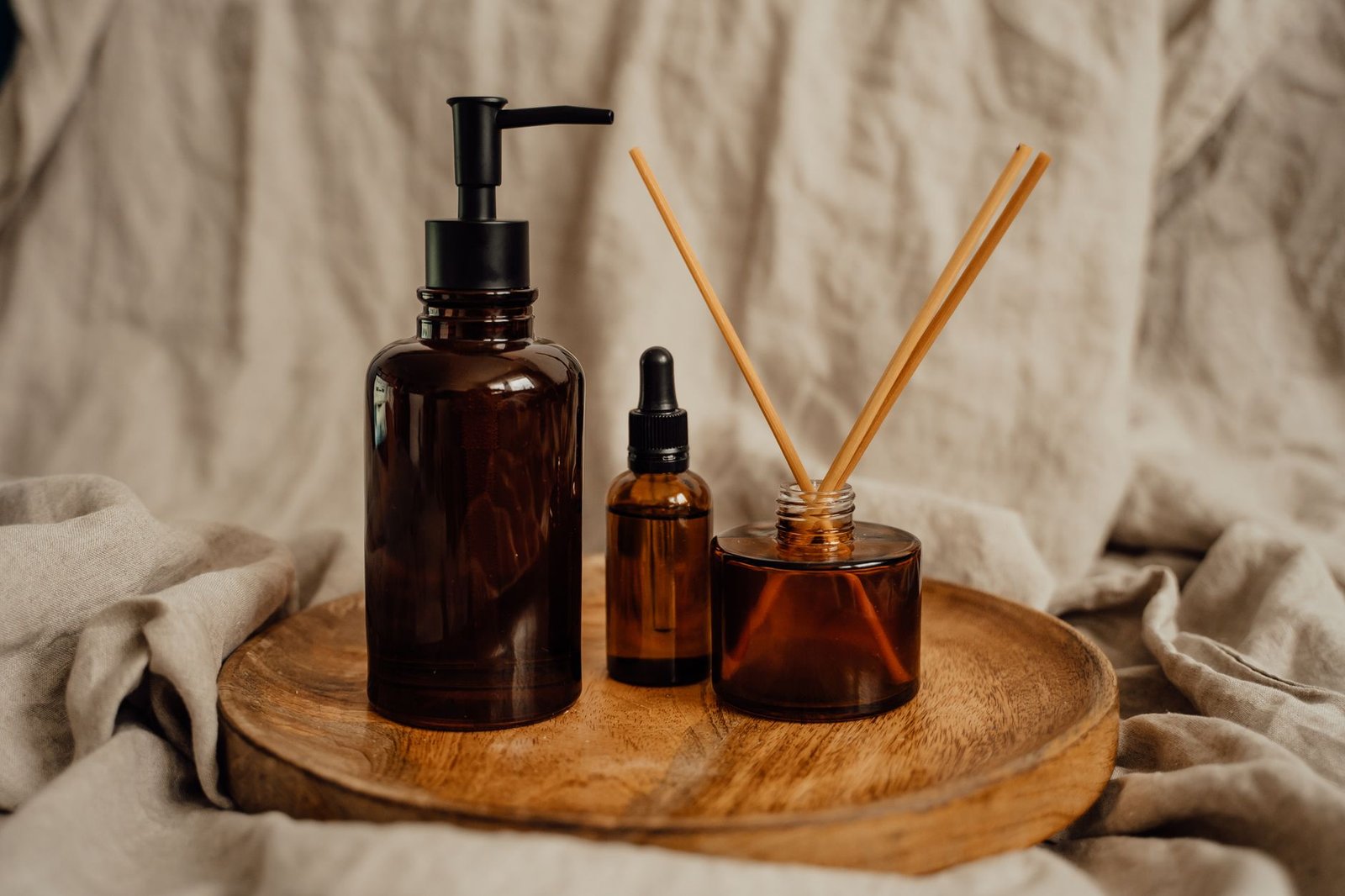
The quest for a pleasant indoor ambiance often leads to a choice between essential oil diffusers and scented candles. In 2026, as awareness of indoor air quality intensifies, residents frequently question which option presents the healthier alternative. The answer is not absolute; rather, it hinges significantly on product composition, usage protocols, and the existing ventilation within the dwelling. A thorough evaluation of ingredients and diffusion methods is crucial for mitigating potential airborne contaminants and making informed decisions regarding residential air purity.
Understanding Scented Candles and Indoor Air Quality
Scented candles have long been staples for creating atmosphere, but their impact on indoor air quality is a growing concern. The combustion process itself can release various substances into the air, making ingredient selection paramount.
Compositional Considerations and Combustion Byproducts
- Wax Type: Traditional paraffin wax, derived from petroleum, is known to release volatile organic compounds (VOCs) such as toluene and benzene, along with particulate matter (soot), upon burning. In contrast, modern developments in 2026 favor plant-based waxes like soy, beeswax, and advanced coconut-apricot blends. While generally cleaner-burning, these alternatives are not entirely emission-free and still produce some particulate matter, albeit at significantly lower levels.
- Wicks: Historically, lead-core wicks were a concern, but lead-free cotton wicks are now standard. However, poorly trimmed wicks can still lead to incomplete combustion, resulting in increased soot and carbon monoxide emissions. Smart wick technology in 2026 includes self-trimming designs and materials engineered for consistent, clean burn.
- Fragrance Oils: Many scented candles rely on synthetic fragrance oils, which can contain phthalates – chemicals linked to endocrine disruption – and other allergens. The 2026 industry trend emphasizes “clean fragrance” standards, committing to formulations free from phthalates, parabens, and other known irritants. Manufacturers are increasingly transparent, providing detailed ingredient lists to empower the homeowner.
Optimal Usage and Ventilation
Even with high-quality candles, usage practices significantly influence air quality. Burning candles in poorly ventilated spaces allows pollutants to accumulate. Intermittent use, typically no more than two to four hours at a time, and ensuring adequate airflow by opening windows or using exhaust fans, can greatly reduce exposure to combustion byproducts. Proper wick trimming to about a quarter-inch before each burn is essential for minimizing soot production.
Exploring Essential Oil Diffusers and Their Air Impact
Essential oil diffusers are often perceived as a natural and healthier alternative for home scenting. However, their safety profile also depends heavily on the type of diffuser, the quality of the essential oils, and responsible usage.
Diffusion Methods and Their Effects
- Ultrasonic Diffusers: These popular devices use water and ultrasonic vibrations to create a fine mist of water and essential oil. While avoiding heat, the addition of water introduces a potential for microbial growth if the diffuser is not regularly cleaned. The emitted mist contains fine particulate matter, which can be inhaled.
- Nebulizing Diffusers: Considered by many in 2026 to be the purest form of diffusion, nebulizers disperse concentrated, undiluted essential oil into the air without heat or water. This method delivers a potent aroma but also releases a higher concentration of oil particles, which can be overwhelming or irritating for sensitive individuals or pets if used excessively.
- Heat Diffusers: These devices use gentle heat to evaporate essential oils. While less intense than nebulizers, heat can alter the chemical composition of some delicate essential oils, potentially diminishing their aromatic properties or even creating new compounds.
- Evaporative Diffusers: Using a fan to blow air across a pad soaked with essential oils, this method offers a more subtle scent but is generally less efficient in dispersing the oil’s full aromatic profile.
Essential Oil Quality, Sourcing, and Concentration
- Purity and Adulteration: The market is flooded with essential oils, and not all are created equal. Adulterated oils, cut with synthetic fragrances, carrier oils, or other chemicals, negate the natural benefits and can introduce undesirable airborne compounds. Residents should seek third-party tested, 100% pure essential oils, with certifications for purity and origin, a practice becoming more streamlined in 2026 through blockchain verification.
- Sourcing and Sustainability: Ethical and sustainable sourcing practices are increasingly important. Homeowners are encouraged to support brands that transparently provide information on their plant cultivation, harvesting, and distillation processes, ensuring both purity and environmental responsibility.
- Concentration and Exposure: Over-diffusion of essential oils, especially in confined spaces, can lead to respiratory irritation, headaches, and allergic reactions. The homeowner should adhere to recommended dilution ratios (if using ultrasonic diffusers) and practice intermittent diffusion, perhaps 30 minutes on, 60 minutes off, to prevent over-saturation of the air.
2026 Trends, Innovations, and Best Practices for Home Scenting
The home wellness sector in 2026 is driven by technological advancements and a deeper understanding of environmental health, offering smarter and safer options for residential scenting.
Material Science and Manufacturing Innovations
- Advanced Candle Formulations: Manufacturers are perfecting truly non-toxic, next-generation plant-based waxes, such as refined coconut-apricot blends, engineered for extended, clean burn times and minimal particulate release. Sustainable packaging, including 3D-printed ceramic containers and refillable systems, reduces waste and enhances aesthetic appeal. “Clean Fragrance” is transitioning from a marketing term to an industry standard, with independent verification for absence of harmful chemicals.
- Smart Diffuser Technology: The market is seeing a surge in smart diffusers equipped with integrated air quality sensors (VOC, PM2.5). These devices can automatically adjust diffusion intensity based on real-time air quality metrics and room size, or even shut off if air quality deteriorates. Some advanced models incorporate micro-filtration systems to ensure only pure essential oil vapor is released, free from any potential waterborne impurities.
- Verifiable Sourcing: For essential oils, blockchain technology is increasingly being adopted to provide transparent, farm-to-bottle traceability, assuring the consumer of product authenticity, purity, and ethical sourcing.
User Behavior and Smart Home Integration
The integration of scenting devices into broader smart home ecosystems allows for unprecedented control and optimization. Residents can schedule diffusion times, monitor usage, and receive alerts about air quality, making mindful use effortless. There is also a growing emphasis on complementary air purification methods, such as the strategic placement of air-purifying houseplants, alongside scenting choices.
Evolving Regulatory Landscape
Government agencies and consumer advocacy groups are pushing for more stringent regulations on ingredient disclosure for both candles and essential oils. This transparency helps homeowners make genuinely informed decisions, moving beyond vague “natural” claims to specific chemical compositions.
Making the Healthier Choice for Residential Comfort
Ultimately, the decision between essential oils and scented candles for residential air quality in 2026 boils down to informed selection and responsible habits. Neither option is inherently perfect, but both can be utilized safely with proper precautions.
Key Considerations for the Homeowner
- Prioritize Ventilation: Regardless of the chosen method, ensuring adequate airflow is the single most critical step for maintaining healthy indoor air. Regular air exchange minimizes the accumulation of any airborne compounds.
- Ingredient Scrutiny and Certification: For candles, seek products explicitly labeled “clean fragrance,” made with plant-based waxes, and equipped with lead-free wicks. For essential oils, demand third-party purity testing, organic certifications, and transparent sourcing. Scrutinize all labels for full ingredient disclosure.
- Mindful and Intermittent Usage: Avoid prolonged burning of candles or continuous diffusion of essential oils. Short, intentional bursts of scent are generally sufficient and healthier. Implement timed usage with smart devices for optimal control.
- Awareness of Sensitivity: Consider all household occupants, including children, elderly individuals, and pets, who may be more sensitive to airborne chemicals or concentrated essential oils. Certain oils are contraindicated for pets or pregnant individuals.
- Hybrid Approaches and Passive Scenting: For continuous, subtle scent without combustion or diffusion, passive methods like high-quality reed diffusers or potpourri with pure essential oils can be effective. Integrating air-purifying plants further enhances indoor air quality.
In conclusion, while scented candles have made significant strides in cleaner formulations by 2026, essential oil diffusers generally offer a more controlled release of natural compounds, assuming the oils are pure and used responsibly. The “safer” option is thus the one chosen with diligence, awareness, and a commitment to practices that uphold residential air quality.