
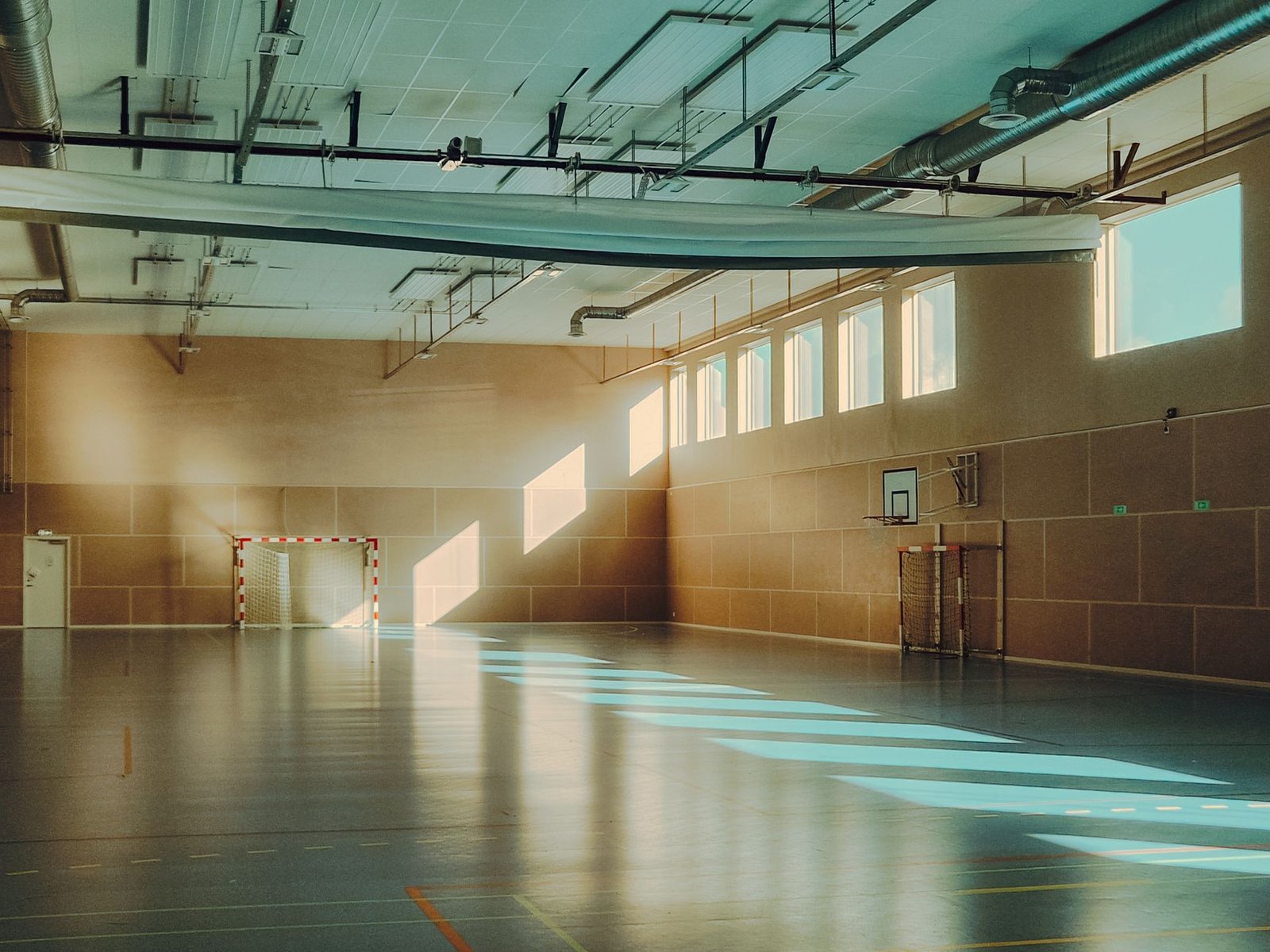
A stale odor in a home gym can significantly detract from the workout experience, impacting motivation and overall well-being. This common issue, often resulting from accumulated perspiration, microbial growth, and trapped humidity, requires a proactive and comprehensive approach. By integrating five advanced odor-eliminating solutions tailored for 2026, homeowners can ensure a consistently fresh, invigorating, and healthy environment for physical activity. The following strategies leverage modern technology, material science, and smart maintenance practices to effectively neutralize unwanted smells and maintain optimal air quality.
Proactive Ventilation and Air Purification Systems
Effective air circulation is the cornerstone of preventing stale odors. For 2026, relying solely on open windows is often insufficient; an integrated ventilation and air purification strategy is paramount. Advanced HVAC systems can be augmented with specialized components designed for high-humidity, high-activity areas.
- Smart HVAC Integration: Modern home automation allows for smart ventilation systems that can detect occupancy or air quality degradation and automatically activate exhaust fans or increase air exchange rates. These systems can be programmed to run during and after workout sessions, ensuring a constant influx of fresh air.
- HEPA and Activated Carbon Filtration: Beyond standard filters, incorporating High-Efficiency Particulate Air (HEPA) filters captures airborne allergens and dust, while activated carbon filters are crucial for absorbing volatile organic compounds (VOCs) and molecular odors that regular filters miss. Regular replacement, typically every 3-6 months depending on usage, is essential for optimal performance.
- UV-C Germicidal Lamps: As an emerging trend, integrating UV-C germicidal lamps within the HVAC ductwork can neutralize airborne bacteria, viruses, and mold spores that contribute to stale smells. This technology provides an extra layer of sanitation, particularly beneficial in enclosed workout spaces.
- Energy Recovery Ventilators (ERVs): For climate-controlled gyms, ERVs efficiently exchange stale indoor air with fresh outdoor air while simultaneously transferring heat and humidity. This preserves indoor temperature and humidity levels, reducing energy consumption while maintaining superior air quality.
Proper placement of exhaust and intake vents, coupled with a regular maintenance schedule for all filtration components, ensures maximum efficacy in preventing odor buildup.
Advanced Material Selection for Odor Resistance
The materials chosen for a home gym’s construction and furnishings play a significant role in odor retention. Modern material science offers robust solutions for 2026 to create surfaces that actively resist microbial growth and odor absorption.
- Non-Porous Flooring: Traditional porous flooring can trap sweat and bacteria. High-density, non-porous rubber flooring with sealed seams, or engineered cork treated with moisture-resistant sealants, are ideal choices. These materials are easy to clean and resist the absorption of odor-causing liquids.
- Antimicrobial Wall Finishes: Low-VOC paints infused with antimicrobial agents, such as silver or copper ions, are becoming standard. These finishes actively inhibit the growth of bacteria and mold on wall surfaces, preventing a common source of musty odors. Similarly, specialized gym wall coverings can offer durable, wipeable, and odor-resistant properties.
- Equipment with Antimicrobial Surfaces: When selecting new equipment, homeowners should consider pieces featuring antimicrobial coatings on handles, seats, and contact points. These innovations help mitigate the transfer and growth of bacteria that contribute to unpleasant smells.
- Moisture-Wicking and Quick-Drying Textiles: For towels, upholstery, and accessory storage, opting for fabrics that are moisture-wicking and quick-drying is crucial. Materials like bamboo, merino wool blends, or advanced synthetics minimize the time moisture sits on surfaces, thereby reducing bacterial proliferation.
Investing in these advanced materials upfront can significantly reduce future odor challenges and simplify long-term maintenance.
Smart Cleaning Protocols and Bio-Enzymatic Solutions
Even with advanced ventilation and materials, consistent cleaning remains critical. The evolution of cleaning products and smart devices offers enhanced effectiveness for 2026 home gyms.
- Bio-Enzymatic Cleaners: Unlike traditional cleaners that merely mask odors, bio-enzymatic formulations contain specialized enzymes that break down odor-causing organic matter at a molecular level. These are highly effective for cleaning equipment, floors, and other surfaces where sweat and skin cells accumulate. Consistent application prevents the buildup of these odor sources.
- Automated Cleaning Devices: Robotic floor cleaners equipped with wet mopping capabilities can be scheduled for daily post-workout cleaning. These devices ensure that floors are regularly sanitized, preventing the setting in of odors that often permeate gym mats and flooring.
- Microfiber Technology: Utilizing high-quality microfiber cloths for wiping down surfaces and equipment is superior to traditional rags. Microfiber’s electrostatic properties and increased surface area effectively capture dust, grime, and bacteria, minimizing residue that can harbor odors.
- Immediate Post-Workout Protocol: A disciplined approach to wiping down all equipment immediately after use is paramount. Providing residents with easily accessible, non-toxic cleaning wipes or sprays encourages this vital habit.
- Smart Diffusers and Therapeutic Essential Oils: For a pleasant ambiance, smart diffusers can release pure, therapeutic-grade essential oils (e.g., eucalyptus, tea tree, lemon) at scheduled intervals. These oils not only offer a fresh scent but possess natural antimicrobial properties, contributing to a healthier air profile without simply masking odors with artificial fragrances.
Integrating these smart cleaning protocols ensures a consistently sanitary and fresh environment.
Strategic Humidity Control and Dehumidification
High humidity is a primary catalyst for mold growth and bacterial proliferation, both significant contributors to stale and musty odors. Maintaining optimal humidity levels is non-negotiable for a fresh home gym in 2026.
- Smart Hygrometers: These devices provide precise, real-time readings of ambient humidity, often integrating with home automation systems. Monitoring allows the homeowner to take action before humidity levels become problematic. An ideal range for a home gym is typically between 40-50% relative humidity.
- IoT-Enabled Dehumidifiers: Modern dehumidifiers can be connected to smart home networks, allowing for remote monitoring and control. They can automatically activate when humidity exceeds a set threshold, efficiently removing excess moisture from the air. Selecting models with built-in air filtration further enhances air quality.
- Proper Air Circulation: Even with dehumidification, consistent air circulation helps prevent pockets of stagnant, humid air. Strategically placed fans (ceiling or oscillating) can aid in moving air, supporting the dehumidifier’s efforts.
- Mold-Resistant Building Materials: When constructing or renovating a home gym, specifying mold-resistant drywall, insulation, and paints provides an additional layer of protection against moisture-related odors. These materials are designed to inhibit fungal growth even in persistently damp conditions.
By proactively managing humidity, the resident minimizes the environment for odor-causing microbes to thrive, leading to a much fresher space.
Natural and Sustainable Odor Absorption Techniques
Beyond active systems and advanced materials, integrating natural, sustainable odor absorption methods provides a complementary layer of freshness for 2026 home gyms. These eco-friendly solutions help to passively neutralize lingering smells.
- Activated Charcoal and Zeolite: These natural porous materials are highly effective at absorbing odors and airborne impurities. Bamboo charcoal bags, specifically, are a popular sustainable choice. They can be strategically placed in corners, near equipment, or in storage areas. Unlike air fresheners, they absorb rather than mask odors, and many types can be