
Smart Doorbell vs. Smart Camera: 2026 Package Theft Prevention
As package deliveries continue their omnipresent role in modern commerce, the vexing problem of package theft persists, prompting homeowners to seek advanced protective measures. For 2026 security needs, the decision between a smart doorbell and a dedicated smart security camera involves weighing their unique features and deterrence capabilities. While both offer robust video surveillance and smart alerts, the optimal choice hinges on specific monitoring requirements, installation flexibility, and the breadth of coverage desired to effectively combat doorstep piracy.
Understanding the Threat: Package Theft in 2026
Package theft remains a significant concern, evolving with increasingly sophisticated perpetrators. In 2026, advancements in AI and drone delivery technologies mean that security solutions must be equally advanced. The rise of hyper-localized delivery services and increased reliance on e-commerce necessitates a vigilant approach to protecting unattended parcels. Deterrence is paramount, with visual cues of surveillance proving highly effective, supported by prompt alerts and clear video evidence.
Smart Doorbells: Point-of-Entry Vigilance
Smart doorbells have evolved beyond simple entry monitoring devices, becoming formidable first lines of defense against package theft. Their strategic placement at the primary entryway offers direct observation of delivery events and immediate interaction capabilities.
Advanced Detection and AI
Modern smart doorbells in 2026 incorporate highly sophisticated AI algorithms, often processing data at the edge rather than solely in the cloud. This allows for faster, more accurate detection of human figures versus pets or vehicles. Advanced features include package detection alerts, which specifically notify the resident when a parcel is dropped off or moved. Some models can even distinguish between known delivery personnel and suspicious loiterers, enhancing situational awareness.
Two-Way Communication and Deterrence
The inherent two-way audio functionality of smart doorbells is a powerful deterrent. A resident can remotely address an individual approaching a package, often surprising potential thieves and causing them to flee. Pre-recorded messages can also be triggered automatically upon detection, providing a proactive warning. Integrated speakers and microphones utilize advanced noise cancellation, ensuring clear communication even in windy conditions, a benefit augmented by improved acoustic materials.
Integrated Lighting and Siren
Many 2026 smart doorbells feature integrated LED lighting and high-decibel sirens. The lighting can be programmed to activate upon motion detection, illuminating the porch area and potentially startling an intruder. The ability to manually or automatically trigger a loud siren serves as a significant auditory deterrent, drawing attention to the scene and signaling that the property is actively monitored.
Smart Security Cameras: Comprehensive Surveillance
Dedicated smart security cameras offer unparalleled flexibility in placement and coverage, making them ideal for broader perimeter protection and targeting specific theft hotspots beyond the immediate doorstep.
Broader Coverage and Multiple Angles
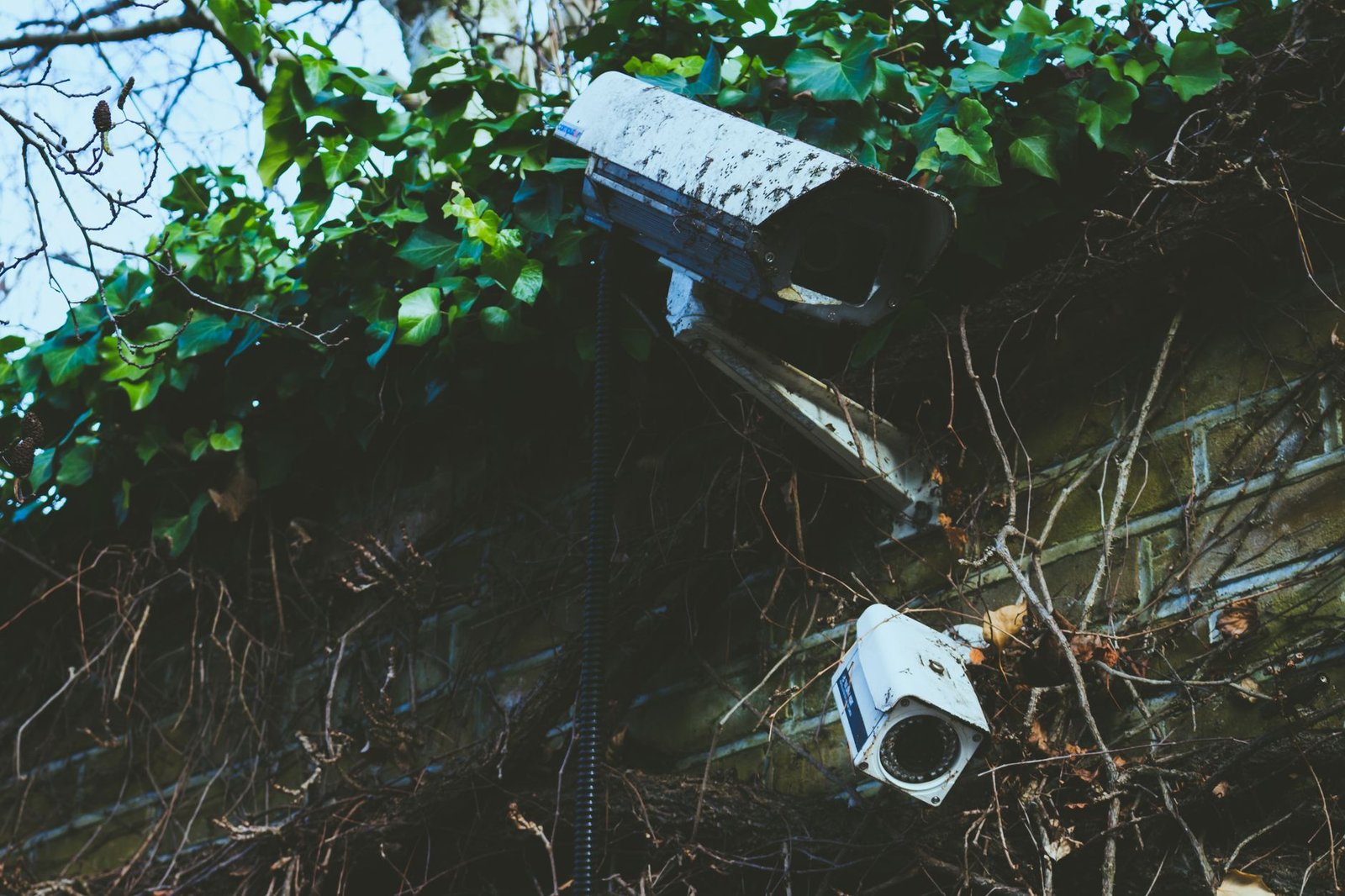
Unlike a fixed doorbell camera, standalone smart security cameras can be strategically positioned to monitor larger areas, such as driveways, side yards, or multiple access points. The ability to deploy several cameras provides a comprehensive, multi-angle view of the property, creating a robust surveillance network. This wider field of view is crucial for observing approach and escape routes, often missed by a doorbell’s limited perspective.
Advanced AI Analytics and Deterrence
Similar to doorbells, 2026 smart security cameras boast cutting-edge AI. However, their often higher processing power allows for even more granular analytics, including facial recognition (with appropriate privacy considerations), advanced object tracking, and even predictive analysis based on movement patterns. Some systems can identify specific vehicles or alert to unusual congregation of individuals near the property. High-resolution sensors, often 4K or even 8K, coupled with enhanced low-light performance (e.g., Starlight or Color Night Vision with IR-Cut filters), ensure crystal-clear footage for identification.
Flexible Placement and Power Options
The versatility of smart security cameras is a significant advantage. They can be battery-powered for wire-free installation, hardwired for continuous power, or increasingly, powered by integrated solar panels constructed from advanced, durable photovoltaic materials for sustainable operation. This flexibility allows for optimal positioning to target known package drop-off areas or blind spots, ensuring maximum effectiveness against theft. The evolving Matter standard facilitates seamless integration regardless of manufacturer, simplifying multi-device setups.
Making the Optimal Choice: Factors to Consider
When selecting between these two powerful security tools, homeowners should evaluate several key factors to align the chosen solution with their specific needs and property layout.
Budget and Installation Complexity
The initial investment and installation requirements vary. Smart doorbells generally have a simpler installation process, often replacing an existing wired doorbell. Dedicated security cameras, especially those requiring wiring or multiple units, might entail a more complex setup or professional installation, impacting the overall cost. However, advances in wireless and solar-powered cameras have significantly reduced this barrier for many models.
Coverage Area Required
For properties where package delivery occurs solely at the front door and comprehensive perimeter surveillance is not a primary concern, a high-quality smart doorbell may suffice. However, if package deliveries are often left in less visible areas, or if broader protection against property crime is desired, a system incorporating multiple smart security cameras offers superior coverage and peace of mind. Consider the typical delivery spots and potential theft vectors for the property.
Existing Smart Home Infrastructure
The existing smart home ecosystem plays a role in device selection. Seamless integration with current hubs, voice assistants, and other smart devices (e.g., smart locks, lighting) enhances the user experience and overall security posture. Many 2026 devices leverage open standards like Matter, promoting greater interoperability across brands.
Conclusion: A Synergistic Approach for 2026 Security
For combating package theft in 2026, neither the smart doorbell nor the smart security camera is definitively