
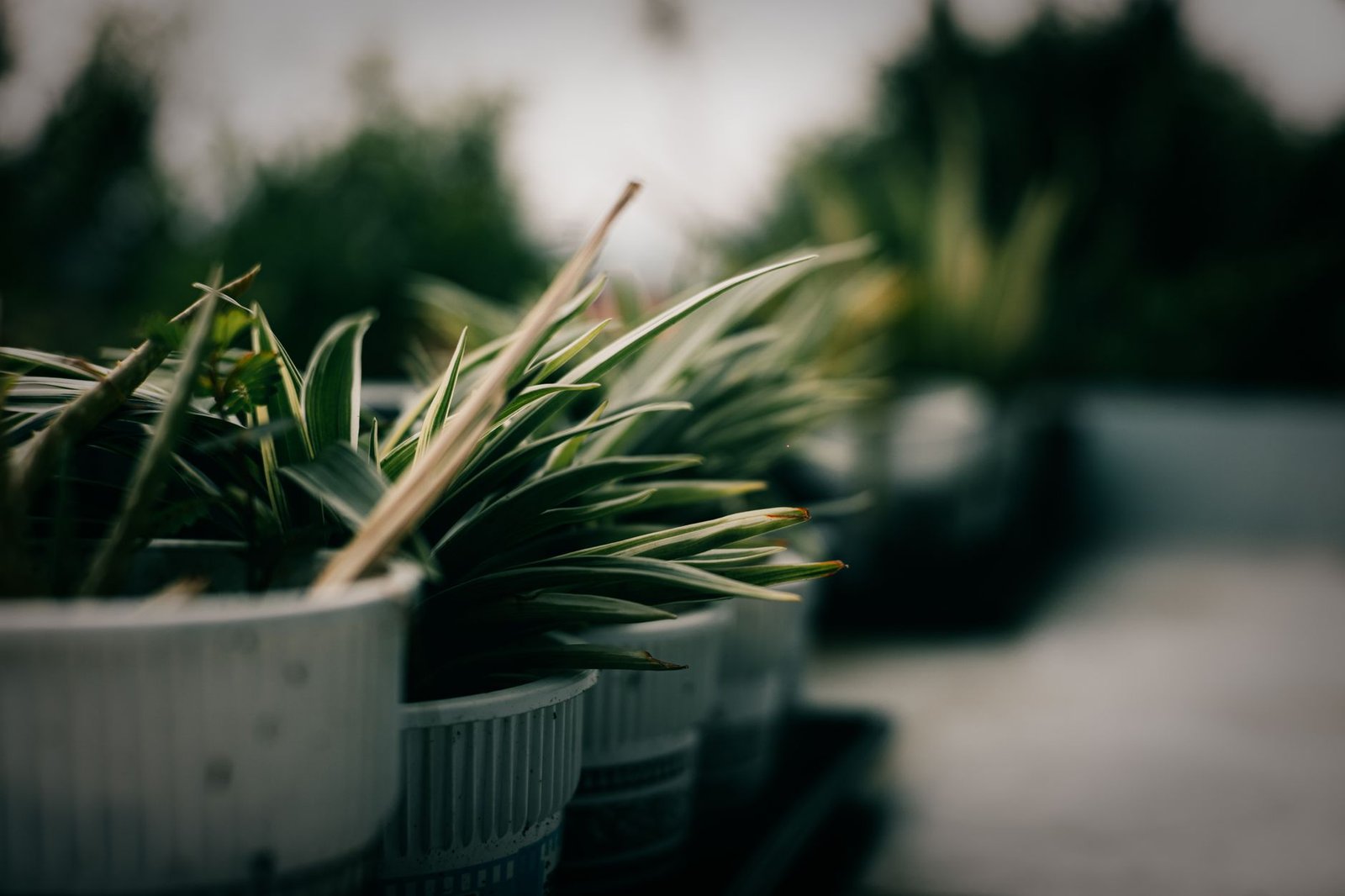
Introduction: Reclaiming Outdoor Comfort in 2026
Mosquitoes can indeed transform a pleasant patio into an uncomfortable battleground, hindering outdoor enjoyment. For homeowners seeking a serene and bite-free exterior, integrating natural plant repellents into their landscape offers an elegant and effective solution. This article explores five highly effective natural plant repellents that can help deter mosquitoes, ensuring outdoor living spaces remain inviting and comfortable throughout 2026.
As an expert in home interior design, landscape architecture, and domestic comfort, Basisblog understands the desire for harmonious outdoor environments. The focus for the upcoming year is on sustainable, integrated solutions that enhance both aesthetics and functionality, moving beyond chemical interventions towards biophilic strategies that benefit the entire ecosystem of the home and garden.
The Ascent of Biophilic Design and Smart Greenery in 2026
The year 2026 marks a continued surge in biophilic design principles, where natural elements are seamlessly integrated into living spaces to improve well-being. Outdoor patios are increasingly viewed as extensions of the home, demanding the same level of comfort and aesthetic consideration. Modern landscape architecture emphasizes sustainable practices, making natural mosquito deterrents a highly favored approach.
Technological advancements also play a role, with self-watering planters crafted from recycled composite materials or biodegradable polymers becoming standard, allowing these repellent plants to thrive with minimal intervention. Smart irrigation systems, integrated into modern patio designs, ensure optimal plant health without excessive water use. These trends underscore a holistic approach to outdoor living, where comfort, sustainability, and aesthetic appeal converge.
Five Natural Plant Repellents for a Serene Patio
Incorporating specific botanicals into patio designs is a proven method for reducing mosquito presence. The following five plants are selected for their repellent properties, ease of care, and aesthetic versatility, making them ideal choices for 2026 landscapes.
Citronella Grass (Cymbopogon nardus)
Perhaps the most renowned natural mosquito repellent, Citronella Grass is a cornerstone for any bite-free outdoor strategy. Its distinctive lemon-like fragrance effectively masks the human scents that attract mosquitoes. This robust perennial thrives in full sun and well-drained soil, growing in attractive clumps that can reach significant sizes. For patio applications, it is best grown in large, decorative containers or integrated into border plantings adjacent to seating areas. Modern landscaping often uses it in raised beds constructed from reclaimed timber or durable, weather-resistant composites, enhancing both its visual impact and repellent reach. Its low maintenance profile makes it a popular choice for homeowners seeking impactful natural solutions.
Lavender (Lavandula angustifolia)
Beyond its iconic soothing aroma and beautiful purple blooms, Lavender is a powerful mosquito deterrent. The plant’s essential oils, found in its leaves and flowers, are unappealing to mosquitoes. This hardy herb prefers full sun and well-drained soil, making it excellent for container planting on patios or as fragrant hedges. For 2026, drought-tolerant varieties of lavender are particularly popular, aligning with sustainable water practices. Its elegant appearance and pleasant fragrance for humans make it a dual-purpose plant, enhancing the sensory experience of an outdoor space while keeping pests at bay. Planting it near entry points or seating zones maximizes its repellent effect.
Marigolds (Tagetes spp.)
Bright and cheerful, Marigolds offer more than just a pop of color; they release a scent that mosquitoes find repulsive. Varieties like French Marigolds (Tagetes patula) and African Marigolds (Tagetes erecta) contain pyrethrum, a compound used in many commercial insect repellents. These annuals are remarkably easy to grow, flourishing in full sun and various soil types. They are perfect for lining patio edges, planting in window boxes, or interspersing within mixed container arrangements. Their vibrant hues add a festive touch, while their repellent properties work tirelessly. For optimal effect, homeowners often plant them densely around outdoor dining and lounge areas.
Peppermint (Mentha piperita)
The invigorating aroma of Peppermint is a delight for humans but a strong deterrent for mosquitoes. The high concentration of menthol in its leaves makes it particularly effective. Peppermint is a vigorous grower and is best contained in pots or hanging baskets to prevent it from spreading aggressively in garden beds. This makes it an ideal candidate for patio placement, where its refreshing scent can be enjoyed up close. Modern ceramic or self-watering fabric planters are excellent choices for cultivating peppermint, offering both functionality and aesthetic appeal. Regular harvesting of leaves can further release its repellent oils, benefiting the resident’s comfort.
Catnip (Nepeta cataria)
Often overlooked, Catnip possesses potent mosquito-repelling properties, with some studies suggesting it can be even more effective than DEET. The compound nepetalactone, responsible for its allure to felines, is precisely what mosquitoes seek to avoid. Catnip is a resilient perennial that prefers full sun to partial shade and well-drained soil. Like peppermint, it can spread quickly, so container planting is highly recommended for patio applications. Placing catnip in strategic locations around seating areas or near outdoor entryways can significantly reduce mosquito intrusions. The homeowner should be mindful of its appeal to local cat populations when choosing its placement.
Optimizing Patio Comfort: Beyond the Plants
While natural plant repellents form the core of a bite-free strategy, an integrated approach yields the best results. For 2026, homeowners are increasingly adopting holistic pest management. This includes eliminating standing water sources, which are prime mosquito breeding grounds. Modern patio designs often incorporate subtle drainage solutions or utilize permeable paving materials to prevent water accumulation.
Furthermore, sustainable outdoor lighting solutions, such as LED fixtures with amber light settings that are less attractive to insects, are trending. Advanced outdoor textiles for cushions and upholstery, featuring quick-dry and mold-resistant properties, contribute to overall patio comfort and cleanliness, minimizing potential habitats for pests. Thoughtful placement of fans can also disrupt mosquito flight patterns, adding another layer of defense without relying on chemicals. By combining these modern considerations with the power of repellent plants, residents can create truly comfortable and enjoyable outdoor sanctuaries.
Conclusion: Embracing a Bite-Free Outdoor Lifestyle in 2026
Creating a mosquito-free patio in 2026 is an achievable goal for every homeowner, seamlessly blending natural beauty with practical comfort. By strategically incorporating plants like Citronella Grass, Lavender, Marigolds, Peppermint, and Catnip, residents can significantly reduce mosquito presence without resorting to harsh chemicals. These botanical solutions not only deter pests but also enhance the aesthetic appeal and overall sensory experience of outdoor living spaces.
Embracing these natural deterrents, alongside smart landscaping practices and modern material choices, empowers homeowners to design outdoor environments that are both beautiful and genuinely comfortable. The pathway to bite-free evenings and undisturbed outdoor enjoyment in 2026 is paved with thoughtful plant selections and a commitment to sustainable, biophilic design.