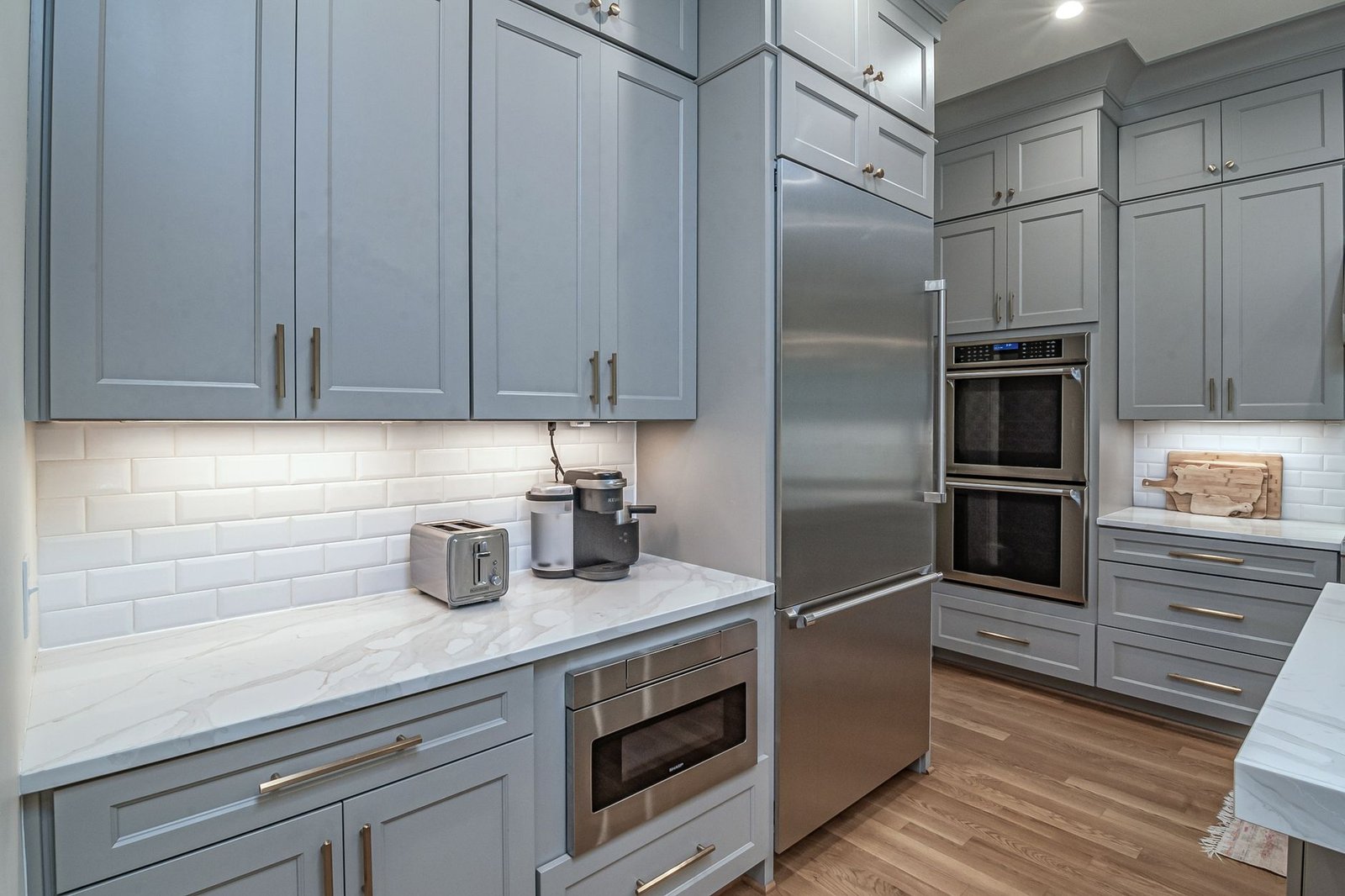
A 2026 kitchen remodel involving custom built-in cabinetry represents a significant investment, reflecting superior craftsmanship and personalized functionality. Homeowners can expect costs to range broadly, typically from $800 to $2,000 per linear foot, or a total project cost for cabinetry alone from $20,000 to upwards of $80,000 for a full kitchen. This wide range accounts for numerous influencing factors, including material choices, design complexity, and regional labor rates. Understanding these variables is crucial for setting realistic financial expectations and making informed decisions for a high-quality, enduring kitchen.
Key Factors Influencing Custom Cabinetry Costs
The investment in custom built-in cabinetry is primarily driven by three core components: the materials selected, the intricacy of the design, and the expertise required for labor and installation. Each element plays a pivotal role in the final project expenditure.
Material Selection and Finishes
Material choice stands as a primary cost driver. Premium hardwoods such as walnut, cherry, and maple command higher prices due to their aesthetic appeal, durability, and availability. For 2026, there is an increasing demand for sustainable alternatives, including reclaimed woods, rapidly renewable bamboo, and advanced engineered wood products incorporating recycled content, which offer both ecological benefits and robust performance. These eco-conscious options may also influence pricing, depending on their sourcing and processing.
Beyond solid wood, modern material developments for 2026 include high-performance laminates and advanced thermofoil finishes. These options replicate the look and feel of natural wood or other premium surfaces at a more accessible price point, often offering enhanced resistance to scratches and moisture. Innovative composite materials, sometimes infused with smart features like integrated lighting conduits, also influence material costing. Furthermore, the chosen finish—be it multi-step lacquers, custom stains, or specialty glazes—adds to the fabrication time and material expense, directly impacting the final cabinet cost.
Design Complexity and Customization
The complexity of the cabinetry design and the level of customization requested significantly impact the overall cost. Simple, straightforward layouts with standard dimensions are inherently less expensive than intricate designs featuring unique angles, curved elements, or highly specialized dimensions to fit unconventional spaces. The style of doors and drawer fronts also contributes; a basic slab door is less costly than complex raised-panel, Shaker, or glass-front designs requiring additional joinery and detailing.
Customized storage solutions, such as pull-out pantries, spice racks, integrated appliance garages, hidden charging drawers, and ergonomic-specific drawer heights, demand meticulous planning and fabrication, adding to design hours and construction complexity. For 2026, the integration of smart storage solutions, such as automated lift systems for upper cabinets or touch-to-open mechanisms, also represents a higher design and hardware cost. Each unique design element necessitates bespoke construction, contributing to increased labor and material waste minimization efforts.
Labor and Installation Expertise
The skill and experience of the craftspeople creating and installing custom cabinetry are reflected in labor costs. Master cabinet makers possess specialized knowledge in joinery, finishing techniques, and precision construction, commanding higher rates than those working with pre-fabricated units. Regional variations in labor costs are also a significant factor, with urban and affluent areas typically having higher hourly rates for skilled trades.
Installation is a critical phase of the project. Custom built-in cabinetry requires meticulous measurement, precise fitting, and often on-site modifications to ensure seamless integration with the existing architecture. The precision necessary for a flawless, level, and plumb installation, especially around irregular walls or floors, is labor-intensive and directly contributes to the overall budget. Specialized hardware and technology integrations also require additional expertise during installation, further influencing labor expenditures.
Understanding 2026 Market Trends and Innovations
The landscape of kitchen design in 2026 is influenced by evolving homeowner preferences, technological advancements, and a strong emphasis on sustainability. These trends shape both the functionality and the cost of custom cabinetry.
Sustainable and Smart Cabinetry Solutions
Sustainability continues to be a driving force in 2026 kitchen design. Manufacturers are increasingly utilizing low-VOC (volatile organic compound) finishes, responsibly harvested timber certified by organizations like the Forest Stewardship Council (FSC), and innovative materials with high recycled content. These eco-friendly choices, while sometimes incurring a premium, appeal to environmentally conscious homeowners and can contribute to healthier indoor air quality.
The concept of ‘smart cabinetry’ is also gaining momentum. This includes subtle integrations such as sensor-activated interior lighting, hidden wireless charging pads embedded within drawer bottoms or countertops, and even climate-controlled pantry sections designed for optimal food storage. Such features enhance convenience and efficiency but require specialized hardware and electrical integration, thereby affecting the total project cost.
Technology Integration and Automation
Beyond basic smart features, 2026 kitchens are witnessing more sophisticated technological integrations into cabinetry. Automated drawer slides and door lift systems, controllable via voice command or smartphone apps, offer enhanced accessibility and convenience. Integrated display screens, discreetly built into cabinet panels for recipe viewing or schedule management, are becoming more common. Advanced organizational systems that leverage digital inventory tracking for pantry items represent another frontier. These technological enhancements, while offering unparalleled functionality, involve complex hardware, wiring, and programming, directly contributing to the custom cabinetry budget.
Demand and Supply Dynamics
Economic conditions, including inflation and the availability of skilled labor, continue to impact pricing in 2026. A sustained demand for high-quality custom work, coupled with a limited pool of highly specialized artisans, can drive up labor rates. Supply chain efficiencies, or conversely, global disruptions, also play a significant role in the cost and availability of premium materials and specialized hardware. Homeowners should be aware that market volatility can influence quotes and project timelines.
Maximizing Value in Custom Cabinetry Investment
While custom built-in cabinetry represents a substantial upfront investment, strategic planning and an understanding of its long-term benefits can help homeowners maximize its value.
Strategic Planning and Budgeting
Early engagement with experienced designers and cabinet makers is paramount. This allows for thorough discussions regarding material options, design implications, and potential cost-saving strategies without compromising quality. Homeowners should prioritize their needs versus wants, establishing a clear budget and communicating it effectively to their design team. Obtaining multiple detailed quotes from reputable custom cabinet providers is always advisable to compare specifications and pricing comprehensively. Allocating a contingency fund of 10-15% of the total project cost is a prudent measure to cover unforeseen elements or desired upgrades during the renovation process.
The Long-Term Benefits
Custom cabinetry is more than just a functional component; it is a significant long-term investment that enhances both the aesthetic and practical value of a home. Its superior durability, precisely tailored functionality, and timeless design contribute to an elevated living experience and often provide a strong return on investment. Unlike mass-produced alternatives, custom pieces are built to exact specifications, utilizing robust construction methods that ensure longevity, frequently outlasting standard cabinetry. The personalized storage solutions significantly improve kitchen workflow, organization, and overall ergonomic efficiency, making daily tasks more enjoyable and less cumbersome for the resident.
In conclusion, the cost of custom built-in cabinetry for a 2026 kitchen remodel is influenced by a nuanced interplay of material choices, design complexity, and expert labor. While the initial investment is substantial, it delivers unparalleled quality, personalized functionality, and seamless aesthetic integration that standard options cannot match. By understanding these contributing factors and considering modern trends such as sustainability and smart technology, homeowners can make informed decisions, ensuring their kitchen remodel is a wise and rewarding enhancement to their living space for years to come.