
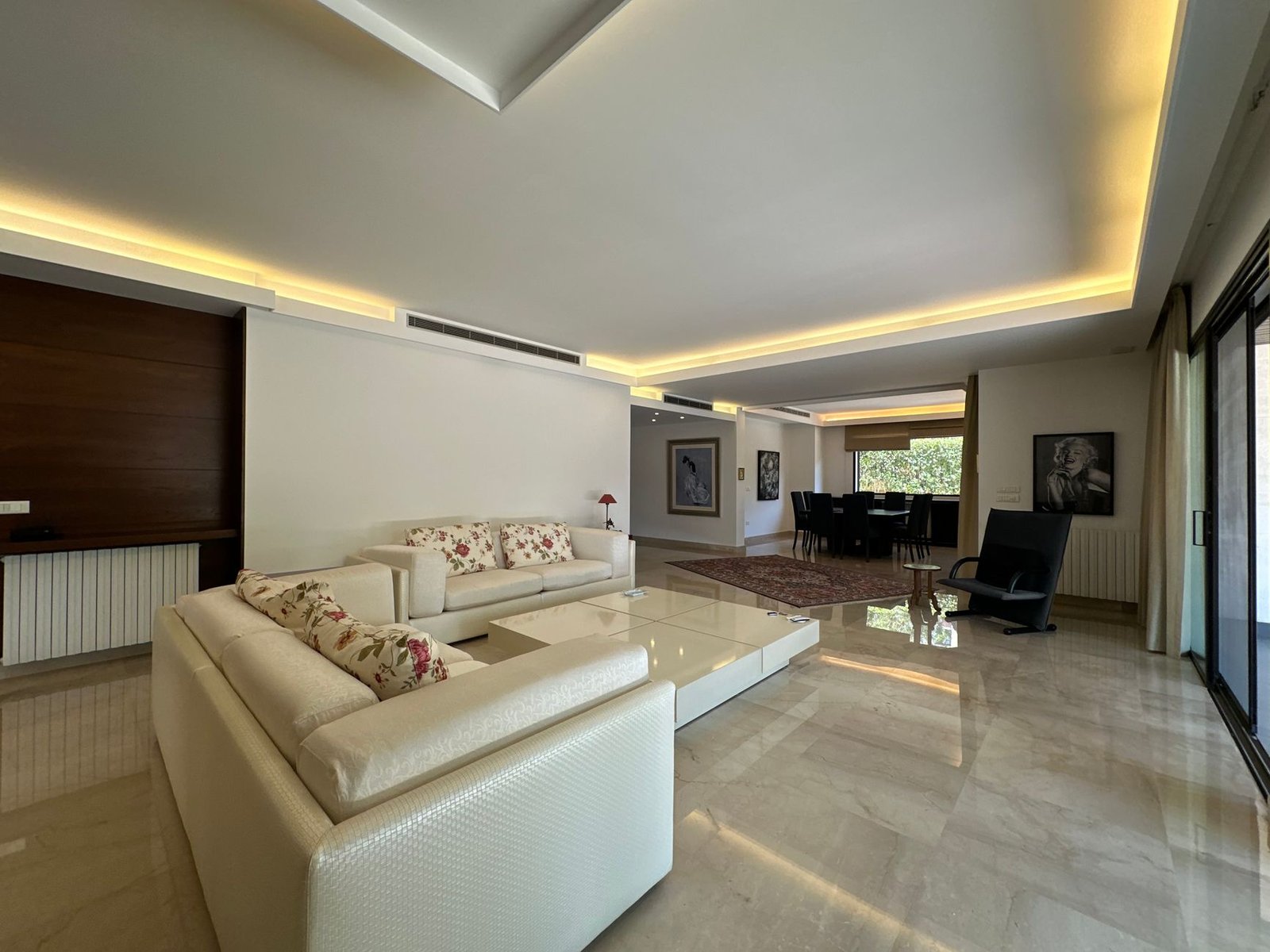
In the evolving landscape of home design, selecting ideal lighting is paramount for atmosphere and functionality. As 2026 unfolds, homeowners weigh recessed against track lighting for living rooms. The ‘better’ option fundamentally hinges on aesthetic preferences, functional demands, and desired adaptability, with both offering distinct advantages.
Understanding Recessed Lighting in 2026
Recessed lighting maintains its position as a cornerstone of minimalist interior design. In 2026, its appeal stems from providing virtually invisible illumination, preserving a clean, uncluttered ceiling. Modern developments focus on enhanced energy efficiency, superior light quality, and seamless smart home integration.
The Evolution of Recessed Fixtures
The latest generation features advanced LED arrays, delivering exceptional lumen output with minimal consumption. Residents now access tunable white technology, allowing dynamic adjustments from warm to cool, supporting circadian rhythm strategies. RGBW capabilities are also increasingly common, enabling dramatic atmospheric changes.
Aesthetic Refinements and Installation
A significant 2026 trend is trimless recessed fixtures. These are meticulously installed to create a smooth, uninterrupted ceiling where only the light aperture is visible, eliminating the trim ring. Achieved through plaster-in kits, this architectural integration offers an ultra-modern finish, reinforcing recessed lighting’s role in creating polished environments.
Exploring Track Lighting for Modern Spaces in 2026
Track lighting has transformed into a sophisticated, versatile option for modern living rooms, ideal for dynamic illumination in spaces requiring adaptable solutions.
Modern Track Systems and Fixture Innovations
Current track lighting systems prioritize sleek profiles, often featuring low-voltage magnetic tracks for surface-mounted, recessed, or suspended installations. These magnetic systems are a significant innovation, allowing homeowners to effortlessly add, remove, and reposition various light fixtures along the track without requiring professional electrical work after initial setup. This ease of customization is a major draw for evolving living room layouts.
Fixture options have diversified dramatically. Beyond traditional spot heads, modern track systems support miniature linear lights, decorative pendants, and smart light modules. Material trends lean towards anodized aluminum and matte finishes, offering a refined aesthetic. The ability to mix and match fixture types on a single track allows for highly personalized and layered lighting designs.
Versatility and Design Statements
Track lighting’s core strength lies in directing light precisely where needed, making it ideal for highlighting architectural features, illuminating artwork, or providing task lighting for reading areas. It allows for a more active, visible role in the room’s design, becoming an intentional design element. Residents can adjust beam angles and positions to adapt to new furniture arrangements or display new art, ensuring optimal illumination at all times.
Aesthetics: Seamless Integration vs. Dynamic Presence
The aesthetic impact of lighting is profound, shaping the perceived size, mood, and style of a living space. Recessed and track lighting offer distinctly different visual narratives.
Recessed Lighting: The Unseen Architect
Recessed lighting excels when the goal is a pure, uncluttered ceiling. The absence of visible fixtures creates an illusion of greater height and an open, airy atmosphere. For those seeking a minimalist, Scandinavian, or ultra-modern aesthetic, recessed fixtures allow the architecture and interior furnishings to be the stars, with light playing a supportive, ethereal role. The quality of light itself—its color, intensity, and beam spread—becomes the primary design element.
Track Lighting: The Adaptable Design Element
Conversely, track lighting makes a deliberate statement. It reinforces an industrial-chic, contemporary, or eclectic style. Modern track systems, with their refined finishes and slim profiles, are designed to be seen, serving as a linear design element that adds architectural interest. The ability to visually “compose” the lighting with different fixture types and arrangements offers creative expression unmatched by recessed lighting. For homeowners appreciating dynamic visual elements and an active role for their lighting fixtures, track systems offer significant aesthetic advantages.
Functionality and Flexibility: Targeted Illumination
Beyond aesthetics, the practical application of light—its functionality and flexibility—is a crucial differentiator between these two systems.
Recessed Lighting’s Controlled Functionality
Recessed lighting provides excellent general ambient illumination when correctly spaced. With various beam angles, it effectively creates task lighting over seating areas or wall washing to highlight textures. However, once installed, fixture positions are fixed. While smart controls allow intensity and color adjustments, light direction is static. This necessitates careful planning during design to ensure optimal placement for all anticipated uses. Layered lighting, combining ambient washes with narrower beam accents, is the most effective approach.
Track Lighting’s Dynamic Adaptability
Track lighting’s greatest functional advantage is its unparalleled adaptability. Individual fixtures can be moved, rotated, and aimed precisely to illuminate specific objects, artworks, or seating arrangements. This is invaluable for homeowners with evolving living room layouts or frequently updated art collections. The ease of repositioning and adding new fixtures to magnetic tracks means the lighting scheme can evolve with resident needs without invasive renovations. This flexibility makes track lighting powerful for accentuating features or creating reconfigurable task zones.
Installation and Cost Considerations for 2026
The decision also involves practical considerations regarding installation complexity and overall investment.
Recessed Lighting Installation and Cost
Installing recessed lighting typically involves more intricate electrical work. Each fixture requires individual wiring and a ceiling cutout, which can be labor-intensive, particularly in existing homes. For new construction, costs might be integrated; retrofitting can incur significant labor expenses. Fixtures vary in price based on trim style (e.g., trimless options), IC rating, and smart home capabilities. While upfront installation can be higher, the clean aesthetic is often a worthwhile investment.
Track Lighting Installation and Cost
Track lighting generally offers a more straightforward installation. A single power feed can energize an entire track run, simplifying wiring compared to multiple individual recessed fixtures. The track mounts to the ceiling, then individual light heads attach and position easily. This makes track lighting appealing for minor renovations or adding lighting to existing rooms without extensive ceiling work. Modern magnetic track systems, while potentially having a slightly higher initial track cost, offer long-term savings and flexibility by making future fixture changes tool-free. Both systems, due to widespread LED adoption, offer comparable energy efficiency long-term, reducing operational costs.
Making the Optimal Choice for the Modern Living Room
Ultimately, the superior lighting solution for a modern living room in 2026 is a tailored decision based on specific aspirations.
When Recessed Lighting Excels
Recessed lighting is ideal for homeowners prioritizing a clean, uncluttered aesthetic, uniform ambient illumination, and seamless architectural integration. It suits minimalist designs, creating a serene, spacious feel, and is perfect for stable furniture layouts. Its subtle, yet powerful, illumination without visible fixtures is its strongest attribute.
When Track Lighting Shines
Track lighting is preferred for residents requiring maximum flexibility, wishing to highlight specific features or artworks, or with dynamic living room layouts. It allows lighting to be a visible, adaptable design element, contributing to contemporary or industrial aesthetics. Its ease of adjustment and reconfigurability makes it practical for evolving display needs.
The Power of Hybrid Solutions
For many modern living rooms, the most effective strategy in 2026 involves a combination. Recessed lighting provides foundational ambient light. Track lighting then adds task and accent illumination, drawing attention to focal points or reading nooks. This hybrid approach leverages both systems’ strengths, creating a sophisticated, versatile, and beautifully illuminated space that adapts to every need and mood.