
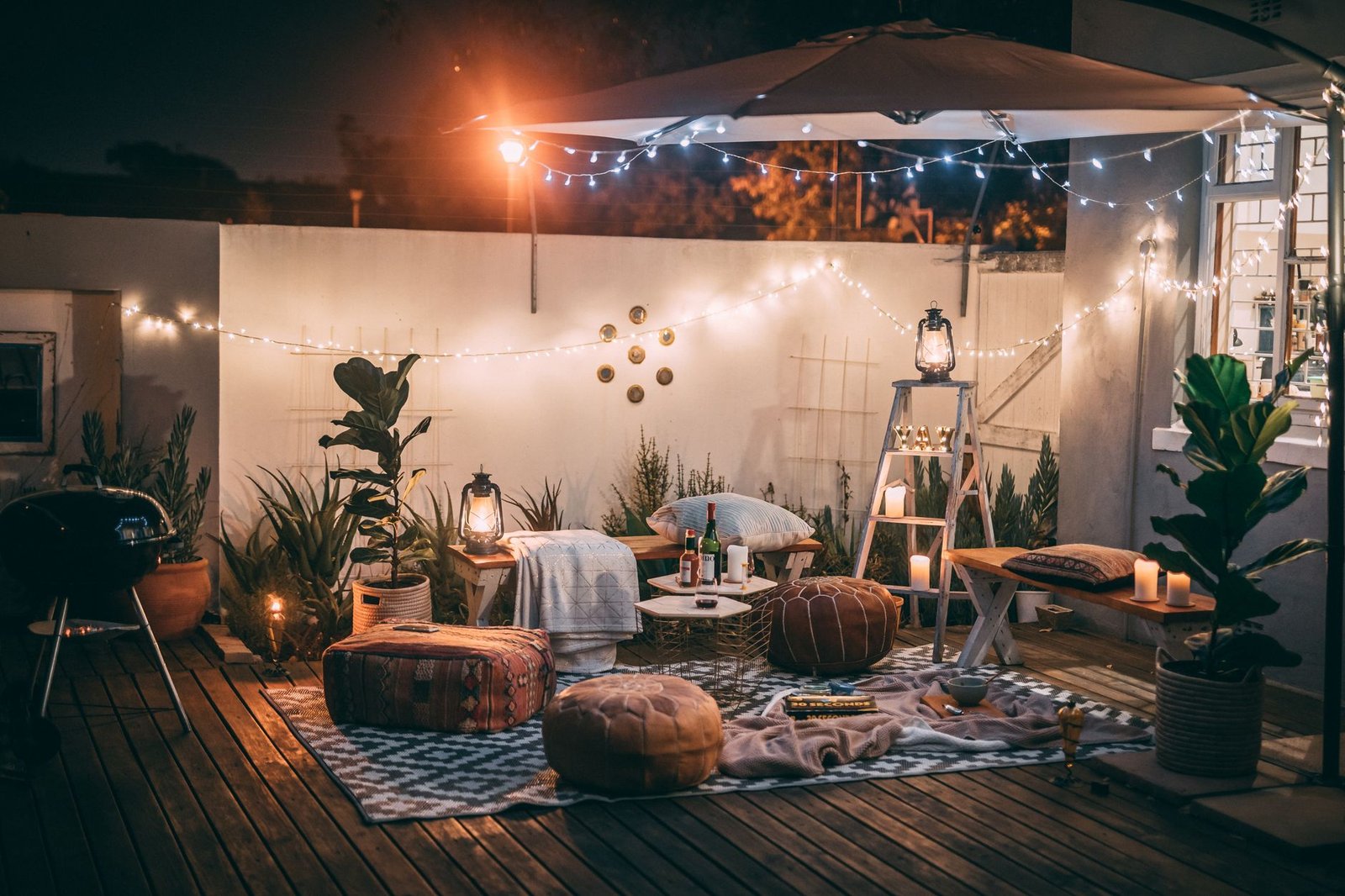
Ensuring outdoor living spaces remain comfortable and enjoyable is a top priority for homeowners, especially as the presence of mosquitoes can significantly detract from patio enjoyment. In 2026, combating these persistent pests requires a blend of traditional vigilance and cutting-edge solutions. The good news is that numerous practical and easy-to-implement strategies exist to significantly reduce mosquito populations around outdoor living areas, ensuring that residents can fully embrace their carefully curated external environments.
The Imperative of Mosquito Control in 2026
As climate patterns continue to shift and outdoor living gains prominence in home design, the challenge of mosquito management becomes increasingly critical. Beyond mere annoyance, mosquitoes pose public health concerns, necessitating proactive and effective control measures. Modern homeowners seek integrated pest management strategies that are both efficient and environmentally conscious, aligning with the growing trend towards sustainable domestic practices and smart home ecosystems.
The year 2026 brings with it advancements in material science, smart home integration, and a deeper understanding of pest behavior, offering residents more sophisticated tools than ever before to reclaim their patios. From innovative landscaping techniques to intelligent gear, the focus is on creating multi-layered defenses that work synergistically.
Seven Advanced Strategies for Mosquito-Free Patios
1. Eradicating Breeding Grounds with Smart Solutions
The most fundamental and effective strategy against mosquitoes remains the elimination of standing water, which serves as their primary breeding ground. In 2026, this extends beyond simple vigilance to incorporating smart solutions. Regularly inspect and empty bird baths, pet water bowls, and plant saucers. For larger features, consider self-draining planter designs and permeable paving materials for walkways and patios that allow water to filter through rather than collect on the surface. Automated irrigation systems should be programmed to avoid overwatering, preventing water accumulation in low-lying areas. Inspect gutters and downspouts to ensure they are clear and properly angled to drain water away from the residence.
2. Leveraging Biorepellent Landscaping
Strategic planting can create a natural barrier against mosquitoes, enhancing the aesthetic appeal of an outdoor space while providing practical pest deterrence. Plants known for their mosquito-repelling properties, such as advanced cultivars of citronella grass, lavender, marigolds, catnip, and basil, can be integrated into patio perimeters or potted arrangements. The key is strategic placement, positioning these plants where air circulation can carry their natural deterrent compounds. Landscape architects in 2026 often recommend creating layered plantings that combine these species for maximum effect, blending beauty with functionality.
3. Fortifying Outdoor Spaces with Modern Barriers
Physical barriers remain one of the most reliable methods to keep mosquitoes out. For 2026, this includes a range of advanced options for patio enclosures. Retractable screen systems, often integrated into smart pergola designs, offer on-demand protection without compromising the open-air feel when not needed. Modern mesh materials, engineered for durability and improved airflow, provide effective exclusion while maintaining visibility. For more permanent structures, high-quality screening solutions that are UV-resistant and pet-friendly are readily available, creating screened-in porches or patio rooms that are truly mosquito-proof havens.
4. Deploying Next-Gen Repellent Technology
Technological advancements offer increasingly sophisticated ways to deter mosquitoes. Scent-based diffusers using natural, eco-friendly essential oils are becoming more prevalent, often controllable via smart home systems. Advanced Thermacell devices, known for creating a zone of protection, continue to evolve with longer-lasting refills and integrated smart features. For some residents, targeted misting systems employing botanical-based insecticides offer an automated solution for larger areas, with formulations becoming increasingly refined for safety and effectiveness. While the efficacy of ultrasonic repellents is still debated, some users report success, and next-generation designs are often more discreet and powerful.
5. Implementing Targeted Professional Pest Management
For properties with persistent or severe mosquito challenges, professional pest management services offer highly effective solutions. In 2026, these services often emphasize Integrated Pest Management (IPM) strategies, focusing on targeted treatments that minimize environmental impact. Eco-conscious treatments, utilizing biopesticides or growth regulators that specifically target mosquito larvae, are increasingly available. For larger estates or properties with difficult-to-access areas, drone technology is emerging as a method for precise and efficient application of larvicides or adulticides, ensuring comprehensive coverage with minimal disruption.
6. Optimizing Outdoor Lighting for Pest Deterrence
Lighting choices can significantly impact mosquito presence. Standard incandescent lights, with their broader spectrum of light, tend to attract more insects. In contrast, warm-spectrum LED lighting, particularly those with a yellow or orange tint, are far less attractive to mosquitoes. Homeowners in 2026 are integrating smart lighting systems that automatically adjust color temperature and brightness based on time of day or even insect activity. Architectural lighting designs are also leaning towards indirect or downward-facing fixtures, further reducing the overall insect draw to outdoor living spaces.
7. Enhancing Airflow with Strategic Fan Placement
Mosquitoes are weak fliers and struggle in even moderate air currents. Installing outdoor ceiling fans or high-velocity oscillating fans on patios can create a deterrent effect. Strategic placement ensures that air circulates across seating areas, making it difficult for mosquitoes to land and bite. Beyond pest control, fans also contribute to comfort on warm days, adding to the overall enjoyment of the outdoor space. Modern outdoor fans are designed for durability and aesthetics, seamlessly blending into various design styles while providing a practical solution.
The Future of Patio Comfort: Integrated Approaches
Achieving a truly mosquito-free patio in 2026 involves adopting a multi-pronged strategy. No single method provides a complete solution, but by combining several of these easy-to-implement techniques, homeowners can create a robust defense system. Integrating smart home technology allows for automated control of lighting, fans, and even some repellent devices, simplifying the management process. By proactively addressing potential breeding grounds, incorporating natural deterrents, and leveraging modern technology, the resident can ensure their patio remains a sanctuary for relaxation and entertainment throughout the year.