
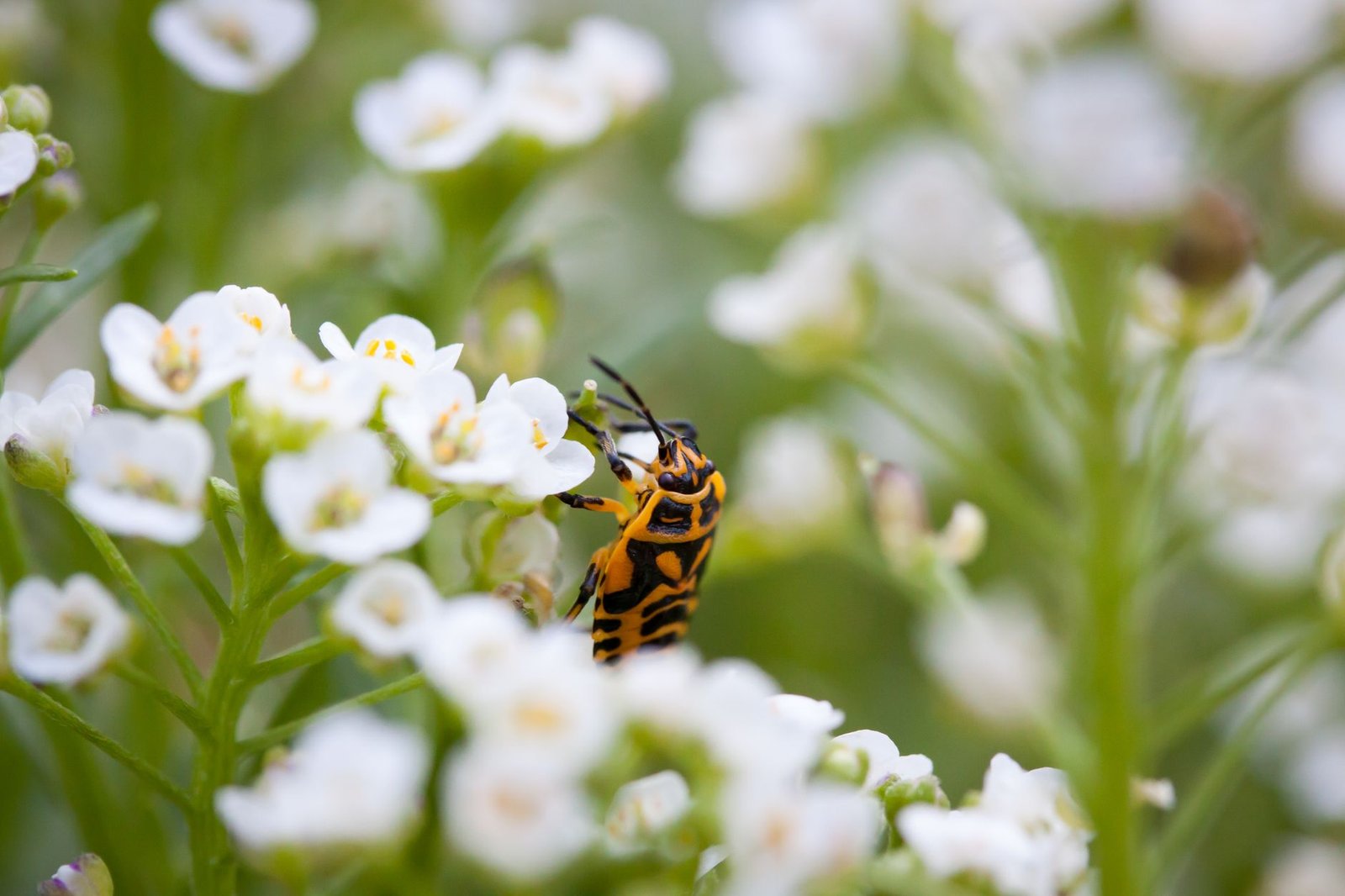
Attracting pollinators and beneficial insects naturally is a cornerstone of cultivating a thriving garden ecosystem in 2026. This article outlines five highly effective, organic strategies for homeowners to encourage these vital allies, fostering enhanced garden health, increased productivity, and resilient pest management. As sustainable landscape practices continue to evolve, integrating these methods ensures a robust and biodiverse outdoor space.
1. Cultivating Diverse Nectar & Pollen Sources
A vibrant garden begins with a rich tapestry of plants designed to appeal to a wide array of insects. Strategic planting provides continuous sustenance throughout the growing season.
Diverse Plant Selection for Continuous Bloom
The judicious selection of plant species is paramount. Focus should be placed on native plants, which are increasingly available in local ecotypes in 2026, offering optimal nutritional value and familiarity for indigenous insect populations. Layered planting — incorporating native trees, shrubs, perennials, and annuals — creates varied niches and resources. Prioritize flowers with single petals or composite forms, as these often provide more accessible nectar and pollen. Modern gardening solutions, such as ‘Smart Plant’ applications, offer personalized recommendations based on local climate data, guiding optimal plant choices for the resident’s specific zone.
Year-Round Floral Availability
Ensuring a consistent bloom from early spring through late fall is critical. This involves succession planting, where different species are chosen to flower sequentially, guaranteeing a continuous food supply. Early spring blooms like native willows and crocuses kickstart the season, while late-season asters and goldenrod sustain insects preparing for winter. A thoughtful planting schedule prevents nutritional gaps that could force beneficial insects to seek resources elsewhere.
2. Providing Essential Water & Shelter
Beyond food, insects require safe havens and hydration to thrive and complete their life cycles within the garden environment.
Hydration Stations
Access to clean water is as crucial for insects as it is for birds. Shallow water sources, such as bird baths filled with stones or marbles, provide safe landing spots for bees and other small insects to drink without drowning. Specialized ‘bee baths’ with gentle slopes are also gaining popularity. For smaller, more delicate species, a fine mist from a drip irrigation system or a dedicated misting nozzle can offer essential hydration. In 2026, solar-powered water features and smart irrigation systems, which optimize water delivery based on environmental conditions, are increasingly integrated into garden designs, ensuring efficient and consistent water provision.
Insect Habitats & Refuges
Creating undisturbed areas provides critical shelter for nesting, overwintering, and protection from predators. Beneficial insect hotels, constructed from natural materials like hollow bamboo canes, drilled wood blocks, or bundled stems, offer specific housing for solitary bees and lacewings. Residents can also establish brush piles, log piles, or leave sections of undisturbed leaf litter, which serve as crucial overwintering sites for many beneficial species. Clumps of native grasses provide additional refuge. Modern trends include aesthetically integrated, modular insect hotels crafted from recycled materials, blending seamlessly with contemporary landscape design.
3. Implementing Organic Pest Management
The presence of beneficial insects directly correlates with the absence of harmful chemical interventions, establishing a self-regulating garden ecosystem.
Avoiding Chemical Pesticides
The indiscriminate use of chemical pesticides can severely disrupt the delicate balance of a garden ecosystem, harming non-target beneficial insects and pollinators. A fundamental principle of attracting and retaining these allies is the absolute avoidance of synthetic pesticides, herbicides, and fungicides. Emphasis should be placed on preventative measures and natural deterrents rather than reactive chemical interventions.
Encouraging Natural Predators
Many beneficial insects are natural predators of common garden pests. Attracting species like ladybugs, lacewings, hoverflies, and predatory wasps can effectively manage pest populations organically. Specific plants, such as dill, fennel, coriander, and other members of the carrot family, produce small flowers that are ideal for these predators’ feeding needs, acting as ‘insectary plants.’ Ensuring a diverse and thriving habitat will naturally encourage these pest controllers.
Companion Planting Strategies
Companion planting involves positioning specific plants near others to enhance growth or deter pests. Marigolds and nasturtiums, for example, are known to repel certain harmful insects, while garlic can deter aphids. In 2026, AI-driven garden planning tools can provide sophisticated companion planting suggestions, optimizing plant arrangements for maximum pest deterrence and beneficial insect attraction based on the garden’s specific layout and plant types.
4. Enhancing Soil Health and Mulch Practices
A healthy garden ecosystem begins from the ground up. Robust soil supports vigorous plants, which in turn attract and sustain beneficial insects.
Enhancing Soil Biology
Healthy soil is the foundation of a resilient garden. Soil rich in organic matter supports strong plant growth, making plants more resistant to pests and diseases, and thus more attractive to beneficial insects and pollinators. Incorporating compost and other organic amendments improves soil structure, water retention, and nutrient availability. Minimizing soil disturbance through no-till or reduced-till practices protects beneficial soil microorganisms and insect larvae that inhabit the upper soil layers.
Strategic Mulching
Applying organic mulches, such as wood chips, straw, or shredded leaves, provides multiple benefits. Mulch helps to regulate soil temperature and moisture, creating a more stable environment for plant roots. It also offers crucial shelter and foraging grounds for ground beetles, spiders, and other beneficial soil-dwelling insects. These mulches decompose over time, adding organic matter back into the soil. For 2026, biodegradable geotextiles are an innovative option, offering weed suppression and gradual nutrient release while supporting soil health.
5. Designing for Diverse Microclimates & Connectivity
Thoughtful garden design considers more than just aesthetics; it actively creates a mosaic of environments that cater to a broader spectrum of insect needs.
Creating Varied Environments
Designing a garden with a range of microclimates maximizes biodiversity. This includes establishing sunny spots, partially shaded areas, and zones with higher moisture retention. Different insects have varying requirements for temperature, light, and humidity, so a diverse array of environmental conditions will attract and support a wider range of species. For instance, some beneficial predatory insects prefer cooler, shadier spots, while many pollinators thrive in full sun.
Garden Connectivity
Considering the garden as part of a larger ecological network is vital. Creating ‘corridors’ or stepping stones of habitat allows insects to move freely and safely between different areas of the garden or even to neighboring green spaces. This might involve planting continuous strips of pollinator-friendly plants or ensuring that habitat patches are not isolated. In 2026, community-level biodiversity initiatives and ‘green infrastructure’ planning increasingly emphasize the importance of interconnected landscapes, providing continuous pathways for vital insect movement and ecological resilience.
Implementing these five natural strategies transforms a garden into a self-sustaining ecosystem. The resident gains not only a visually appealing space but also a robust, resilient landscape requiring less intervention. By consciously designing and managing for pollinators and beneficial insects, the garden becomes a vibrant contributor to local biodiversity, ensuring a thriving natural balance for 2026 and beyond.