
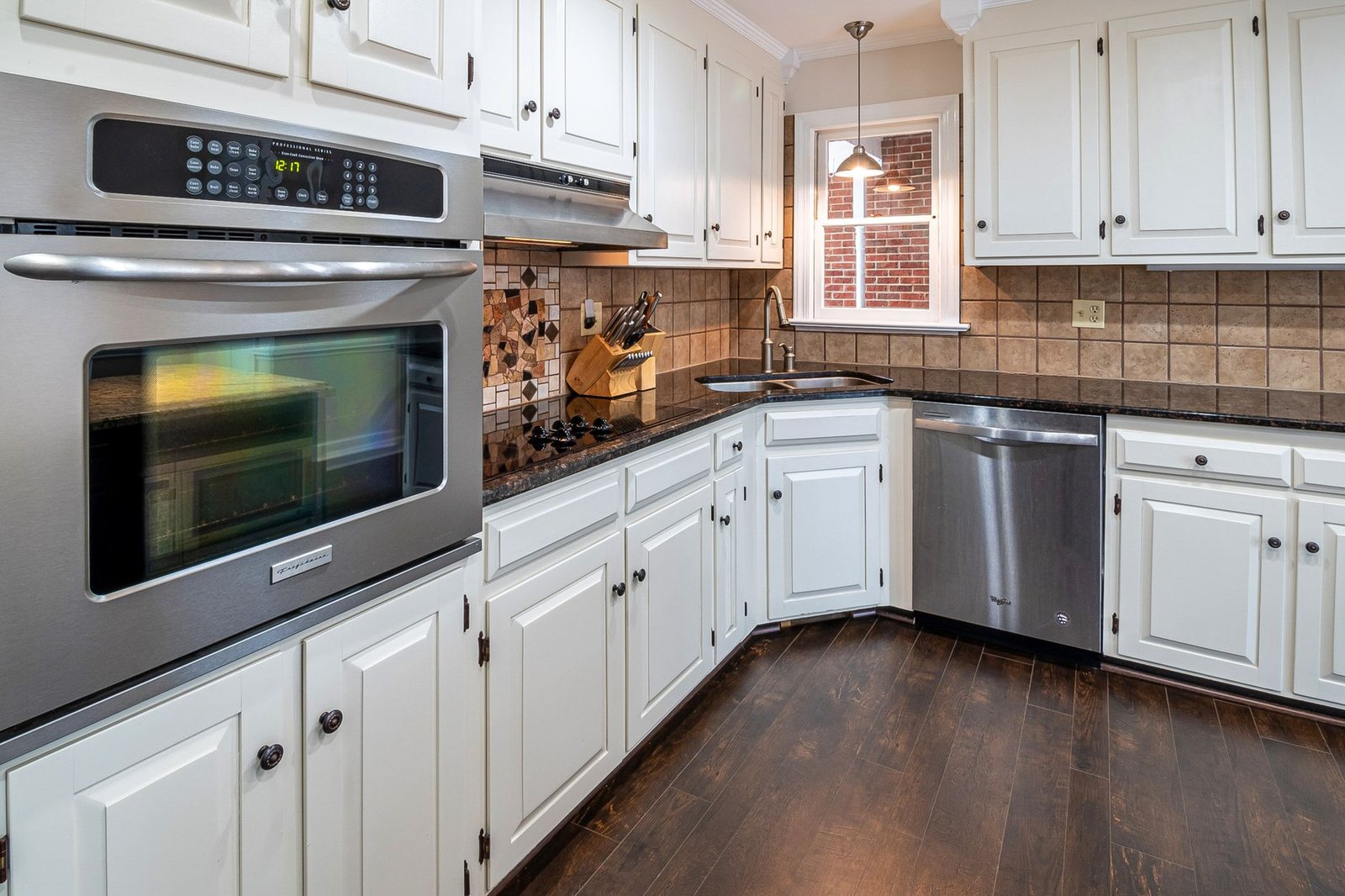
Painted vs. New Kitchen Cabinets: Cost Savings in 2026?
For residents contemplating a kitchen refresh in 2026, the question of renovating existing cabinetry versus a complete replacement often arises, particularly concerning financial implications. Directly addressing the core query, painting existing kitchen cabinets almost invariably presents a significantly lower upfront cost compared to purchasing and installing brand new units. However, the true long-term savings and value proposition depend heavily on various factors, including the original cabinet condition, desired longevity, and the overall scope of the homeowner’s vision for their domestic space.
Painting Existing Cabinets: The Budget-Friendly Revitalization
Opting to paint existing kitchen cabinets remains a popular choice for homeowners seeking a substantial aesthetic upgrade without the financial outlay of a full replacement. This approach capitalizes on the structural integrity of current cabinetry while transforming its visual appeal.
Cost Breakdown: Paint and Labor
The primary appeal of painting is its relatively low material cost. In 2026, high-quality, durable cabinet paints—many formulated with advanced self-leveling properties and low-VOC compounds for environmental benefit and improved indoor air quality—can be acquired at a fraction of the price of new cabinet boxes and doors. A DIY project, involving primers, specialized cabinet paint, and necessary tools, could range from $400 to $1,500, depending on kitchen size and chosen product quality. Engaging professional painters, especially those utilizing cutting-edge techniques like spray applications for factory-smooth finishes, typically elevates the cost to between $3,000 and $9,000. This variation accounts for extensive prep work, masking, and multiple coats, ensuring a resilient and attractive finish. Professional services often include advanced degreasing, sanding, and filling of imperfections, which significantly enhances the final outcome’s durability and aesthetic.
Effort and Time Commitment
Painting cabinets is a labor-intensive endeavor, whether undertaken by the resident or a professional. A DIY project can span several days to a couple of weeks, requiring meticulous attention to detail at every stage: removal of hardware and doors, thorough cleaning, sanding, priming, multiple coats of paint, and a protective topcoat. Each step demands adequate drying time, which extends the project duration. Professional services, while often more efficient due to specialized equipment and experienced crews, still require a period of disruption, typically 3-7 days of active work, plus potential drying time off-site for doors if sprayed in a workshop.
Longevity and Durability Considerations
The lifespan of a painted cabinet finish is contingent upon the quality of preparation, paint, and application, as well as the level of daily wear and tear. A properly prepped and painted cabinet can maintain its appearance for 5 to 10 years before touch-ups or a full repaint might be considered. Modern paints in 2026 are engineered for enhanced adhesion and chip resistance, often incorporating ceramic micro-beads or polyurethane additives. However, painted surfaces, especially those in high-traffic kitchen areas, are generally more susceptible to dings, scratches, and moisture damage than factory-finished new cabinets. Diligent maintenance is key; gentle cleaning and prompt attention to minor damage can extend the finish’s life considerably.
2026 Trends: DIY Kits and Professional Finishes
The market in 2026 offers sophisticated solutions for both DIY enthusiasts and those preferring professional intervention. Advanced ‘cabinet refresh’ kits provide all necessary materials and step-by-step instructions, making high-quality DIY achievable for the diligent homeowner. For professionals, electrostatic painting and specialized spray booths ensure an unparalleled, durable finish that closely mimics new factory cabinetry. The emphasis is on low-VOC, quick-drying formulations that minimize environmental impact and homeowner inconvenience. Trending colors include muted greens, deep blues, warm neutrals, and dark charcoals, often paired with natural wood accents for a biophilic design approach that connects indoor spaces with nature.
Installing New Cabinets: A Long-Term Investment
While the initial outlay is higher, replacing kitchen cabinets offers comprehensive benefits, including improved functionality, enhanced durability, and the opportunity for a complete design overhaul. This option is often viewed as a more permanent upgrade that significantly impacts a home’s overall value and utility.
Initial Investment: Materials and Installation
The cost of new kitchen cabinets varies significantly based on material, style, and whether they are stock, semi-custom, or fully custom. In 2026, stock cabinets—pre-manufactured in standard sizes—might cost from $3,000 to $8,000 for an average kitchen. Semi-custom options, offering more choices in sizing, finishes, and door styles, typically range from $8,000 to $20,000. Fully custom cabinets, precisely tailored to the resident’s space and specifications, can exceed $20,000 and reach upwards of $50,000, depending on materials like exotic hardwoods or specialized finishes. These figures generally include materials and basic installation. The installation process itself is more complex than painting, involving demolition of old units, potential wall repairs, and precise leveling and fitting of new boxes, which adds to labor costs. Professional installation alone can range from $1,500 to $5,000 or more, depending on complexity and geographic location.
Durability and Resale Value
New cabinets, particularly those of quality construction (e.g., solid wood boxes, plywood, or high-density fiberboard with durable veneers), boast superior longevity. Factory-applied finishes are significantly more robust and resistant to moisture, heat, and impact than most field-applied paints. A well-installed set of new cabinets can easily last 15 to 25 years or more with proper care. From a resale perspective, new cabinets often provide a substantial return on investment, appealing to potential buyers with their fresh appearance, modern features, and assurance of durability. This upgrade can be a significant selling point, especially in competitive housing markets where kitchen appeal is a top priority.
Modern Innovations: Materials and Smart Features
The year 2026 sees continued evolution in cabinet materials and integrated technology. Sustainable options like rapidly renewable bamboo, recycled wood composites, and sustainably harvested hardwoods are increasingly popular, reflecting a broader commitment to eco-conscious design. Innovative laminates and thermofoil finishes offer high durability and diverse aesthetics at a lower price point. Smart features are becoming mainstream, including:
- Integrated Charging Stations: Seamlessly built into drawers or behind panels for convenience.
- Touch-to-Open Mechanisms: Eliminating the need for hardware for a minimalist, sleek aesthetic.
- Smart Storage Solutions: Pull-out pantry systems, blind corner organizers, and appliance garages designed for optimal space utilization and accessibility.
- Biophilic Design Integration: Cabinets featuring natural textures, open shelving for plants, and earthy color palettes to foster a sense of well-being.
- AI-Powered Design Tools: Allowing homeowners to visualize custom layouts and material combinations with unprecedented realism before committing to a purchase, streamlining the decision process.
These innovations enhance both the functionality and user experience of the modern kitchen, reflecting evolving lifestyle demands.
Factors Influencing the Decision in 2026
The optimal choice between painting and replacing cabinetry hinges on several crucial considerations unique to each homeowner’s situation, balancing immediate needs with long-term aspirations.
Current Cabinet Condition
The structural integrity of existing cabinets is paramount. If boxes are warped, delaminated, or suffering from significant water damage, painting is merely a cosmetic fix over a failing foundation. Painting is best suited for cabinets that are structurally sound and well-built but aesthetically dated. A thorough inspection for loose joints, damaged frames, or compromised materials should precede any decision to ensure the investment is worthwhile.
Desired Aesthetic and Functionality
A simple color change can dramatically update a kitchen’s look, but it won’t alter the layout or improve inefficient storage. If the homeowner desires a completely new floor plan, expanded storage, or integrated smart features, new cabinets are the only viable path. Conversely, if the current layout is functional and merely a fresh style is sought, painting provides an excellent, cost-effective solution.
Project Timeline and Disruption
Painting existing cabinets generally involves less disruption and a shorter overall project timeline compared to a full cabinet replacement, which can render a kitchen unusable for a more extended period. Homeowners needing a quicker refresh with minimal interruption might lean towards painting, minimizing the impact on daily routines.
Future Plans for the Home
For residents planning to sell their property within a few years, a professional paint job can offer a high return on investment for a lower cost, providing a fresh, updated look that appeals to buyers. For those intending to reside in their home for a decade or more, the long-term durability, enhanced functionality, and increased property value offered by new, high-quality cabinets might justify the higher initial expense, securing comfort and value for the long haul.
Conclusion: Making the Informed Choice
In 2026, when evaluating ‘Painted Kitchen Cabinets vs. New Cabinets’ for cost savings, the clear answer for immediate, upfront budget efficiency is painting. This method provides a significant aesthetic uplift for a fraction of the cost of replacement, especially when the existing cabinet structure is robust. However, for residents seeking a truly transformative renovation, unparalleled durability, improved functionality, and a substantial long-term increase in property value, investing in new cabinets offers a comprehensive solution. The ultimate decision requires a careful assessment of the current cabinet condition, the homeowner’s aesthetic aspirations, functional requirements, budget constraints, and long-term residency plans. By meticulously weighing these factors, a property owner can confidently select the cabinet solution that best aligns with their vision for a comfortable, stylish, and highly functional domestic space.