
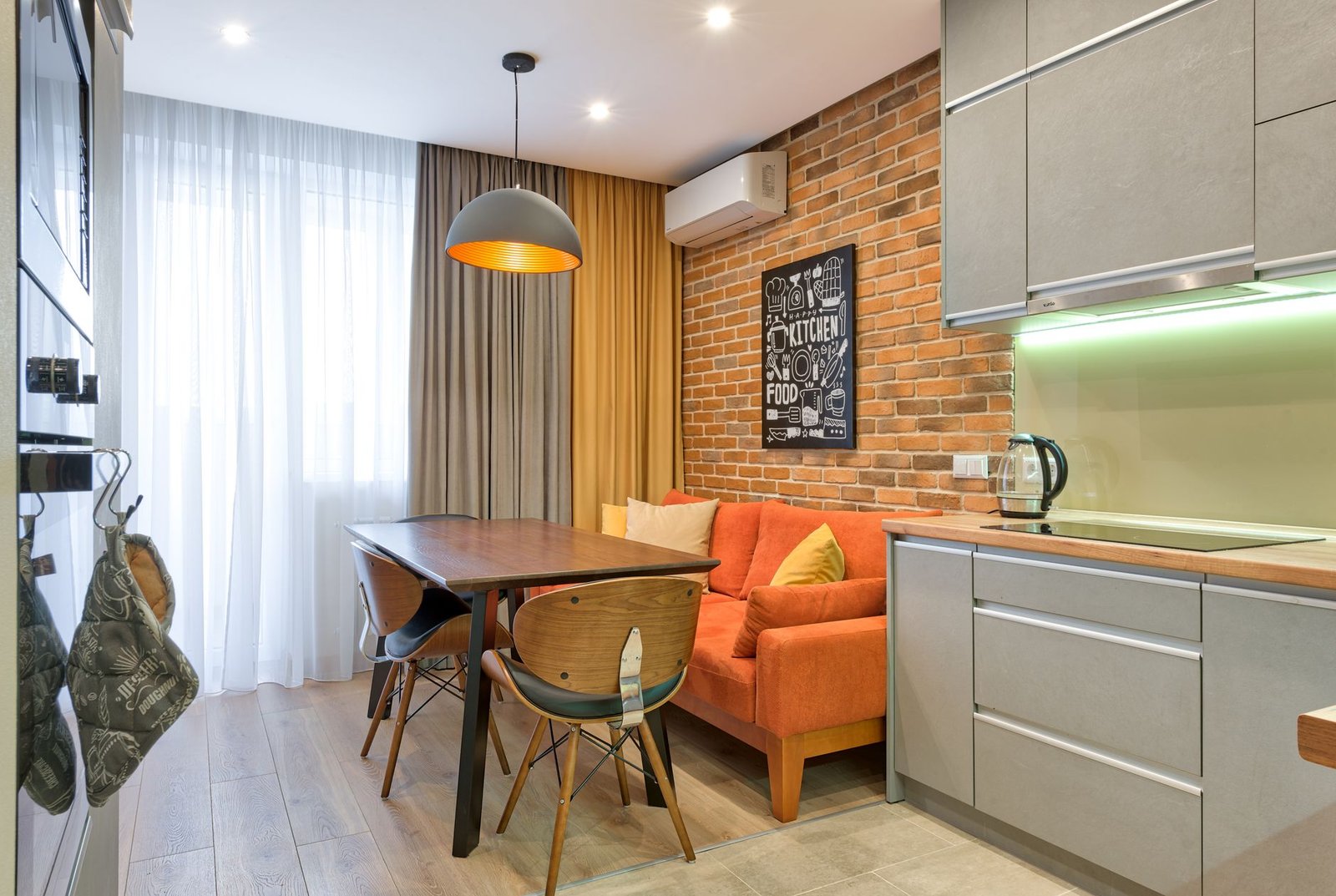
A small dining room can often feel cramped and unwelcoming, posing a common challenge for homeowners. However, achieving an expansive and functional dining area, even within limited square footage, is entirely possible. By strategically implementing smart furniture swaps and embracing current trends, residents can transform a compact space into an inviting and efficient hub for meals and gatherings. This article outlines five effective furniture solutions and highlights 2026 industry innovations to maximize both style and utility in smaller dining areas.
Addressing the Crowded Dilemma in 2026 Dining Spaces
The perception of spaciousness in a dining room hinges on thoughtful design choices that prioritize visual lightness, multi-functionality, and intelligent layouts. In 2026, the focus for compact living is on adaptive, sustainable, and technologically integrated solutions that prevent a cluttered feel without sacrificing comfort or aesthetic appeal. The goal is to create an environment where every piece serves a purpose, contributing to an open, breathable atmosphere rather than detracting from it.
2026’s 5 Smart Furniture Swaps for Compact Dining Areas
1. From Bulky Rectangular Tables to Extendable Rounds/Ovals
-
Problem: Fixed, large rectangular tables consume significant floor space, hindering movement and making a small room feel perpetually full.
-
2026 Solution: Extendable round or oval tables. These designs offer unparalleled flexibility, expanding only when additional seating is required. The absence of sharp corners in round or oval forms also improves traffic flow and softens the room’s aesthetic, which is highly valued in 2026 for enhancing comfort and ergonomics. Modern options for 2026 often feature lightweight, durable composite tops or sustainably sourced timber, equipped with seamless, often automated, extension mechanisms. Transparent or frosted glass tops are also trending for their ability to visually recede, reflecting light and making the space appear larger without adding visual weight.
2. From Traditional Dining Chairs to Stackable or Bench Seating
-
Problem: Standard dining chairs typically occupy substantial visual and physical space, even when not in use, contributing to a crowded impression.
-
2026 Solution: Sleek, stackable chairs or integrated bench seating. Stackable chairs, particularly those crafted from lightweight recycled plastics, slim metal frames, or sustainable bamboo, can be effortlessly stored away when not needed, instantly freeing up floor space. Bench seating, especially when built into a wall or window nook, maximizes seating capacity in a compact footprint and often incorporates hidden storage beneath the seat. The 2026 trend emphasizes ergonomic designs upholstered in advanced performance fabrics that are stain-resistant and easy to clean, blending utility with refined aesthetics. Bioplastic components and natural, breathable weaves are increasingly common, offering a sustainable edge.
3. From Clunky Sideboards to Wall-Mounted or Integrated Storage
-
Problem: Freestanding sideboards and buffets, while functional for storage, can visually overpower a small dining room, adding to its heavy feel.
-
2026 Solution: Wall-mounted shelving, slim console tables, or integrated storage units. Floating shelves or slim wall-mounted cabinets free up valuable floor space, creating an illusion of openness and lightness. Modern designs seamlessly blend into the wall, often featuring push-to-open doors or hidden compartments that maintain a minimalist aesthetic. Slim console tables with minimalist profiles, perhaps incorporating discreet charging ports or ambient LED lighting, offer subtle utility without bulk. Materials like ultra-thin sintered stone or high-pressure laminates in neutral, reflective finishes are popular for their durability, easy maintenance, and ability to enhance visual spaciousness.
4. From Opaque Partitions to Open Shelving or Console Tables
-
Problem: Solid room dividers or large, imposing furniture pieces can segment a small area, making it feel more claustrophobic and disconnected.
-
2026 Solution: Open-back shelving units or slender console tables acting as gentle room delineators. These pieces allow light and sightlines to pass through, maintaining an open feel while still subtly defining distinct zones within a larger open-plan living space. Minimalist designs featuring thin metal frames with glass or light wood shelves are highly favored. This approach aligns with the 2026 emphasis on fluidity and seamless transitions between living areas. Biophilic elements, such as integrated planters within shelving units, further enhance the sense of connection to nature while providing a soft, permeable partition.
5. From Heavy Drapery to Minimalist Window Treatments
-
Problem: Thick, voluminous curtains visually shrink a room by blocking precious natural light and consuming valuable wall space around windows.
-
2026 Solution: Sleek roller blinds, sheer panels, or innovative smart glass solutions. These options maximize the influx of natural light, a cornerstone of biophilic design in 2026. Minimalist blinds in light, natural fabrics or sheer curtains provide privacy without sacrificing brightness. For an ultimate modern upgrade, smart glass technology is increasingly accessible, allowing residents to switch windows from clear to opaque with a touch, eliminating the need for physical treatments entirely while offering instant privacy and optimal light control. This significantly maximizes the perception of space and optimizes natural illumination, contributing to a lighter, airier dining environment.
Optimizing with 2026 Innovations: Light, Layout, and Material Advancements
Beyond specific furniture pieces, a holistic approach integrating modern advancements in lighting, layout, and materials is essential for transforming a compact dining area. These elements work in concert to enhance the perception of space and functionality.
Enhanced Illumination and Visual Flow
Maximizing natural light remains paramount. Residents should ensure windows are unobstructed and consider sheer or light-colored window treatments. Smart glass technology, increasingly accessible in 2026, offers dynamic privacy and light control without physical treatments, instantly expanding visual space. Strategically placed mirrors continue to be effective for reflecting light and views. For artificial light, layered LED smart lighting systems are favored, offering dynamic color temperature and brightness adjustments. Flush-mount or recessed fixtures prevent visual clutter, while elegant pendant lights with transparent designs add character without consuming space, often integrating wireless charging ports within their bases for modern convenience.
Strategic Layout for Effortless Movement
An efficient layout ensures clear pathways and prevents a cramped feeling. Homeowners can consider corner placements for banquettes or utilize walls for vertical storage to free up floor space. The goal is to create an intuitive flow, allowing for easy movement within the dining area and seamless transition to adjacent spaces. Modular design principles, prevalent in 2026, encourage furniture arrangements that can be easily reconfigured to suit various functions, from daily dining to social gatherings, maximizing the utility of every square foot.
2026 Material and Technology Innovations
The choice of materials profoundly influences a room’s aesthetic and perceived size. 2026 sees a strong emphasis on sustainable, lightweight, and high-performance materials.
- Recycled Composites and Bioplastics: Used in furniture frames and surfaces, these offer durability and reduced environmental impact.
- Transparent and Reflective Surfaces: Glass, polished metals, and high-gloss finishes continue to be key for reflecting light and creating visual depth. Ultra-thin sintered stone and polished concrete offer sleek, light-reflecting surfaces.
- Performance Fabrics: Advanced natural fibers and recycled synthetics with inherent stain-resistance and easy-clean properties are essential for family-friendly, durable seating.
- Integrated Smart Technology: Beyond lighting, dining furniture may feature discreet induction charging points, ambient sensing, or even integrated air purification systems, reducing the need for separate gadgets and enhancing the streamlined aesthetic.
- Biophilic Elements: The integration of subtle natural textures, wood grains, and concealed planters continues to connect the space with the outdoors, fostering a sense of calm and openness.
These advancements allow for dining areas that are not only stylish and spacious but also responsive to modern living demands.
Transforming the Compact Dining Area for Modern Living
A small dining room should never feel like a design limitation. By thoughtfully implementing strategic furniture swaps, optimizing lighting, and embracing 2026 material and technological innovations, homeowners can transform these spaces into inviting, functional, and visually expansive areas. The focus remains on versatility, visual lightness, and a seamless integration of form and function. With these considerations, a compact dining room can become a cherished focal point, effortlessly accommodating both everyday meals and special gatherings without feeling constrained.