The quest for an impeccably organized pantry in a bustling household is a perennial challenge, yet the ideal solution in 2026 for busy families is a highly adaptable, technologically integrated, and sustainably minded system. The most effective approach transcends mere aesthetics, focusing instead on intuitive functionality, durable materials, and smart technologies that minimize friction in daily routines. For busy families, the best pantry organization system is one that seamlessly blends efficiency with accessibility, ensuring every resident can easily locate and manage food items without constant oversight.
The Evolving Pantry: Trends and Materials in 2026
As domestic spaces continue to evolve, so too do the expectations for pantry functionality and design. In 2026, industry trends emphasize systems that are not only aesthetically pleasing but also exceptionally practical and environmentally conscious. The modern pantry is no longer a static storage area but a dynamic hub for nutritional management.
Smart Integration and Automation
The year 2026 sees a significant rise in smart pantry technologies designed to streamline inventory management. Integrated RFID or NFC tags on containers, coupled with intelligent shelving systems, allow for real-time tracking of contents and expiry dates. These systems can automatically update digital shopping lists and alert residents when staples are running low, significantly reducing food waste and unexpected grocery runs. Voice-activated assistants can even guide the user to specific items, proving invaluable during meal preparation. The resident benefits from a transparent and proactively managed food supply, freeing up mental bandwidth for other family priorities.
Sustainable and Durable Materials
Material choices in 2026 underscore sustainability and longevity. Highly durable and food-safe recycled plastics, such as those made from ocean-bound waste, are increasingly common for bins and containers, often boasting enhanced antimicrobial properties. Borosilicate glass containers with airtight, sustainable bamboo or silicone seals provide visibility and preserve freshness, resisting staining and odors. Modular shelving units constructed from sustainably harvested timber or recycled aluminum offer robust support and aesthetic appeal, designed for easy reconfiguration as family needs change. Stainless steel pull-out drawers and wire baskets are favored for their durability, hygiene, and ease of cleaning, contributing to a consistently tidy environment. These material selections ensure the pantry system endures daily wear while aligning with eco-conscious values.
Core Principles of an Efficient Pantry
Beyond material trends and technological advancements, foundational organizational principles remain crucial for creating a pantry that truly works for busy families. Adherence to these core concepts ensures longevity and sustained order.
Zoning for Intuitive Access
Effective pantry organization hinges on the creation of distinct zones. Grouping similar items together—such as baking supplies, breakfast cereals, snacks, canned goods, and meal prep ingredients—allows for intuitive retrieval and easy restocking. Designating specific areas for different meal categories or types of ingredients minimizes search time. For instance, a “dinner solutions” zone might contain pasta, sauces, and rice, while a “breakfast bar” zone holds oats, granola, and spreads. This method ensures that all members of the household, regardless of age, can quickly locate what is needed without disrupting other sections.
Vertical Maximization and Adjustable Solutions
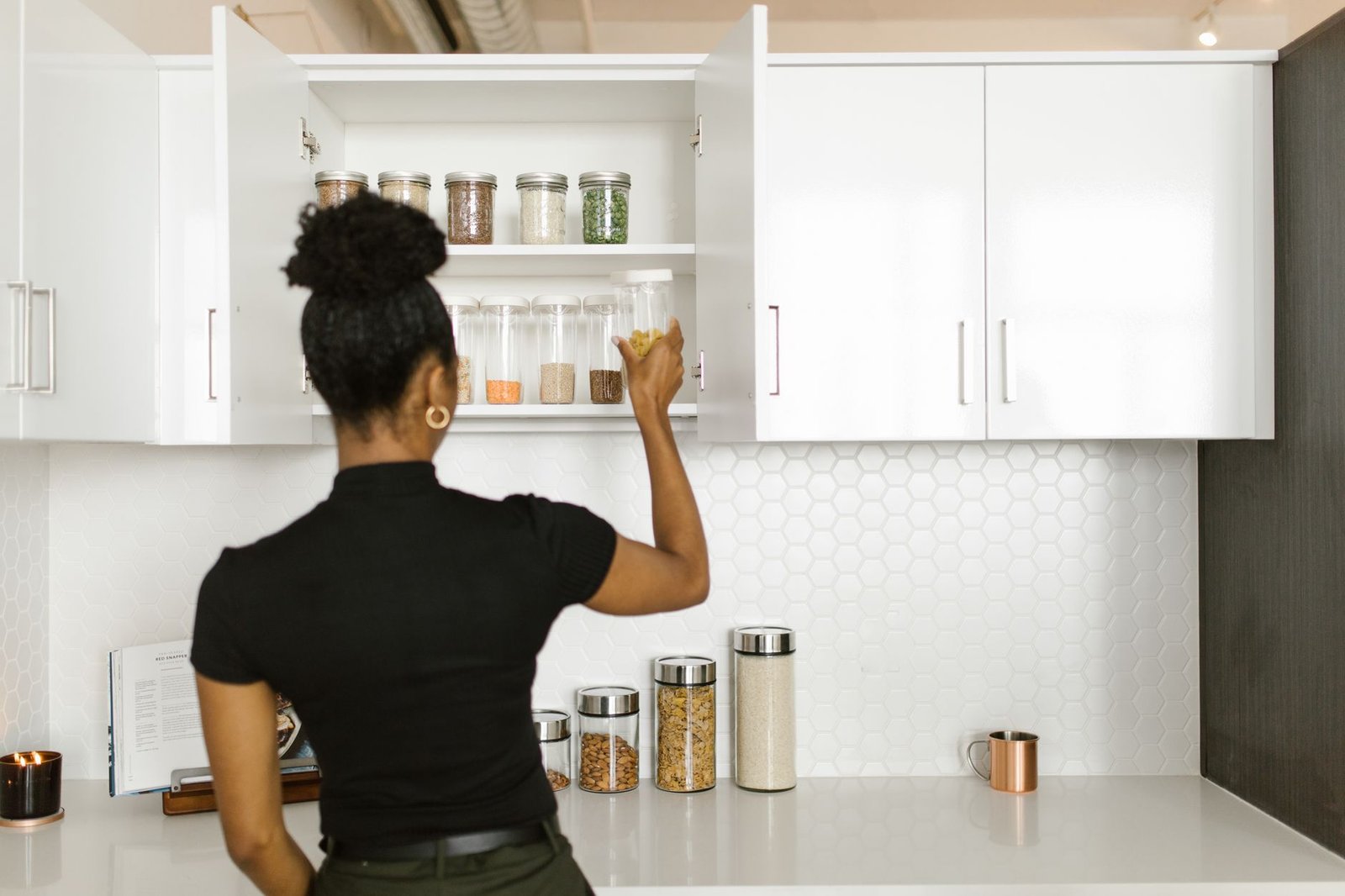
Maximizing vertical space is paramount in any efficient pantry. Adjustable shelving is a fundamental component, allowing the resident to customize shelf heights to accommodate varying container sizes, from tall cereal boxes to short condiment bottles. Stackable, clear containers and shelf risers optimize internal shelf space, preventing items from getting lost behind taller ones. Door-mounted organizers provide additional storage for frequently used spices, wraps, or smaller jars, keeping them within easy reach. Pull-out drawers or baskets for heavier items like root vegetables or bulk purchases reduce strain and improve accessibility, creating a more ergonomic workspace for the homeowner.
Inventory Management and Rotation
A well-organized pantry is not just about where items are stored, but also how they are managed over time. Implementing a “First-In, First-Out” (FIFO) system, wherein older items are placed at the front and newer items at the back, is essential for preventing spoilage and reducing waste. Clear, uniform containers with prominent labels—either physical or digital via smart systems—ensure contents and expiry dates are always visible. Regular inventory checks, perhaps on a weekly or bi-weekly basis, allow the resident to proactively identify needs and plan grocery trips, reinforcing the cycle of efficient consumption and replenishment.
Tailoring Systems for Busy Family Dynamics
The “best” system adapts to the unique rhythm and needs of a busy family. Customization ensures the organization remains practical and sustainable for everyone involved.
Kid-Friendly Access and Zones
For families with children, integrating kid-friendly zones is a game-changer. Dedicate lower shelves or easily accessible pull-out bins for snacks, cereals, and other items that children can safely reach. Label these zones with pictures or simple words to empower younger residents to make independent choices, fostering responsibility and reducing demands on adult supervision. Ensuring these items are contained in durable, spill-proof containers further reduces mess and maintains order, giving the homeowner peace of mind.
Bulk Buying and Storage Innovations
Many busy families benefit from bulk purchasing to save time and money. The 2026 pantry should accommodate this reality with dedicated storage solutions. Large, airtight food-grade containers made from sustainable materials are ideal for staples like rice, pasta, flour, and cereals. Integrated deep drawers or sturdy bins can hold larger quantities of root vegetables or infrequently used appliances. Some modern pantry designs even incorporate specialized climate-controlled sections for extended fresh produce storage, a significant innovation for reducing spoilage and enhancing food longevity, supporting the resident’s commitment to efficient grocery management.
Maintaining the System Long-Term
The true measure of an effective pantry organization system is its sustainability over time. This requires a commitment to routine and a shared understanding among all household members. Implementing a quick “reset” routine after each grocery trip, where items are immediately decanted, labeled, and placed in their designated zones, prevents clutter buildup. Scheduled quarterly clean-outs and adjustments allow the resident to re-evaluate the system’s efficacy and make necessary modifications as consumption patterns or family needs evolve. Involving all family members in the maintenance process fosters collective responsibility and ensures the pantry remains a functional, stress-free space for years to come.
In conclusion, the optimal pantry organization system for busy families in 2026 is a dynamic blend of smart technology, sustainable materials, and time-tested organizational principles, all tailored to the unique rhythms of family life. By embracing adaptability, leveraging intuitive zoning, and committing to consistent maintenance, residents can transform their pantries into highly efficient and serene hubs, simplifying daily routines and enhancing domestic comfort.