
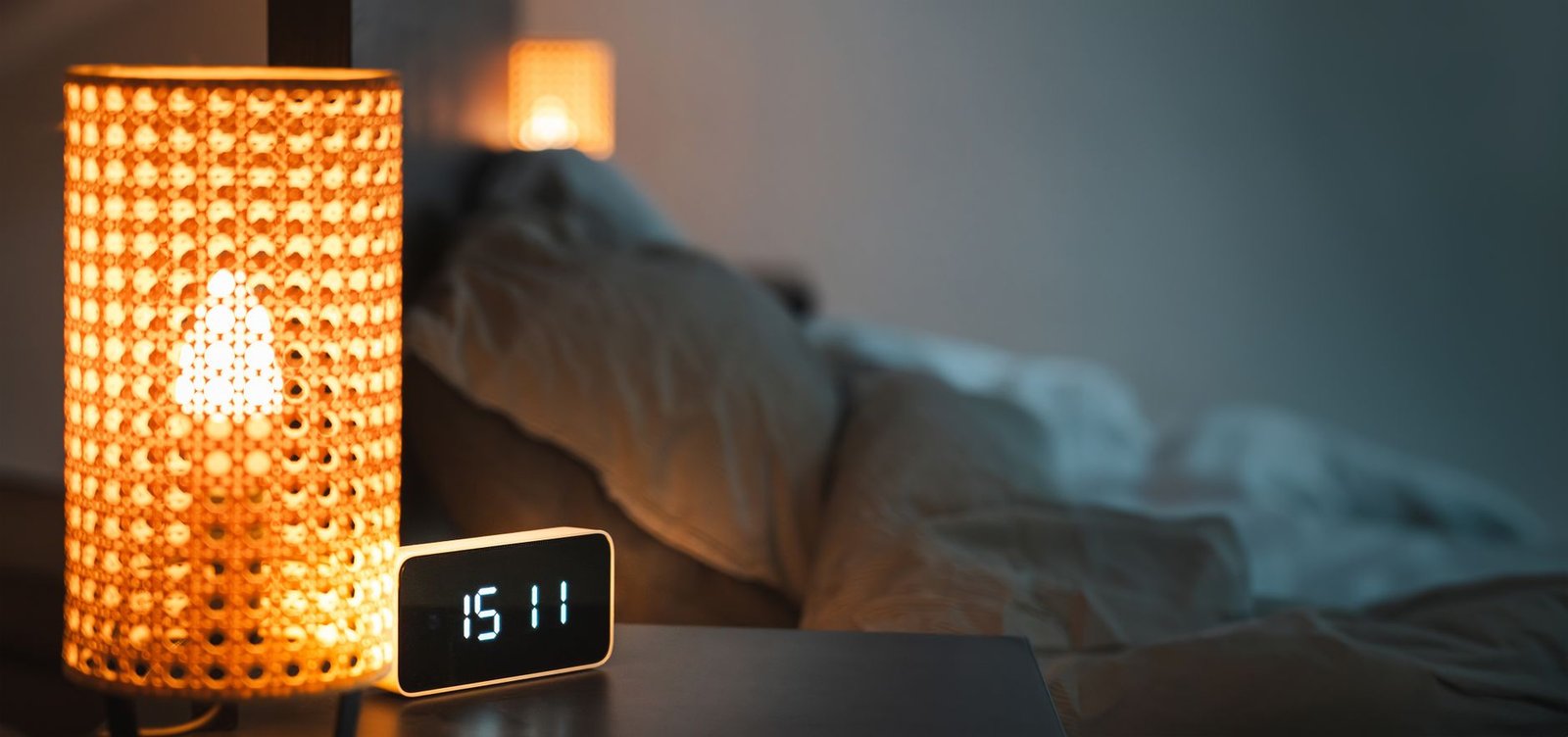
In 2026, harnessing the power of light is no longer a futuristic concept but a vital strategy for improving sleep quality. This article explores five intelligent lighting techniques, incorporating cutting-edge smart devices and design principles, that can profoundly enhance the resident’s nightly rest. By strategically manipulating exposure to various light spectrums and intensities throughout the day, the human body’s natural circadian rhythm can be optimally aligned, leading to more profound and restorative sleep.
Optimizing Morning Light for Circadian Alignment
Technique 1: Dawn Simulation and Gradual Awakening
The dawn simulation technique gently coaxes the body awake by mimicking the natural sunrise. Instead of an abrupt alarm, an increasing glow from a smart light source signals the body to gradually reduce melatonin production and increase cortisol, preparing it for wakefulness. Advanced full-spectrum LED panels available in 2026 offer unparalleled precision, smoothly transitioning from a deep red to a bright, cool white (2700K to over 6500K) over 30 to 60 minutes. These systems are often integrated seamlessly with smart home ecosystems like Matter and Thread, allowing for personalized automation. Innovations in micro-LED technology are also enabling thinner, more uniform light fields embedded directly into ceiling panels, providing a truly ambient and naturalistic sunrise effect within the bedroom. Consistent morning light exposure is crucial for establishing a robust circadian rhythm.
Strategic Daytime Illumination for Sustained Alertness
Technique 2: Dynamic White Light and Blue Light Management
Maintaining optimal alertness and mood throughout the day significantly impacts sleep quality at night. Dynamic white lighting systems in 2026 automatically adjust their color temperature and intensity to mirror the natural daylight cycle, providing cooler, brighter light (around 5000K-6500K) during peak daytime hours and gradually warming it (3000K-4000K) as evening approaches. These AI-powered adaptive lighting systems can even integrate with natural light sensors or biometric data from wearable devices, fine-tuning indoor illumination based on external conditions and the individual’s activity levels. Strategic exposure to ample bright, blue-rich light during the day helps suppress melatonin, thereby boosting energy and cognitive performance, while preventing excessive blue light exposure later in the day is equally vital. Modern screen technologies now feature integrated, imperceptible blue-light filtering layers that dynamically adapt throughout the day, mitigating strain without visible color shifts.
Technique 3: Maximizing Natural Light and Minimizing Glare
Natural light is arguably the most potent circadian cue. Homeowners in 2026 are increasingly incorporating architectural solutions that maximize natural light penetration while controlling glare and heat. Electrochromic glass, which can instantly tint or clear at the touch of a button or automatically based on sunlight sensors, offers precise control over light influx. Smart blinds and shades, often solar-powered and woven with light-diffusing nanofibers, integrate seamlessly with smart home systems to optimize daylight harvesting and prevent harsh direct sunlight. Landscape architects are designing outdoor spaces with strategically placed reflective surfaces and light shelves to bounce natural light deeper into interior rooms. Maximizing natural light exposure during the day improves mood, boosts vitamin D synthesis, and reinforces a healthy sleep-wake cycle.
Crafting the Evening Wind-Down Environment
Technique 4: Amber-Shifted and Blue-Light-Blocking Solutions
As evening approaches, the goal is to minimize light exposure, particularly blue wavelengths, which inhibit melatonin production. In 2026, smart bulbs with extended amber and red spectrum output are commonplace, offering truly ‘blue-free’ light profiles for the hours leading up to bedtime. These specialized bulbs emit wavelengths above 550 nanometers, effectively preventing melatonin suppression. Many digital devices and smart home hubs now feature dedicated ‘sleep mode’ settings that automatically shift screens and room lighting to these warmer, less stimulating tones. Architectural lighting solutions are also evolving, with embedded light-filtering layers in fixtures and even wall paints designed to absorb specific wavelengths. The resident can prepare the body for rest by consistently using warm, dim, amber-shifted lighting in the evening.
Technique 5: Red Light Therapy and Sleep Sanctuary Design
Beyond simply removing blue light, certain light spectrums may actively promote relaxation and physiological preparation for sleep. Targeted red light therapy devices, emitting light in the 630-700 nanometer range, are becoming more compact and integrated into bedroom furniture such as headboards or subtle ceiling fixtures. While more research is ongoing, proponents suggest red light can support cellular repair and promote a sense of calm. From an interior design perspective, creating a ‘sleep sanctuary’ involves a holistic approach. This includes not only advanced lighting but also material innovations like light-absorbing acoustic panels that reduce environmental noise and bioluminescent wall finishes that emit an extremely soft, warm, passive glow, creating an inherently soothing atmosphere. A thoughtfully designed bedroom, leveraging both active and passive light strategies, significantly enhances the ability to achieve restorative sleep.
Integrating Smart Home Ecosystems for Seamless Sleep Enhancement
The Future of Circadian Lighting Control
The true power of these lighting techniques lies in their integration within intelligent home ecosystems. By 2026, AI predictive algorithms are central to optimizing a resident’s light environment. These systems learn individual sleep patterns, adjust lighting schedules based on calendar events, and even respond to voice commands for personalized routines. Integration with smart mattresses, sleep trackers, and even biometric sensors allows the lighting system to make real-time adjustments for optimal sleep preparation and awakening. Energy-efficient, long-lasting OLED and micro-LED lighting panels, which offer uniform and highly customizable illumination, are the foundation of these advanced systems. This holistic approach ensures an effortless transition through light phases, perfectly aligning the resident’s internal clock with the rhythm of their home.
“`