
Ensuring a healthy home environment in 2026 hinges significantly on effective ventilation. While there isn’t a single “best” ventilation system universally applicable to every residence, the most suitable choice typically balances robust indoor air quality, optimal humidity control, and energy efficiency. Modern homeowners are increasingly prioritizing systems that integrate advanced filtration and smart technology to combat indoor pollutants and maintain consistent comfort throughout their living spaces.
Understanding Home Ventilation for Modern Living
Modern homes, built with increasingly tighter envelopes for energy efficiency, inadvertently trap indoor air pollutants. These include volatile organic compounds (VOCs) from building materials and furnishings, carbon dioxide (CO2) from human respiration, allergens like dust mites and pet dander, and moisture that can lead to mold and mildew. Effective ventilation is the controlled process of introducing fresh outdoor air and expelling stale indoor air, crucial for diluting these contaminants and maintaining a healthy internal atmosphere. Without proper ventilation, residents may experience issues ranging from respiratory problems and allergies to structural damage caused by excessive humidity.
The Evolving Need for Controlled Air Exchange
The push for net-zero and passive house standards has led to homes that are exceptionally well-insulated and sealed. While beneficial for thermal performance, this sealing demands a proactive approach to air exchange. Natural ventilation, relying on drafts and open windows, is often insufficient and uncontrollable. The focus in 2026 is on mechanical ventilation systems that provide continuous, controlled airflow, irrespective of outdoor weather conditions or occupant behavior.
Types of Ventilation Systems for 2026
Selecting the optimal ventilation system requires understanding the distinct approaches available and their suitability for different home structures and climate zones.
Natural Ventilation
Historically, natural ventilation through open windows, doors, and deliberate vents was the primary method of air exchange. While still a viable supplement, especially during favorable weather, its reliability for consistent indoor air quality is limited. 2026 innovations include smart window systems that automatically open and close based on indoor air quality sensors and outdoor conditions, offering a more controlled natural approach.
Exhaust-Only Systems
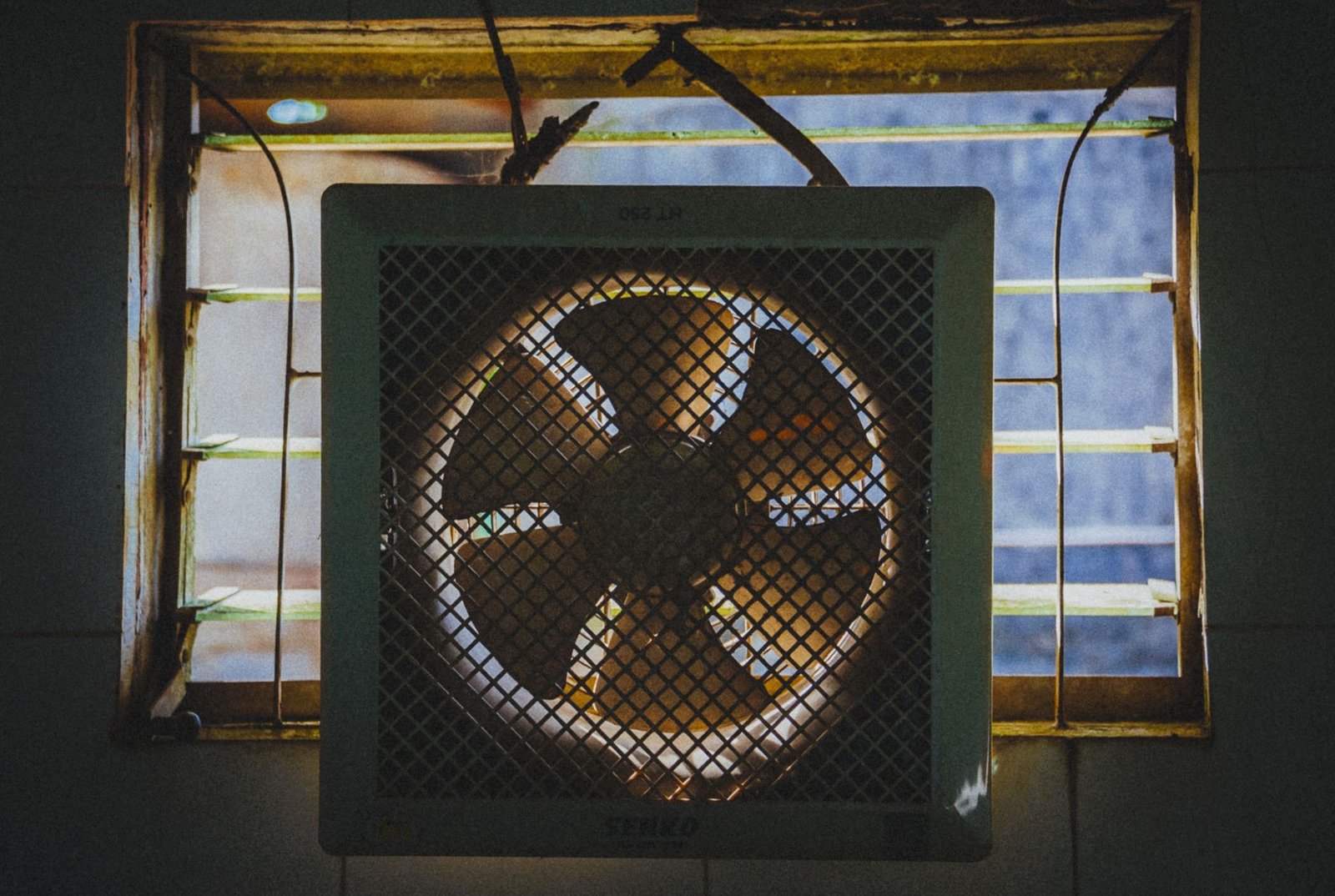
These systems operate by depressurizing the home, using fans to pull stale air out, typically from moisture and odor-prone areas like bathrooms and kitchens. Fresh air then infiltrates through cracks and intentional openings elsewhere in the home. While simple and relatively inexpensive, exhaust-only systems offer limited control over the source and quality of incoming air, potentially drawing in unfiltered air or exacerbating drafts. Modern exhaust fans feature quieter operation and enhanced efficiency, often integrated with humidity sensors.
Supply-Only Systems
In contrast, supply-only systems use fans to bring fresh air into the home, slightly pressurizing it and forcing stale air out through existing leaks and vents. This approach allows for incoming air to be filtered and, in some cases, conditioned. However, like exhaust-only systems, it lacks precise control over where stale air exits, and in humid climates, can introduce excessive moisture if not properly managed. Advanced filters, including MERV 13 and higher, are becoming standard for incoming air.
Balanced Ventilation Systems: HRV and ERV
Balanced ventilation systems are the gold standard for healthy, energy-efficient homes in 2026. These systems simultaneously supply fresh air and exhaust stale air in equal measures, maintaining a neutral pressure balance within the home. Their key feature is an integrated heat or energy recovery core, significantly reducing the energy penalty associated with ventilation.
Heat Recovery Ventilators (HRVs)
HRVs transfer heat from the outgoing stale air to the incoming fresh air during colder months, and vice versa in warmer periods. They are highly effective in colder climates where retaining indoor heat is paramount, minimizing heat loss while ensuring a continuous supply of fresh, filtered air. 2026 HRVs boast advanced fan motor technology for quieter operation and improved heat transfer efficiency, often exceeding 85%.
Energy Recovery Ventilators (ERVs)
ERVs perform similarly to HRVs but with an added benefit: they transfer both heat and moisture. This makes ERVs exceptionally well-suited for a wider range of climates, especially those with high humidity, as they help manage indoor humidity levels without significantly impacting the home’s heating or cooling load. Modern ERV cores utilize advanced polymer membranes for more efficient and robust moisture transfer, resisting biological growth and offering enhanced durability. ERVs are often considered the most comprehensive solution for year-round comfort and air quality in diverse climates.
Key Considerations for System Selection
Choosing the right ventilation system involves evaluating specific homeowner priorities and structural realities.
Indoor Air Quality (IAQ)
The primary goal of any ventilation system is to improve IAQ. When selecting a system, the homeowner should consider its ability to filter incoming air for particulates (PM2.5, pollen), dilute CO2, and remove VOCs. High-efficiency MERV 13 or even HEPA-grade filtration is increasingly integrated into advanced HRV and ERV units, becoming a standard expectation for superior IAQ.
Humidity Control
Maintaining optimal indoor humidity (typically 30-50%) is vital for comfort, health, and structural integrity. Excess humidity fosters mold growth, while overly dry air can cause respiratory irritation. ERVs are particularly adept at humidity management by transferring moisture, making them a strong choice for homes in humid regions or those with significant indoor moisture generation.
Energy Efficiency
Ventilation should not come at the cost of high energy bills. HRVs and ERVs are inherently energy-efficient due to their heat/energy recovery capabilities. Furthermore, 2026 models feature variable-speed ECM (electronically commutated motor) fans that consume significantly less power, adapting airflow precisely to current needs. Look for ENERGY STAR certified units.
Installation and Maintenance
The complexity of installation varies greatly between systems, with balanced systems requiring dedicated ductwork. Professional installation is crucial for optimal performance. Regular maintenance, primarily filter replacement, is essential for all systems. Modern systems often include filter-change indicators and modular designs for easier maintenance access. The homeowner should consider the long-term cost and ease of filter replacement.
Future Trends and Smart Integration in 2026
The future of home ventilation is intelligent and integrated. In 2026, ventilation systems are increasingly becoming part of the broader smart home ecosystem.
- AI-Driven Optimization: Systems are leveraging artificial intelligence to learn occupant patterns, predict ventilation needs, and adjust airflow automatically based on real-time data from indoor air quality sensors (CO2, VOCs, PM2.5).
- Seamless Smart Home Integration: Compatibility with leading smart home platforms like Apple Home, Google Home, Amazon Alexa, and the emerging Matter standard allows for centralized control and automation. Residents can manage their ventilation alongside lighting, heating, and security.
- Decentralized Solutions: For homes where extensive ductwork isn’t feasible, such as apartments or retrofits, compact, through-the-wall decentralized ERV units are gaining popularity, offering localized balanced ventilation without complex installation.
- Advanced Filtration Beyond MERV: Research into photoelectrocatalytic oxidation (PECO) and other active air purification technologies integrated within ventilation units promises to break down pollutants at a molecular level, not just filter them.
- Passive House Influence: The principles of passive house construction continue to drive innovation, pushing for extremely efficient and robust balanced ventilation systems that are virtually silent and require minimal energy input.
In conclusion, for a truly healthy home in 2026, a balanced ventilation system, specifically an Energy Recovery Ventilator (ERV), often presents the most comprehensive solution. Its ability to manage both heat and moisture, coupled with advanced filtration and smart home integration, positions it as the frontrunner for maintaining superior indoor air quality and comfort while optimizing energy efficiency. The ultimate choice will depend on the resident’s specific climate, budget, and the architectural characteristics of their home, always leaning towards systems that offer controlled, continuous air exchange with robust recovery capabilities.