
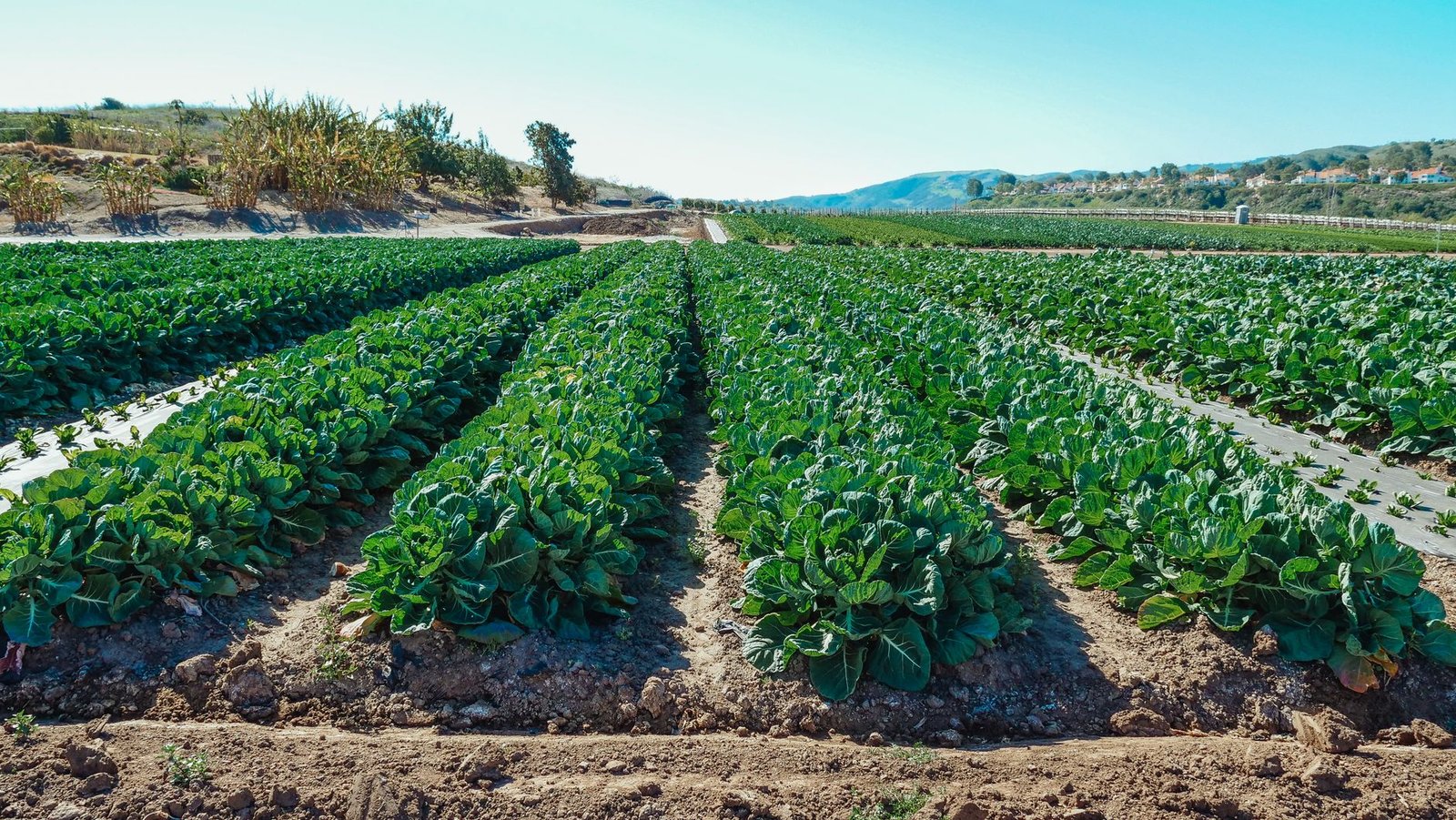
For 2026, determining the best organic fertilizer for vegetable gardens involves considering advancements in sustainable soil enrichment and nutrient delivery. Leading options often include well-aged compost, worm castings, and biochar-enhanced formulations, each offering distinct advantages for robust plant growth and long-term soil health. The optimal choice will depend on specific soil conditions, plant needs, and the resident’s commitment to ecological stewardship.
The Evolving Landscape of Organic Fertilizers in 2026
The organic gardening sector continues to innovate, with 2026 seeing a significant push towards hyper-local sourcing, advanced microbial blends, and formulations that actively sequester carbon. As environmental awareness intensifies, the demand for fertilizers that not only feed plants but also regenerate soil ecosystems has never been higher. Homeowners are increasingly seeking products that align with principles of regenerative agriculture, focusing on improving soil structure, water retention, and biodiversity.
Key Trends Driving Organic Choices
- Microbial Enhancement: Beyond basic nutrients, 2026 organic fertilizers frequently integrate beneficial microbes, fungi, and bacteria. These living components enhance nutrient availability, suppress plant diseases, and improve root development. Modern formulations leverage targeted microbial consortia designed for specific plant types or soil deficiencies.
- Biochar Integration: Biochar, a stable form of carbon produced from biomass, has moved from a niche amendment to a mainstream ingredient. Its ability to improve soil structure, retain water and nutrients, and provide a habitat for beneficial microbes makes biochar-enhanced fertilizers a top-tier choice for long-term soil health and carbon sequestration.
- Trace Mineral Focus: With soil depletion a growing concern, advanced organic fertilizers in 2026 often feature a broader spectrum of trace minerals. These micronutrients are crucial for plant metabolic processes and overall crop vitality, contributing to higher yields and more nutrient-dense vegetables.
- Circular Economy Principles: A significant trend for 2026 is the emphasis on closed-loop systems. This includes fertilizers derived from local waste streams, such as municipal compost, agricultural by-products, and sustainable aquaculture waste, reducing reliance on long-distance transportation and promoting regional sustainability.
Sustainable Sourcing and Certification
In 2026, consumers are more discerning about the provenance of their garden inputs. Organic certifications remain crucial, but an added layer of scrutiny now extends to the ethical sourcing of raw materials, energy efficiency in production, and transparent supply chains. Products boasting certifications for carbon footprint reduction or water stewardship are gaining prominence, allowing residents to make choices that truly reflect their environmental values.
Top Organic Fertilizer Recommendations for 2026
Aged Compost: The Timeless Powerhouse
Description: Well-aged compost remains the gold standard for organic gardening. It’s a rich, dark, and crumbly material made from decomposed organic matter. In 2026, commercially available composts are often fortified with additional microbial inoculants for enhanced efficacy, while homemade compost continues to be a highly sustainable option for the resident gardener.
Benefits:
- Comprehensive Nutrient Profile: Provides a slow-release supply of macro- and micronutrients.
- Soil Structure Improvement: Enhances aeration, drainage, and water retention in all soil types.
- Microbial Activity: Introduces and feeds beneficial soil organisms, crucial for nutrient cycling.
- Sustainability: Reduces waste and builds soil health long-term.
2026 Availability: Widely available from local garden centers, municipal composting facilities, and through home composting efforts. Fortified versions are increasingly common.
Vermicompost (Worm Castings): Nutrient-Rich and Bio-Active
Description: Vermicompost is the byproduct of earthworms digesting organic material. It’s exceptionally rich in plant-available nutrients and packed with beneficial microbes, enzymes, and humic acids. New for 2026 are highly concentrated liquid vermicompost extracts designed for precise nutrient delivery and foliar feeding.
Benefits:
- High Nutrient Density: Contains concentrated levels of nitrogen, phosphorus, and potassium, along with trace elements.
- Enhanced Microbial Activity: Teems with beneficial bacteria and fungi that promote root growth and nutrient uptake.
- Improved Seed Germination: Known to boost germination rates and seedling vigor.
- Natural Pest Resistance: Can help plants develop stronger defenses against certain pests and diseases.
2026 Availability: Readily available in solid and increasingly in liquid forms. Home vermicomposting systems are also gaining popularity.
Biochar-Enhanced Blends: Carbon Sequestration Meets Fertility
Description: These blends combine traditional organic fertilizers (like compost or meals) with high-quality biochar. The biochar acts as a stable, long-term soil amendment, while the organic components provide immediate and slow-release nutrients. Advanced formulations in 2026 often feature biochar pre-inoculated with specific microbial strains.
Benefits:
- Long-Term Soil Improvement: Biochar persists in the soil for centuries, enhancing structure and fertility over time.
- Nutrient Retention: Reduces nutrient leaching, making fertilizers more efficient.
- Water Conservation: Increases soil water-holding capacity, critical in changing climates.
- Carbon Sequestration: Actively removes carbon from the atmosphere, contributing to climate change mitigation.
2026 Availability: Growing in popularity, with more brands offering pre-mixed biochar-fertilizer products and pure biochar for soil blending.
Alfalfa Meal and Kelp Meal: Specialized Boosters
Description: Alfalfa meal is a slow-release nitrogen source rich in triacontanol, a natural growth stimulant. Kelp meal, derived from dried seaweed, provides a broad spectrum of trace minerals, hormones, and beneficial compounds. Both are excellent supplementary organic fertilizers for specific needs.
Benefits:
- Alfalfa Meal: Promotes vigorous vegetative growth, particularly beneficial for leafy greens.
- Kelp Meal: Boosts overall plant health, stress resistance, and fruit/flower development due to its rich micronutrient and hormone content.
2026 Availability: Standard organic gardening amendments, easily found in bulk or packaged form.
Fish Emulsion and Bone Meal: Traditional Favorites
Description: Fish emulsion is a liquid organic fertilizer derived from fish processing by-products, offering readily available nitrogen. Bone meal, typically steamed and ground, is an excellent slow-release source of phosphorus and calcium.
Benefits:
- Fish Emulsion: Provides a quick nutrient boost, especially for young plants.
- Bone Meal: Supports strong root development, flowering, and fruiting, preventing blossom end rot.
2026 Availability: Continuously available, with sustainably sourced and odorless versions becoming more prevalent.
How to Select the Optimal Organic Fertilizer for a Home Garden
Choosing the right organic fertilizer is not a one-size-fits-all decision. A thoughtful approach considers the unique characteristics of the garden, the needs of the plants, and the environmental impact of the product.
Understanding Soil Needs
Before applying any fertilizer, a soil test is highly recommended. This provides critical information about existing nutrient levels, pH, and soil composition. With this data, the homeowner can select fertilizers that address specific deficiencies rather than applying a generic product, ensuring efficient resource use and avoiding nutrient imbalances.
Application Methods and Timing
- Granular Fertilizers: Best for slow, sustained nutrient release. These can be incorporated into the soil before planting or top-dressed around existing plants.
- Liquid Fertilizers: Ideal for quick nutrient boosts or foliar feeding. They are often diluted and applied directly to the soil or leaves.
- Compost/Vermicompost: Applied as a soil amendment, mulch, or incorporated directly into planting holes.
Timing is also crucial; nitrogen-rich fertilizers are generally best during vegetative growth, while phosphorus and potassium are more important during flowering and fruiting stages.
Environmental Impact and Longevity
When selecting organic fertilizers in 2026, consideration should extend beyond immediate plant benefits. Products with minimal packaging, locally sourced ingredients, and certifications for reduced environmental impact contribute to a more sustainable gardening practice. Furthermore, prioritizing fertilizers that build long-term soil health, like compost and biochar, reduces the need for frequent reapplication and fosters a resilient garden ecosystem.
In conclusion, the best organic fertilizer for vegetable gardens in 2026 is often not a single product but rather an integrated approach. Combining foundational soil amendments like aged compost and vermicompost with targeted boosters such as biochar blends, kelp meal, or bone meal, creates a holistic nutrient management strategy. The savvy gardener prioritizes soil health, leverages advanced microbial technologies, and makes informed choices that support both vibrant plant growth and ecological sustainability. By doing so, a bountiful and resilient vegetable garden can be cultivated for years to come, enhancing the domestic comfort and environmental footprint of the home.