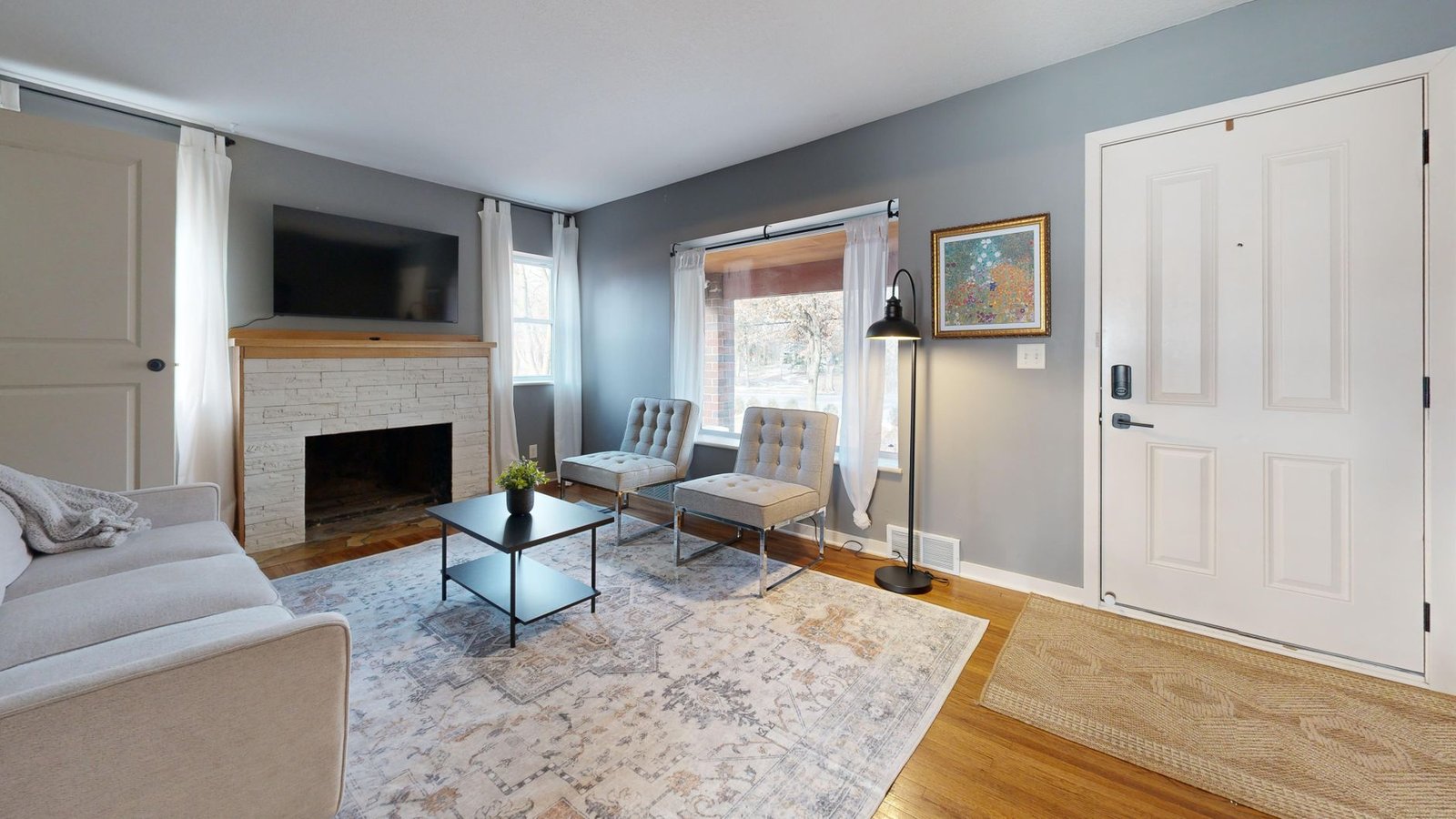
A perpetually dim living room can present a significant design challenge, often leaving the space feeling confined and uninviting. Addressing this requires a strategic approach that leverages both chromatic psychology and advanced illumination techniques. This article explores five impactful paint colors and essential lighting strategies, incorporating 2026 interior design trends, to transform even the darkest living area into a bright, welcoming sanctuary. The resident seeking to enhance their living environment will discover actionable insights to infuse vibrancy and openness into previously shadowed spaces.
Understanding the Challenge: Unpacking Dim Spaces
Before implementing solutions, it is crucial to understand why a living room might lack natural light. Factors commonly include the room’s geographical orientation, smaller window apertures, external architectural overhangs, or dense landscaping. Internally, existing dark finishes on walls, flooring, or heavy furniture can absorb available light, compounding the issue. Beyond aesthetics, the psychological impact of dimness can be profound; a lack of bright, inviting light often correlates with reduced comfort and a lower sense of well-being for the occupants.
Paint Colors for Illumination: 2026 Palette Trends
Strategic paint color selection is perhaps the most immediate and cost-effective method for brightening a dark room. For 2026, the emphasis remains on subtle, sophisticated hues with high Light Reflectance Value (LRV), often incorporating undertones that prevent starkness while maximizing light diffusion.
Pale, Warm Off-Whites
Moving beyond pure, clinical white, 2026 favors off-whites infused with delicate beige, greige, or even blush undertones. These colors reflect light beautifully without feeling cold or sterile. A popular choice includes a creamy ivory or a very light taupe-white, providing a soft glow that makes the space feel expansive and inviting. The subtle warmth helps counteract the inherent coolness often found in poorly lit rooms.
Soft, Muted Greys
When selecting grey, the key for dark rooms in 2026 is to choose extremely light, almost white greys. These should ideally possess either a barely perceptible cool blue undertone to enhance a sense of freshness or a warm, greige undertone to add an earthy comfort. Avoid mid-tone or dark greys, which will only exacerbate the dimness. A very pale silver-grey can provide a sophisticated backdrop that reflects ambient light.
Serene Pastels: Soft Blues & Greens
Nature-inspired pastels are a significant trend for 2026, particularly those with a high LRV. Soft, airy blues can mimic the sky, creating an illusion of boundless space and tranquility. Similarly, pale, sage-like greens or watery aquas align with the growing biophilic design movement, bringing the soothing qualities of nature indoors. These hues perform best when they are diluted, almost white-washed, ensuring they reflect light rather than absorb it. They are particularly effective in rooms that receive some indirect natural light.
Warm, Earthy Neutrals
For spaces where the homeowner desires more grounding warmth, very light sandy beiges, light terracotta-inspired hues, or muted ochres are gaining traction. These colors, when very pale, offer a comforting, inviting atmosphere while still bouncing light around the room. Their earthy quality adds depth without sacrificing brightness, perfectly balancing comfort with an open feel.
Reflective Finishes & Strategic Accents
The finish of the paint is as critical as the color. Opt for eggshell or satin finishes over matte, as their slight sheen significantly enhances light reflection. For added impact, consider a single accent wall in a very light, slightly pearlescent finish. This draws the eye and can act as a focal point, magnifying any available light.
Strategic Lighting Techniques: Illuminating the Space for 2026
Beyond paint, a well-conceived lighting plan is paramount. 2026 trends emphasize integrated, smart, and energy-efficient solutions that mimic natural light and provide flexibility.
The Power of Layered Lighting
Effective lighting design employs three layers:
- Ambient Lighting: This provides general illumination. Recessed LED downlights with wide beams are excellent for overall brightness. Cove lighting, integrated into architectural features, is another 2026 trend for diffused, even light that appears to emanate from the ceiling itself. Energy-efficient, tunable white LEDs, allowing adjustment from cool to warm light, are a standard for modern homes.
- Task Lighting: Essential for activities like reading or crafting. Floor lamps, table lamps, and even integrated shelf lighting should be strategically placed to illuminate specific areas without creating harsh shadows. Think sleek, minimalist designs with adjustable heads.
- Accent Lighting: Used to highlight architectural features, artwork, or decorative elements. Wall washers, picture lights, or small directional spotlights create visual interest and add depth, preventing the room from feeling flat.
Maximizing Natural Light
Even a dark room usually has some natural light source. Ensure windows are clean and free from heavy, dark draperies. Opt for sheer curtains or light-colored blinds that can be easily adjusted to allow maximum daylight penetration. For exceptionally dark interior rooms, advanced solutions like light tubes or solar tunnels, which channel daylight from the roof, are becoming more accessible and efficient for 2026 installations.
Smart Lighting Systems & Tunable Whites
A key trend for 2026 is the integration of smart home lighting systems. These allow residents to control brightness and color temperature (tunable white) via voice commands or smartphone apps. This capability enables the simulation of natural light cycles, known as circadian rhythm lighting, which promotes well-being and enhances the perception of brightness throughout the day. Automated scenes can transition the room from a bright, morning workspace to a warm, inviting evening lounge.
Strategic Fixture Placement & Modern Design
Consider up-lighting, where fixtures direct light upwards, bouncing it off the ceiling to create an illusion of height and general brightness. Wall-mounted sconces can also distribute light evenly. When selecting fixtures, look for designs that are minimalist, feature integrated LEDs, or are crafted from translucent or reflective materials. Slim profiles and sculptural forms are popular, ensuring fixtures enhance the aesthetic without cluttering the visual space.
Beyond Paint & Light: Reflective Elements & Design Principles
To further amplify light and spaciousness, consider incorporating reflective surfaces and thoughtful design choices.
- Mirrors as Light Multipliers: A strategically placed large mirror, ideally opposite a window or a light fixture, can dramatically increase perceived light and spatial depth. Ornate frames can also serve as decorative focal points.
- Glossy & Metallic Accents: Small doses of polished chrome, brushed brass, or glass elements in furniture legs, hardware, or decorative objects can catch and reflect light. High-gloss finishes on coffee tables or side tables also contribute to brightness.
- Light-Colored Textiles & Furnishings: Opt for sofas, rugs, cushions, and throws in lighter hues and textures. A large, light-colored rug can instantly brighten a floor, while lighter upholstery prevents the room from feeling heavy.
- Decluttering: An uncluttered space inherently feels visually lighter and larger. Regularly assessing and organizing possessions helps to maintain an airy, open atmosphere.
- Biophilic Touches: In line with 2026 trends, the integration of indoor plants in light-colored pots adds life and freshness. Plants with glossy leaves can also offer subtle light reflection, contributing to the overall brightness without absorbing significant light.
Transforming a dark living room into a radiant, inviting haven is an achievable goal for any homeowner. By thoughtfully applying contemporary paint color palettes, embracing layered and smart lighting solutions, and integrating reflective design elements, the resident can craft a space that feels significantly brighter, more expansive, and utterly comfortable. The careful blend of aesthetics and functionality, guided by 2026’s emphasis on natural connection and smart living, ensures a result that is both beautiful and highly functional.