
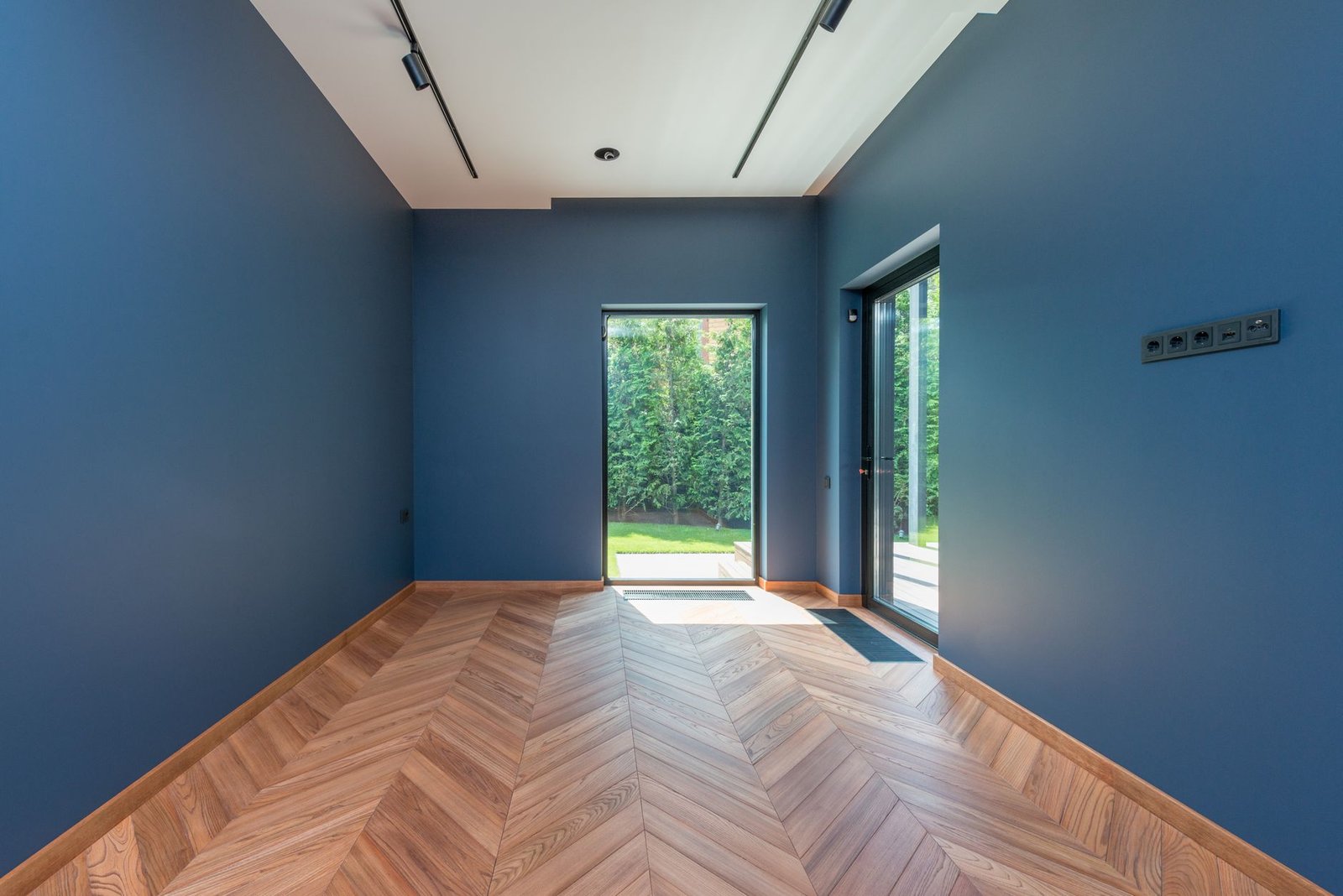
When confronting the challenge of a small, dark room, selecting the optimal paint color in 2026 is paramount for transforming the space. The best approach often involves strategic utilization of light, reflective shades, or, conversely, deeper, rich tones for psychological depth, with soft off-whites, pale blues, and light greens being primary considerations. The aim is not merely to lighten but to create an illusion of expanded space, enhance natural or artificial brightness, and significantly improve overall domestic comfort for the resident.
Understanding Light and Color in Compact Spaces
The inherent limitations of a small, dark room – restricted square footage and minimal natural light – necessitate a nuanced understanding of color theory and its psychological impact. The right paint color can significantly alter perception, making a confined area feel more expansive and inviting.
The Psychology of Illumination
Light is a fundamental element in interior design, and its interaction with painted surfaces dictates much of a room’s perceived character. Dark rooms, by their nature, absorb available light, diminishing brightness and making spaces feel smaller. Colors with high light reflectance values (LRV) are generally preferred as they bounce more light back into the room. Cool colors, such as blues and greens, are known to visually recede, giving the impression that walls are further away. Conversely, warm colors tend to advance, which can make a small room feel even more enclosed if not used judiciously. The objective is to leverage these psychological principles to counteract the spatial constraints, fostering an atmosphere of openness and tranquility.
2026 Material Innovations
The year 2026 brings exciting advancements in paint technology that directly benefit small, dark interiors. Leading manufacturers are focusing on formulations that enhance luminosity without relying on high-gloss sheens, which can sometimes produce unwanted glare. Modern material developments include:
- Micro-Sphere Technology: Paints incorporating microscopic ceramic or glass spheres that actively refract and diffuse light, leading to a brighter, more even illumination across surfaces.
- Advanced Pigment Blends: New pigment formulations offer superior light reflection with a sophisticated, ultra-matte finish, providing depth without absorbing light.
- Zero-VOC and Biophilic Compositions: Industry standards now lean heavily towards zero-VOC (Volatile Organic Compound) paints, ensuring healthier indoor air quality. Many 2026 paint lines also feature biophilic-inspired mineral pigments, offering natural, earthy undertones that connect residents to nature, aligning with contemporary wellness trends.