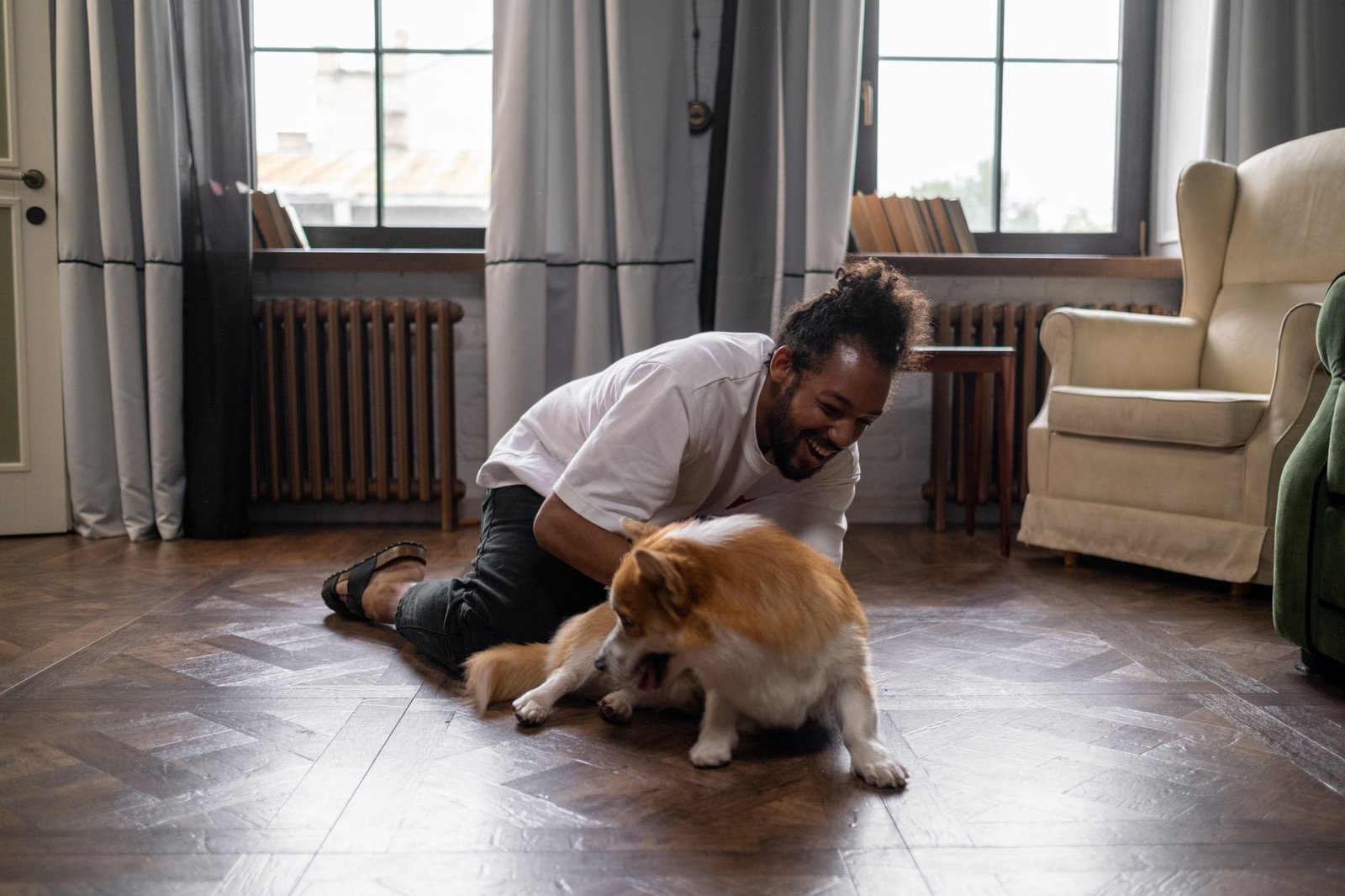
Choosing the ideal flooring for a home shared with pets in 2026 requires careful consideration of durability, maintenance, and aesthetics. While both solid hardwood and luxury vinyl plank (LVP) offer distinct advantages, LVP generally presents a more practical solution for households prioritizing extreme pet-friendliness against scratches and spills, particularly given modern material advancements. However, solid hardwood continues to offer an unparalleled classic appeal and long-term refinishing potential, making the ultimate decision dependent on the homeowner’s priorities and lifestyle.
Durability Against Paws and Play in 2026
The relentless activity of domestic animals poses a significant challenge to flooring. Assessing how each material withstands daily wear and tear is paramount.
Solid Hardwood: The Classic’s Challenge
Traditionally, solid hardwood has been a beautiful but somewhat vulnerable choice for pet owners. Claws, whether from playful puppies or senior companions, can leave unsightly scratches, and liquid accidents, if not addressed immediately, can lead to staining and warping. However, advancements by 2026 have introduced new considerations.
- Enhanced Finishes: Modern hardwood finishes incorporate advanced compounds like ceramic particles or robust aluminum oxide layers, significantly boosting scratch resistance compared to older generations. These sophisticated sealants offer a harder surface, making minor scuffs less noticeable.
- Janka Hardness: The inherent hardness of the wood species remains critical. Varieties like Brazilian Cherry or Hickory offer superior resistance to dents and scratches than softer woods like Pine. The homeowner might explore these harder options.
- Engineered Hardwood: While not solid, engineered hardwood offers increased dimensional stability against humidity fluctuations, which can be beneficial in homes where spills might occasionally occur. Many premium engineered options feature a thick wear layer that allows for one or two refinishings over its lifespan.
- Repairability: A major advantage of solid hardwood is its ability to be sanded and refinished multiple times throughout its lifespan. This allows for the complete removal of deep scratches and stains, restoring the floor to its original beauty, albeit at a cost and inconvenience.
Luxury Vinyl Plank (LVP): The Modern Contender
LVP has rapidly evolved into a frontrunner for pet-friendly homes, lauded for its resilience and practical benefits.
- Multi-Layered Construction: LVP is engineered with a core layer (often Stone Polymer Composite or Wood Polymer Composite for rigidity), a high-definition print layer for aesthetics, and a robust wear layer on top. This construction provides excellent impact resistance.
- Superior Wear Layers: By 2026, the quality and thickness of LVP wear layers have dramatically improved. Homeowners can find options with wear layers of 20 mil or higher for residential use, and even 30 mil for commercial-grade resilience, offering exceptional resistance to scratches, scuffs, and dents from pet claws and toys.
- Waterproof Properties: A critical advantage for pet owners is LVP’s inherent waterproof nature. Spills, pet accidents, and tracked-in moisture do not penetrate the surface, preventing subfloor damage and bacterial growth.
- Durability Nuances: While highly scratch-resistant, LVP can, in rare cases, suffer from deep gouges if sharp objects are dragged across it. Unlike hardwood, these cannot be sanded out. However, individual planks can often be replaced if damage occurs, a less intrusive repair than refinishing an entire floor.
Maintenance and Spill Management for Pet Owners
The effort required to keep flooring looking pristine is a significant factor, especially when dealing with the unpredictable nature of pets.
Hardwood’s Demands
Maintaining solid hardwood in a pet-friendly home requires diligence.
- Specific Cleaning Protocols: Hardwood floors require specialized cleaners and methods. Excessive moisture should be avoided, and spills must be wiped up immediately to prevent water damage and staining.
- Pet Accidents: Urine and other pet accidents can penetrate the wood and cause dark stains and lingering odors if not cleaned very quickly and thoroughly. Enzymatic cleaners are often necessary for effective odor and stain removal, but complete eradication can be challenging if penetration occurs.
- Long-Term Refinishing: While a benefit for repair, periodic refinishing (typically every 7-15 years, depending on traffic) is a substantial undertaking, requiring temporary relocation or extensive preparation.
LVP’s Low-Effort Appeal
LVP offers a far more forgiving and low-maintenance solution for pet owners.
- Effortless Cleaning: Regular cleaning involves simple sweeping, vacuuming, and damp mopping with a mild, all-purpose cleaner. No special products or tools are typically required.
- Waterproof Assurance: The non-porous surface of LVP means pet accidents sit on top, allowing for easy cleanup without fear of staining, odors soaking into the material, or subfloor damage. This makes LVP an excellent choice for areas prone to spills.
- No Refinishing: LVP never requires sanding or refinishing. Its protective wear layer maintains its integrity over time with basic cleaning.
Aesthetics and Resale Value: A Visual Comparison
Beyond functionality, the visual impact and long-term investment value of flooring are key considerations.
Solid Hardwood’s Timeless Elegance
Hardwood offers a classic, natural beauty that is difficult to replicate fully.
- Authentic Character: Each plank of solid hardwood possesses unique grain patterns and natural variations, contributing to an authentic warmth and richness that evolves over time.
- Design Versatility: Available in a vast array of wood species, stain colors, and finishes (from ultra-matte to high-gloss), hardwood can complement any interior design style, from traditional to ultra-modern.
- Resale Value: Historically, solid hardwood floors are considered a premium upgrade that significantly enhances a home’s market value and buyer appeal. A well-maintained hardwood floor is a major selling point.
- 2026 Aesthetic Trends: Current trends favor wider planks, lighter natural wood tones, and wire-brushed or hand-scraped textures. These styles not only look contemporary but can also be more forgiving in terms of hiding minor scratches and dings from pets.
LVP’s Evolving Realism
LVP has made incredible strides in emulating natural materials, offering sophisticated aesthetics at a more accessible price point.
- Hyper-Realistic Visuals: Thanks to advanced high-definition printing and embossed-in-register (EIR) technology, LVP planks by 2026 can mimic the look and feel of various wood species or natural stone with remarkable accuracy, including textured grain patterns that align with the visual design.
- Extensive Design Options: The manufacturing process allows for immense design flexibility. LVP is available in a multitude of plank sizes, colors, and patterns, offering looks that might be cost-prohibitive or impractical in natural materials, such as exotic woods or large-format stone.
- Perceived Value: While traditionally not carrying the same resale value boost as solid hardwood, modern, high-quality LVP is increasingly recognized as a premium, durable, and attractive flooring option, particularly in active family homes. Its benefits often outweigh the historical perception.
- 2026 Aesthetic Trends: Large format planks, creative laying patterns (e.g., herringbone), and visuals replicating European oaks or concrete are popular. Manufacturers are also focusing on integrated sound-dampening layers and sustainable production, adding to the material’s appeal.
In conclusion, for homeowners prioritizing utmost durability against pet-related wear and tear, coupled with minimal maintenance and waterproof assurance, luxury vinyl plank stands out as the optimal choice in 2026. Its advancements in realism and protective features make it an exceptionally practical solution. However, for those who value the irreplaceable warmth, unique character, and long-term investment potential of natural wood, and are prepared for the associated maintenance, solid hardwood remains a classic and rewarding option. The decision ultimately rests on balancing lifestyle needs with aesthetic desires and budget considerations.