
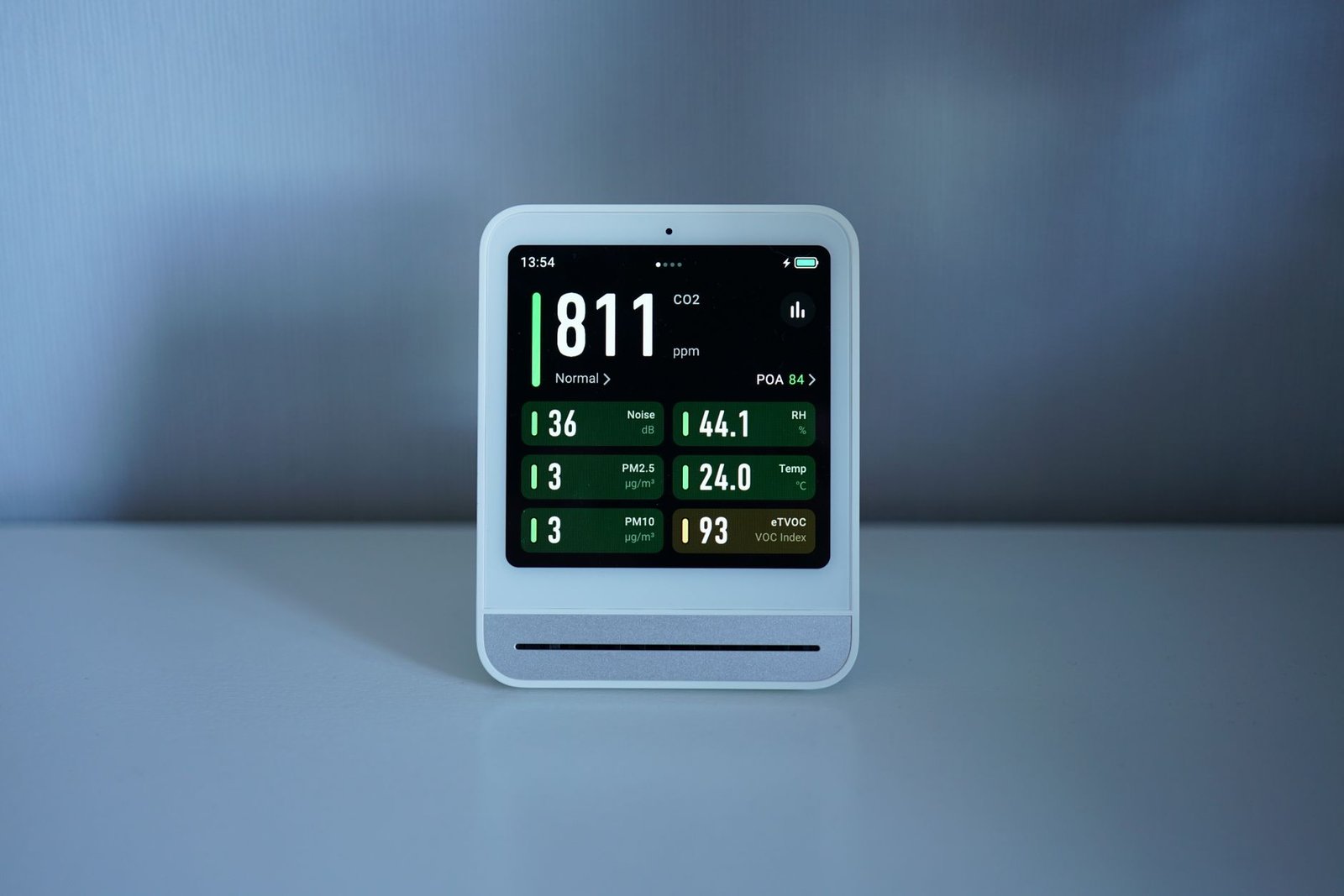
For homeowners grappling with allergies, selecting the optimal air purification system remains a critical task in 2026. While both HEPA and activated carbon air purifiers offer distinct advantages, HEPA filtration is unequivocally superior for directly combating airborne allergens such as pollen, dust mites, pet dander, and mold spores. Activated carbon, conversely, excels at removing gases, odors, and volatile organic compounds (VOCs) that, while not direct allergens, can significantly exacerbate respiratory sensitivities. The most comprehensive approach for allergy relief and improved indoor air quality often involves a unit combining both technologies.
Understanding HEPA Filtration: The Allergy Specialist
High-Efficiency Particulate Air (HEPA) filters are the gold standard for capturing microscopic airborne particles. Developed for sensitive applications, true HEPA filters are designed to trap at least 99.97% of particles that are 0.3 microns in diameter. This includes a vast majority of common allergens.
How HEPA Works
HEPA filters function through a network of intricately woven glass fibers that create a tortuous path for air. Particles are trapped through three primary mechanisms: impaction for larger particles, interception for mid-sized particles, and diffusion for ultra-fine particles. This passive, mechanical filtration ensures that airborne contaminants, once captured, remain embedded within the filter material.
HEPA’s Efficacy Against Allergens
The core strength of HEPA lies in its direct attack on allergy triggers. Typical indoor allergens such as:
- Pollen: Ranging from 10 to 100 microns, easily captured.
- Dust Mites and their Feces: Around 10-40 microns, a primary indoor allergen effectively removed.
- Pet Dander: Microscopic flakes (0.5 to 100 microns) that trigger pet allergies, readily caught.
- Mold Spores: Varies in size (2 to 100 microns), prevented from circulating.
By removing these particulate culprits, HEPA purifiers directly reduce allergen load in the indoor environment, leading to significant relief for allergy sufferers.
2026 HEPA Innovations
In 2026, HEPA technology has seen advancements focused on sustainability, longevity, and efficiency. Modern HEPA filters often incorporate lower pressure-drop designs, allowing purifiers to operate more quietly and consume less energy while maintaining high airflow rates. Antimicrobial coatings are increasingly common, preventing microbial growth within the filter media itself, which is crucial for maintaining filter hygiene over extended periods. Furthermore, some high-end residential units feature modular, easily replaceable filter segments made from sustainably sourced, recycled materials, reducing environmental impact.
Understanding Activated Carbon Filtration: The Odor and Gas Eliminator
Activated carbon filters operate on a fundamentally different principle than HEPA filters. Instead of physically trapping particles, activated carbon utilizes a process called adsorption.
How Activated Carbon Works
Activated carbon is a highly porous material, typically made from coconut shells, wood, or coal, that has been treated to create millions of tiny pores. These pores provide an immense surface area (a single gram can have a surface area equivalent to several tennis courts). As air passes through the filter, gaseous molecules, odors, and VOCs are chemically attracted to and adhere to the carbon’s surface. This process effectively removes them from the air stream.
Activated Carbon’s Role Beyond Allergens
While invaluable for overall indoor air quality, activated carbon’s direct impact on allergies is less pronounced than HEPA’s. It primarily targets:
- Volatile Organic Compounds (VOCs): Released from paints, cleaning products, new furniture, and building materials (e.g., formaldehyde, benzene). While not allergens, VOCs can irritate respiratory systems, exacerbating allergy symptoms for sensitive individuals.
- Odors: Pet odors, cooking smells, smoke, and general stale air.
- Gases: Including some harmful industrial pollutants that may infiltrate homes.
For a resident sensitive to chemical triggers or bothered by persistent odors, activated carbon is indispensable.
2026 Activated Carbon Innovations
Current 2026 trends in activated carbon include filters with enhanced pore structures, designed for even greater adsorption capacity and longevity. There’s a growing focus on impregnated carbon filters, where the carbon is treated with specific chemicals to target and neutralize particular gases, such as ammonia or sulfur compounds, making them more effective against a broader range of indoor pollutants. Sustainable sourcing of raw materials, such as biochar-based carbons, is also gaining traction, aligning with broader eco-conscious homeowner preferences.
HEPA vs. Activated Carbon for Allergy Relief: The Synergistic Approach
When directly addressing the question of which technology is