
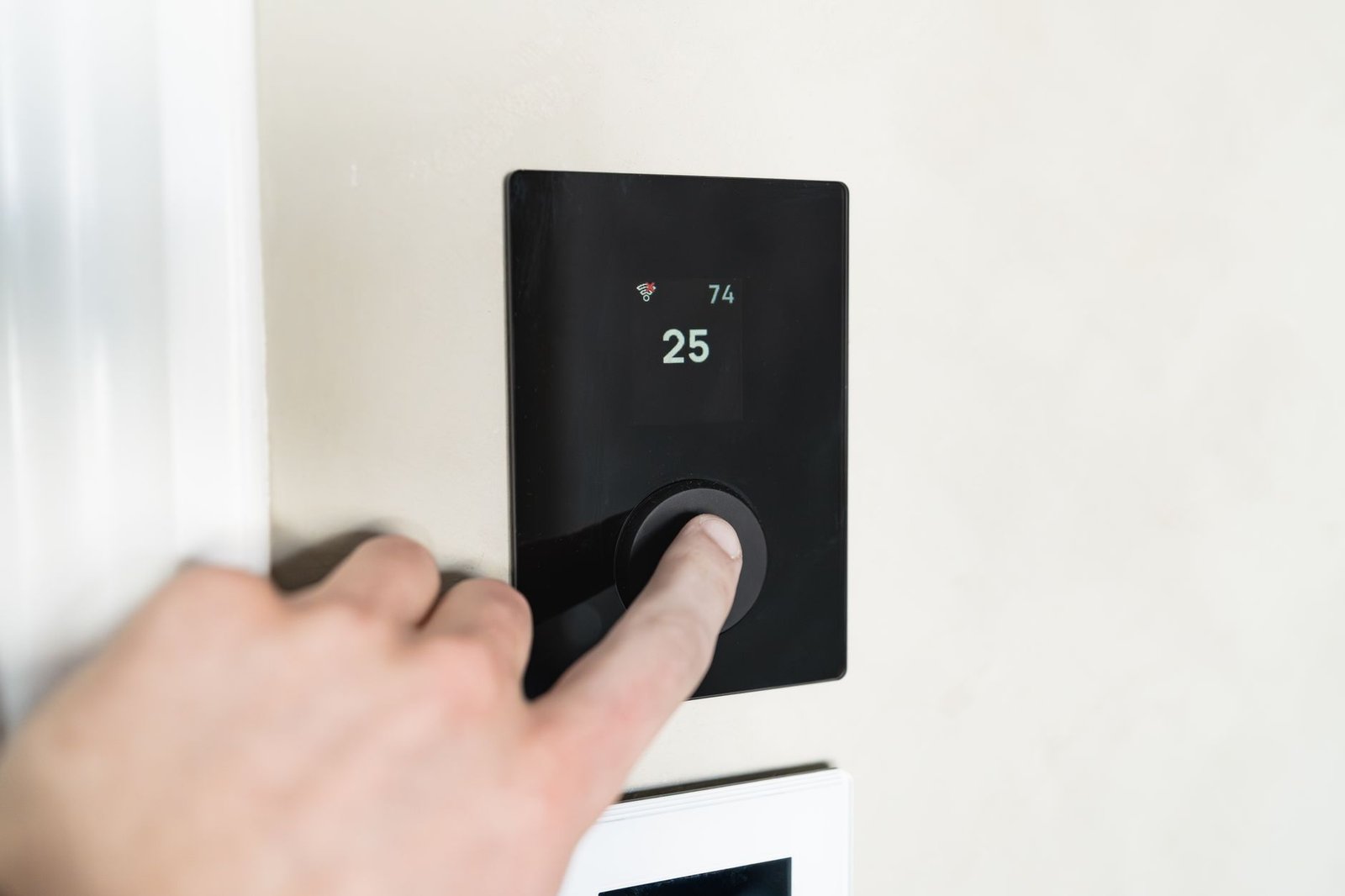
In the rapidly evolving landscape of smart home technology, choosing the right climate control solution is paramount for achieving optimal domestic comfort and energy efficiency. As of 2026, the question of whether the Google Nest Thermostat or the Amazon Smart Thermostat offers superior integration capabilities largely depends on the homeowner’s existing smart home ecosystem. While both devices leverage the mature Matter protocol for broader compatibility, deep native integration with either the Google Home or Amazon Alexa platform remains a significant differentiator.
The Evolving Smart Home Landscape in 2026
The year 2026 finds smart home technology profoundly integrated into daily living, characterized by ubiquitous connectivity and advanced predictive analytics. The widespread adoption and maturation of the Matter protocol have significantly streamlined cross-platform device communication, fostering a more interconnected smart home environment. However, true seamlessness often extends beyond basic interoperability, delving into sophisticated routines, voice command nuances, and data sharing within a native ecosystem.
Contemporary homes also benefit from advancements in material science. Enhanced building envelopes featuring next-generation insulation (e.g., aerogel-infused composites, dynamic phase-change materials) and smart fenestration dynamically respond to external conditions. This shifts the role of the smart thermostat from reactive temperature control to proactive, predictive climate orchestration, often leveraging AI to anticipate comfort needs and optimize energy usage based on external weather patterns, internal occupancy, and even local energy grid demands.
AI-Driven Comfort and Efficiency
Both Google Nest and Amazon have invested heavily in artificial intelligence, moving beyond simple scheduling. In 2026, these thermostats utilize advanced machine learning to understand individual comfort preferences, adapt to seasonal changes, and optimize HVAC operations. This includes integrating with occupant tracking systems (e.g., through smart sensors or anonymized Wi-Fi presence detection) and even predicting appliance usage to preemptively adjust climate conditions.
Google Nest Thermostat: Ecosystem Integration in 2026
For homeowners firmly established within the Google ecosystem, the Google Nest Thermostat continues to offer unparalleled integration. Its core strength lies in its profound connection with Google Home and Google Assistant. This allows for seamless voice control, intuitive automation routines with other Nest devices (such as cameras, doorbells, and smoke detectors), and comprehensive management through the Google Home application.
- Native Google Home Experience: The Nest Thermostat’s deepest feature set is unlocked when paired with Google Home, offering advanced geofencing, detailed energy usage reports, and intelligent ‘Home/Away Assist’ functions that learn and adapt over time.
- Matter Protocol Enhancement: While Nest devices historically operated within their own ecosystem, the 2026 landscape sees the Nest Thermostat fully embracing Matter. This enables it to communicate and be controlled by other Matter-compatible hubs, including Amazon Echo devices, albeit with potentially reduced native feature depth when operating outside the Google Home app.
- Predictive Intelligence: Nest’s established algorithms for learning temperature preferences, combined with Google’s broader AI capabilities, provide highly personalized climate control, often anticipating needs before they are explicitly requested.
- Synergy with Android: For users primarily operating Android devices, the integration with the Nest Thermostat often feels more cohesive, with widgets, notifications, and quick controls readily accessible.
Integration Depth and User Experience
The Nest Thermostat excels in providing a unified comfort experience. Its integration extends to smart vents, zone control systems, and even some smart appliance scheduling, orchestrating a holistic environment. The user interface, both on the device and within the Google Home app, is known for its clarity and accessibility, making complex climate management straightforward for the resident.
Amazon Smart Thermostat: Ecosystem Integration in 2026
The Amazon Smart Thermostat presents a compelling case for homeowners whose smart environments are anchored by Amazon Alexa and Echo devices. Developed in collaboration with Resideo (the makers of Honeywell Home thermostats), it offers a cost-effective yet robust solution that prioritizes voice command and routine automation within the Alexa framework.
- Alexa-First Approach: Its primary advantage is flawless integration with Amazon Alexa. Residents can control temperature, switch modes, and access climate insights purely through voice commands to any Echo device. This deep integration allows for complex routines tied to other Alexa-enabled devices, such as turning off lights and adjusting the thermostat when leaving the house.
- Matter Protocol Enhancement: Similar to Nest, the Amazon Smart Thermostat is fully Matter-compliant in 2026, expanding its interoperability beyond the Alexa ecosystem. This means it can be controlled by Google Home or Apple HomeKit hubs, providing foundational climate control but typically relying on the Alexa app for its full feature set and advanced settings.
- Affordability and Accessibility: Often positioned as a highly accessible entry point into smart climate control, the Amazon Smart Thermostat appeals to residents looking for strong Alexa integration without premium pricing.
- Integration with Amazon Devices: Its synergy extends to Ring security systems, Eero Wi-Fi mesh networks, and other Amazon-owned smart home brands, allowing for interconnected home automation scenarios.
Integration Depth and User Experience
The Amazon Smart Thermostat thrives on the power of the Alexa platform for automation. Its strength lies in enabling robust routines, such as linking temperature adjustments to smart blinds opening or closing, or integrating with occupancy sensors to save energy. The Alexa app serves as the central control panel, offering a familiar interface for managing all smart home devices.
Key Integration Factors for Homeowners in 2026
When selecting between these two leading smart thermostats in 2026, several critical factors warrant consideration:
- Existing Smart Home Ecosystem: This is arguably the most significant determinant. A home deeply invested in Google Home and Assistant will find Nest a more natural and feature-rich choice. Conversely, an Alexa-centric home will benefit most from the Amazon Smart Thermostat.
- Voice Assistant Preference: The resident’s preferred voice assistant (Google Assistant or Amazon Alexa) dictates the most intuitive control experience.
- Matter Protocol Utilization: While both support Matter, the depth of features exposed to non-native controllers can vary. Native ecosystem apps often provide more granular control and advanced settings.
- AI and Predictive Capabilities: Both offer advanced AI, but their approaches to learning and optimization can differ. Nest’s ‘learning’ capabilities are a long-standing hallmark, while Amazon’s relies more heavily on user-defined routines and integration with Alexa’s broader smart home intelligence.
- Energy Management Features: Consider how each device integrates with local utility programs, demand response initiatives, and provides actionable energy-saving insights. Both platforms offer robust energy monitoring, critical for modern sustainable living.
- Privacy and Data Handling: Homeowners should review each company’s stance on data privacy and how climate data is collected and utilized for personalization and service improvement.
Choosing the Right Smart Thermostat for Optimal Integration
In 2026, the decision between the Google Nest Thermostat and the Amazon Smart Thermostat boils down to aligning with the dominant smart home platform already established within the residence. For residents with a robust Google Home setup, the Google Nest Thermostat offers a richer, more integrated experience with its deep learning capabilities and seamless Google Assistant control. Its ecosystem provides a cohesive approach to comfort and energy management.
Conversely, for homeowners with an Amazon Alexa-dominated smart home, the Amazon Smart Thermostat provides excellent value and effortless integration with existing Echo devices and Alexa routines. Its strength lies in its voice command prowess and its ability to orchestrate complex automations within the Alexa ecosystem.
While the Matter protocol has undeniably bridged many compatibility gaps, facilitating basic control across platforms, the ultimate depth of features, ease of advanced automation, and the richness of the user experience are still often maximized by choosing a thermostat that is native to the primary smart home ecosystem. Therefore, the most integrated solution is the one that best complements the home’s existing smart infrastructure.