In 2026, homeowners continue to seek distinctive wall treatments that elevate interior aesthetics and functionality. The debate between wood slat accent walls and shiplap remains prominent, with both options offering unique benefits to a space. While wood slat designs are increasingly favored for their modern architectural appeal and inherent depth, shiplap retains its classic charm and textured versatility, making the optimal choice dependent on the specific design vision and functional requirements of the home.
Aesthetic Appeal and Design Versatility in 2026
The visual impact of a wall treatment is paramount, and both wood slats and shiplap offer distinct stylistic contributions. Understanding these differences, particularly in the context of current and emerging 2026 design trends, is crucial for selecting the appropriate option.
Wood Slat Accent Walls: Modernity and Depth
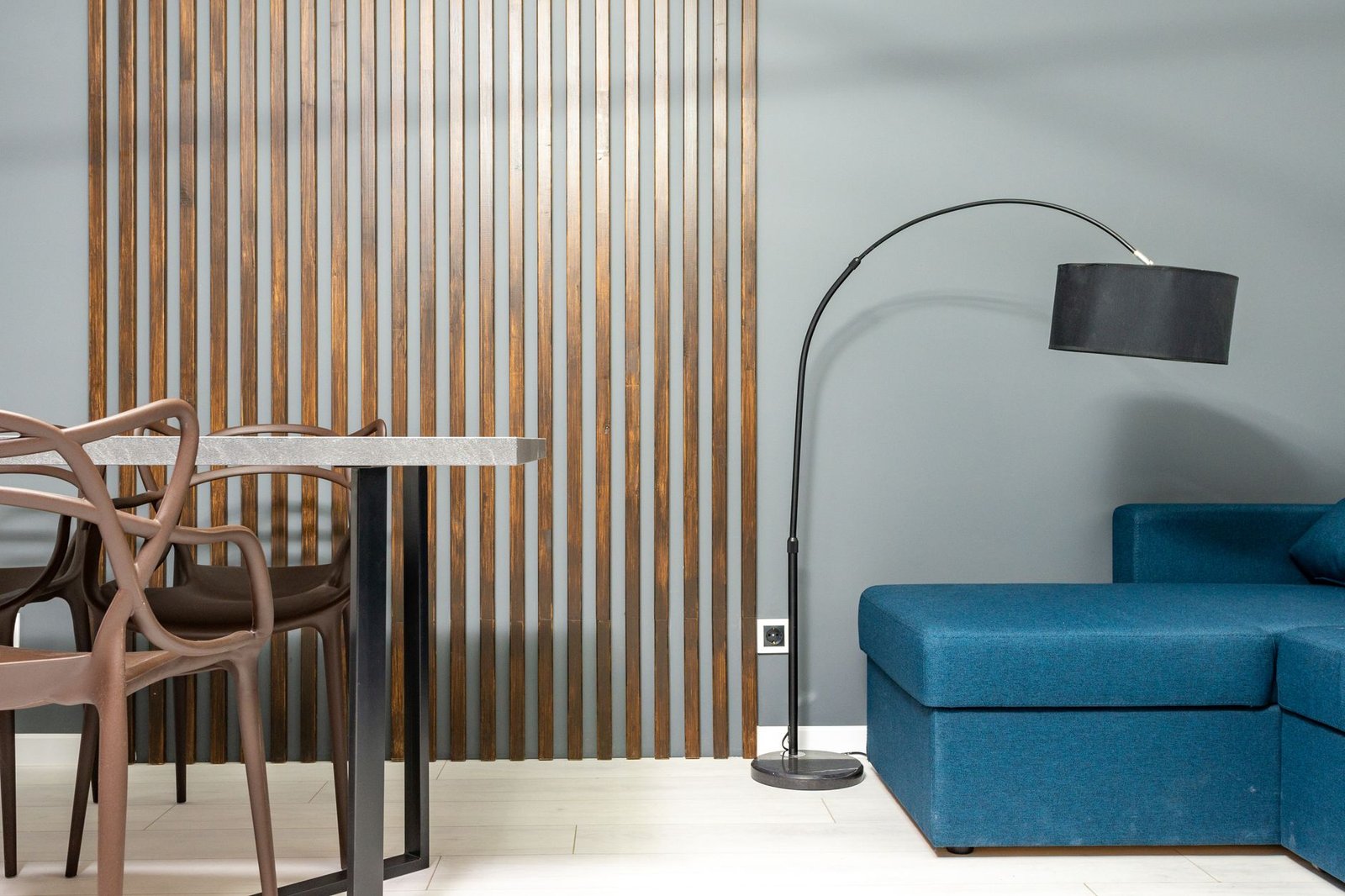
Wood slat accent walls are a hallmark of contemporary design, providing a sophisticated architectural element that adds texture, shadow play, and a sense of verticality or horizontality. In 2026, the trend has evolved to embrace wider slats, often ranging from 2 to 4 inches, which create a bolder statement and reduce visual clutter. Material developments include engineered wood products that offer enhanced durability and stability, as well as reclaimed or sustainably sourced timber for an eco-conscious approach. Furthermore, integrated lighting within the slat channels and acoustic felt backing are popular enhancements, providing not only visual interest but also improved sound dampening qualities. The play of light and shadow across the dimensional surface creates a dynamic backdrop that shifts throughout the day, imbuing a space with understated elegance. This style is particularly effective in minimalist, Scandinavian, or biophilic-inspired interiors, connecting residents with natural elements through structured design.
- Architectural Interest: Creates strong lines and visual rhythm.
- Depth and Dimension: Adds sculptural quality to flat walls.
- Material Innovation: Utilizes engineered wood, recycled materials, and acoustic backings.
- Trend Adaptability: Pairs well with modern, minimalist, and smart home integrations.
Shiplap: Timeless Texture and Coastal Charm
Shiplap continues its reign as a beloved wall treatment, celebrated for its ability to infuse warmth, texture, and a touch of rustic or coastal charm into any room. While traditionally associated with farmhouse aesthetics, 2026 trends see shiplap diversifying beyond classic white. Darker, moodier paint colors such as deep greens, charcoals, and even rich navies are gaining traction, offering a more sophisticated and contemporary take on the style. Vertical shiplap installations are also increasingly popular, particularly in rooms with lower ceilings, as the upward lines draw the eye, creating an illusion of height. Modern shiplap often features tighter gaps between planks for a cleaner, more refined look, and smoother finishes are preferred over heavily distressed ones. The simplicity of its lines provides a versatile backdrop that can complement various interior design schemes, from Hamptons-inspired coastal retreats to modern transitional spaces.
- Classic Appeal: Offers a sense of history and comfort.
- Textural Warmth: Adds subtle depth without being overtly dimensional.
- Color Versatility: Adapts to a wide range of paint colors beyond traditional white.
- Application Flexibility: Can be installed horizontally or vertically to alter perceived room dimensions.
Installation Considerations and Material Developments
The ease and complexity of installation are significant factors for homeowners when deciding between these two wall treatments. Advancements in materials and installation systems continue to influence project feasibility.
Wood Slat Installation: Precision and Professionalism
Installing a wood slat accent wall typically requires a higher degree of precision and attention to detail. Individual slats must be evenly spaced and level, which can be time-consuming. However, 2026 has seen the proliferation of pre-fabricated wood slat panels. These panels, often consisting of multiple slats already affixed to a backing, significantly streamline the installation process, making it more accessible for a skilled DIY enthusiast or faster for professional installers. These panels frequently incorporate sound-absorbing felt backings, adding an acoustic benefit without extra steps. While cutting and fitting around obstacles still demands care, the overall process is less intricate than installing individual slats. The material costs for quality wood slats or pre-made panels can be higher than shiplap, reflecting their architectural complexity and often superior wood types or finishes.
Shiplap Installation: Accessibility and Simplicity
Shiplap is generally considered more forgiving and straightforward to install, making it a popular choice for homeowners undertaking DIY projects. The planks typically feature a rabbet joint that allows them to overlap and interlock, simplifying spacing and ensuring a consistent appearance. Fasteners are often concealed, contributing to a clean finish. While traditional shiplap requires individual plank installation, the process is less about precise spacing and more about ensuring the planks are level and securely attached. Material developments in 2026 include lightweight composite shiplap planks that are easier to handle and resistant to warping, offering greater durability in humid environments. These composite options can also be pre-primed or pre-painted, further reducing installation time. The lower material cost and simpler installation process often translate to a more budget-friendly project overall.
Maintenance and Longevity in Modern Homes
Long-term maintenance is an important consideration, as it impacts the enduring appeal and condition of the chosen wall treatment.
Wood Slat Wall Maintenance: Dust and Refinishing
The open nature of wood slat walls, particularly those with deeper gaps, can pose a challenge for dust accumulation. Regular dusting with a specialized narrow brush attachment or a microfiber cloth is necessary to keep the surfaces clean. For natural wood slats, periodic cleaning and, over time, potential refinishing or re-oiling may be required to maintain the wood’s luster and protect it from environmental wear. Engineered wood slats with durable factory finishes often require less intensive maintenance, typically only needing occasional wiping. Any damage to individual slats may necessitate replacement, which can be more complex if the slats are custom-sized or part of an integrated panel system. However, the inherent robustness of wood ensures significant longevity when properly cared for.
Shiplap Maintenance: Ease of Cleaning and Repainting
Shiplap’s relatively flat and continuous surface makes it simpler to clean compared to wood slats. Dust and spills can be easily wiped away with a damp cloth. The biggest maintenance consideration for shiplap, especially painted varieties, is occasional repainting to refresh the look or repair scuffs. For residents who enjoy updating their interior color schemes, shiplap provides an excellent canvas for periodic transformations. Minor damages to individual planks can often be repaired with wood filler and paint, or a single plank can be replaced if necessary. The durability of shiplap, particularly modern composite versions, ensures a long lifespan with minimal fuss. Residents often find the upkeep of shiplap to be less demanding on a day-to-day basis.
Which Trend is Better for 2026 Homes?
The decision between a wood slat accent wall and shiplap ultimately hinges on the specific design objectives, desired aesthetic, and practical considerations of the homeowner in 2026. For a home aiming for a truly modern, architectural, and sophisticated ambiance with added depth and potential acoustic benefits, the wood slat accent wall is often the superior choice. Its ability to integrate with smart home technologies and align with biophilic design principles makes it a forward-thinking option. Conversely, for residents seeking timeless charm, versatile texture, and a more approachable aesthetic that can range from cozy traditional to subtly contemporary, shiplap remains an excellent solution. Its ease of installation and maintenance, combined with its enduring popularity and adaptability to various color palettes, ensures its continued relevance. The optimal selection therefore reflects the unique personality of the space and the lifestyle preferences of its occupants, ensuring the chosen wall treatment enhances both visual appeal and domestic comfort for years to come.