
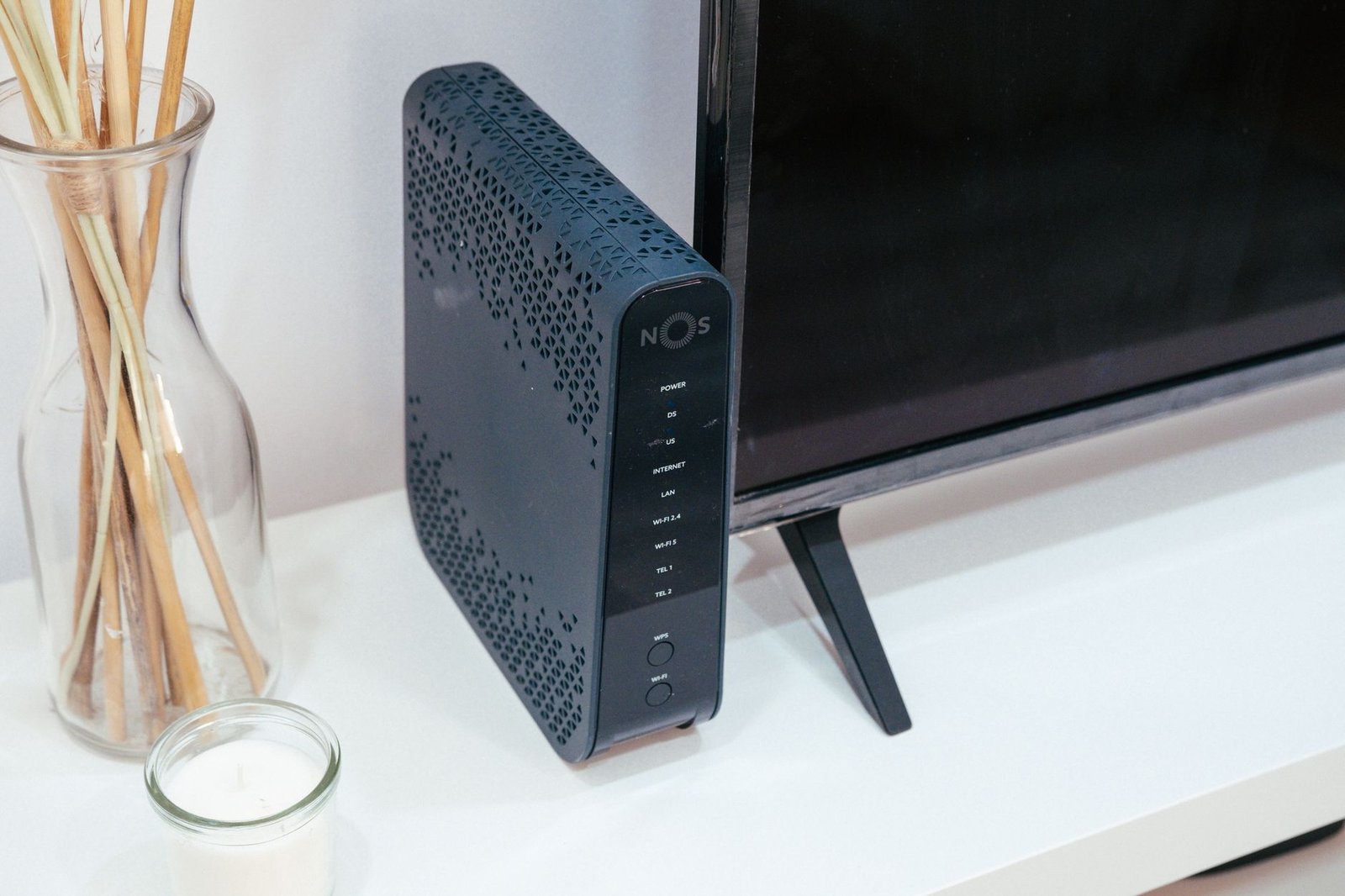
For large smart homes in 2026, the choice between Wi-Fi 6 technology and dedicated Mesh Wi-Fi systems often depends on specific needs, but a Wi-Fi 6-enabled mesh system frequently presents the superior solution for comprehensive coverage, high device density, and robust performance. While Wi-Fi 6 enhances individual device performance and network efficiency within its coverage area, Mesh Wi-Fi excels at delivering seamless, expansive coverage throughout an entire property. The optimal strategy for the modern smart home environment often involves a synergistic deployment leveraging the strengths of both.
As residential spaces continue to integrate an unprecedented number of connected devices—from advanced climate control and smart lighting to sophisticated security systems and augmented reality entertainment platforms—the underlying network infrastructure becomes a critical component of domestic comfort and functionality. This analysis will guide homeowners through the benefits and drawbacks of each approach, offering insights relevant to the technological landscape of 2026.
Understanding Wi-Fi 6 in 2026
Wi-Fi 6, also known as 802.11ax, represents a significant leap in wireless networking, designed not just for speed, but primarily for efficiency and capacity. By 2026, Wi-Fi 6 has become the established standard for new devices, with its successor Wi-Fi 6E (utilizing the 6GHz band) and the emerging Wi-Fi 7 (802.11be, or Extremely High Throughput) gaining traction in high-performance niches. However, Wi-Fi 6 remains the bedrock for most mainstream smart home applications.
Key Advancements of Wi-Fi 6
- Orthogonal Frequency Division Multiple Access (OFDMA): This technology is a game-changer for smart homes, allowing a single channel to be shared by multiple devices simultaneously. Instead of devices waiting their turn to transmit data, OFDMA divides channels into smaller frequency units, enabling more efficient data transmission to numerous low-bandwidth smart devices (e.g., sensors, smart plugs) without lag.
- Multi-User Multiple Input, Multiple Output (MU-MIMO): Improved from previous generations, Wi-Fi 6’s MU-MIMO allows a router to communicate with more devices concurrently, significantly boosting efficiency in environments with many concurrent users or devices streaming data.
- Target Wake Time (TWT): TWT enables devices to negotiate when and how often they will wake up to send or receive data, prolonging battery life for low-power IoT sensors and devices, a crucial factor for sustainable smart home ecosystems.
- WPA3 Security: Offering enhanced encryption and protection against brute-force attacks, WPA3 provides a stronger security posture for the increasing array of personal data flowing through smart home networks.
Benefits for Smart Homes
For a single-access point setup, Wi-Fi 6 offers several advantages. It dramatically increases network capacity, making it ideal for homes with a high density of smart devices, where it can handle dozens or even hundreds of connections without performance degradation. Lower latency is another key benefit, critical for real-time applications like security camera feeds, voice assistants, and responsive smart home automation routines. Furthermore, the robust performance of Wi-Fi 6 means that even bandwidth-intensive tasks, such as 8K video streaming or advanced gaming, coexist harmoniously with numerous background smart device operations.
Limitations of a Standalone Wi-Fi 6 Router
Despite its efficiency, a single Wi-Fi 6 router still operates under the fundamental laws of physics regarding signal propagation. Large homes, especially those with multiple stories, thick walls (e.g., concrete, brick, or modern sound-damping materials prevalent in 2026 construction), or architectural obstructions (such as advanced insulation materials or integrated smart appliances), will inevitably encounter dead zones or areas with significantly reduced signal strength. While a powerful Wi-Fi 6 router can cover a substantial area, it cannot overcome these physical barriers to provide truly ubiquitous, high-speed connectivity across an entire expansive property.
Understanding Mesh Wi-Fi in 2026
Mesh Wi-Fi systems consist of multiple network devices (a main router and several satellite nodes or access points) that communicate with each other to form a single, unified Wi-Fi network. By 2026, mesh technology has matured considerably, offering robust solutions for whole-home coverage and ease of management.
Core Principles and Evolution
- Whole-Home Coverage: Mesh systems eliminate dead zones by distributing Wi-Fi signals strategically throughout a property. Each node acts as a relay, extending the network’s reach far beyond a single router.
- Seamless Roaming: Devices automatically switch between the strongest available node as the resident moves around the home, ensuring uninterrupted connectivity for video calls, streaming, and smart device control without manual intervention or network drops.
- Simplified Setup and Management: Modern mesh systems are renowned for their user-friendly installation, often managed via a smartphone app that guides the homeowner through placement and configuration. AI-driven network optimization features, common by 2026, can automatically adjust channel selection and power output for optimal performance.
- Dedicated Backhaul: Many advanced mesh systems in 2026 feature a dedicated wireless band (often a third or fourth band) for communication between the mesh nodes themselves. This ‘backhaul’ prevents congestion on the bands used by client devices, ensuring faster speeds and more stable connections throughout the entire network.
Benefits for Large Smart Homes
The primary advantage of mesh Wi-Fi for large smart homes is its unparalleled ability to provide consistent, high-speed coverage everywhere. This is crucial for maintaining the functionality of distributed smart home elements—such as outdoor lighting systems, garden irrigation controlled by smart sensors, or smart security cameras located at the furthest points of a property. For residents prioritizing seamless connectivity and ubiquitous access for all smart devices, mesh systems are invaluable. They are also highly scalable; additional nodes can be easily added as the property expands or as new connectivity demands arise.
Limitations of Traditional Mesh Systems
Older or basic mesh systems, particularly those without dedicated backhaul, could sometimes suffer from reduced speeds further away from the main router due to the nodes having to both receive and re-broadcast signals on the same band. While this issue is largely mitigated by advanced tri-band and quad-band mesh systems in 2026, it is a consideration for homeowners evaluating older hardware. Additionally, while offering exceptional coverage, the per-device efficiency and raw throughput benefits of Wi-Fi 6 were not inherently part of earlier mesh implementations.
The Synergistic Solution: Wi-Fi 6-Enabled Mesh Systems
By 2026, the discussion is less about choosing between Wi-Fi 6 *or* Mesh, but rather about deploying a Wi-Fi 6-enabled mesh system. This combination leverages the strengths of both technologies, offering an optimal solution for the vast majority of large smart homes.
Such systems provide:
- Expanded Wi-Fi 6 Performance: The efficiency and capacity benefits of Wi-Fi 6 (OFDMA, MU-MIMO, TWT) are extended across the entire property via multiple mesh nodes. This means every smart device, regardless of its location, can benefit from the improved throughput and reduced latency that Wi-Fi 6 offers.
- Robust Backhaul: Many Wi-Fi 6 mesh systems utilize a dedicated Wi-Fi 6 band (e.g., 5GHz or even 6GHz with Wi-Fi 6E mesh) for robust communication between nodes, ensuring that the excellent speeds offered by Wi-Fi 6 are maintained across the network, even at the edge of the mesh coverage.
- Future-Proofing: Investing in a Wi-Fi 6 mesh system in 2026 prepares the home for the ongoing influx of smart devices and higher bandwidth demands, offering a stable platform for emerging technologies like advanced AR/VR applications, localized AI processing, and ultra-high-definition content delivery throughout the entire living space.
Factors for the Homeowner’s Decision
When selecting a network solution, several factors should guide the homeowner:
- Property Size and Layout: For truly large homes (over 3,000 square feet) or those with complex layouts, multiple floors, or outdoor smart zones, a mesh system is indispensable for comprehensive coverage.
- Number and Type of Smart Devices: Homes with a high density of smart devices (50+ by 2026 standards) will significantly benefit from the capacity and efficiency enhancements of Wi-Fi 6.
- Internet Service Provider (ISP) Speed: If the resident’s ISP provides extremely fast internet (e.g., multi-gigabit fiber connections), a Wi-Fi 6-enabled mesh system is essential to ensure that this bandwidth can be utilized effectively throughout the entire home.
- Budget and Future-Proofing: While a single Wi-Fi 6 router might have a lower initial cost, the long-term benefits of a Wi-Fi 6 mesh system in terms of coverage, stability, and scalability often justify the investment for large smart homes in 2026. The ability to easily expand the network without replacing the entire system provides significant value.
- Aesthetics and Integration: Modern mesh nodes are often designed with a minimalist aesthetic, allowing them to blend seamlessly into various interior design schemes, a crucial consideration for the discerning homeowner in 2026 who values both form and function.
Conclusion
In 2026, for large smart homes demanding robust, ubiquitous, and high-performance connectivity, the debate between Wi-Fi 6 and Mesh Wi-Fi is largely resolved by their integration. A Wi-Fi 6-enabled mesh system emerges as the unequivocally superior choice. This combined approach ensures that every corner of a large property benefits from both expansive coverage and the advanced efficiency, capacity, and security inherent in Wi-Fi 6 technology. By understanding the distinct advantages and the power of their synergy, homeowners can confidently build a future-ready network that supports the growing complexity and demands of their intelligent living environments, ensuring uninterrupted domestic comfort and technological reliability.