Introduction: Mastering Pantry Organization Without Built-Ins in 2026
For many residents, a pantry lacking permanent, built-in shelving presents a unique organizational challenge. However, maximizing space and efficiency in such environments is entirely achievable through innovative techniques and the strategic deployment of modern tools. In 2026, a wealth of adaptable, sustainable, and highly functional solutions are available, transforming even the most basic pantry spaces into meticulously organized hubs for domestic comfort and culinary efficiency.
This guide explores ten clever, non-permanent strategies that leverage current material developments and design trends to create a highly functional pantry, ensuring every item has its place without the need for structural modifications.
Foundation of Flexible Storage: Adapting to Modern Needs
The landscape of home organization in 2026 emphasizes modularity, sustainability, and aesthetic integration. Homeowners are increasingly seeking solutions that are not only effective but also align with eco-conscious values and minimalist design principles. This shift drives the development of products made from recycled materials, bioplastics, and rapidly renewable resources, all designed for durability and ease of reconfiguration.
1. Embrace Modular, Stackable Container Systems
-
Optimize Vertical Space: Modern container systems, often crafted from durable recycled PET or plant-based bioplastics, are designed for seamless stacking. These clear, uniform units allow for instant visual inventory and minimize wasted vertical space. Airtight seals, a standard feature in 2026, ensure prolonged freshness for dry goods.
2. Deploy Freestanding Adjustable Shelving Units
-
Customizable Layouts: Lightweight, yet robust freestanding units offer the flexibility to create instant shelving where none exists. Materials like recycled aluminum frames paired with bamboo or engineered wood shelves provide both strength and an appealing aesthetic. Many 2026 models feature tool-free assembly and easy height adjustment, allowing the resident to customize shelf spacing to accommodate various item sizes.
3. Utilize Over-the-Door Organizers for Hidden Storage
-
Maximize Door Space: The back of a pantry door is prime real estate for extra storage. Slim-profile over-the-door organizers, available in breathable mesh or recycled polymer pockets, are ideal for spices, snacks, foils, and wraps. Magnetic or strong adhesive-backed variants are prevalent in 2026, offering secure installation without drilling and easy removal.
4. Integrate Vertical Shelf Risers and Expanders
-
Double Shelf Capacity: Even without built-in shelves, any existing flat surface can be enhanced with risers. Clear recycled acrylic or sleek wireframe shelf risers effectively double the usable area on a single surface, allowing for items to be stored above and below, preventing visual clutter and ensuring accessibility.
5. Install Customizable Wall-Mounted Pegboard or Slatwall Systems
-
Dynamic Vertical Organization: For pantries with bare walls, a pegboard or slatwall system crafted from recycled wood composites or sustainable metal allows for dynamic organization. Hooks, baskets, and small shelves can be configured and reconfigured to hold utensils, cleaning supplies, or frequently accessed ingredients. Many contemporary systems feature strong adhesive mounting for non-damaging installation.
Strategic Space Utilization: Beyond the Basics
Effective pantry organization extends beyond simple containment; it involves strategic planning to ensure every item is not only stored but also easily retrievable. The integration of mobility, clear visibility, and intelligent categorization are key trends for efficient domestic management in 2026.
6. Introduce Rolling Utility Carts
-
Mobile Storage Solutions: A slim, multi-tiered rolling utility cart can serve as a versatile extension of pantry storage. Ideal for bulk items, produce, or frequently used baking supplies, these carts, often constructed from lightweight recycled steel or composite materials, can be wheeled in and out as needed, providing flexible access and easy cleaning.
7. Employ Clear, Air-Tight Canisters for Bulk Goods
-
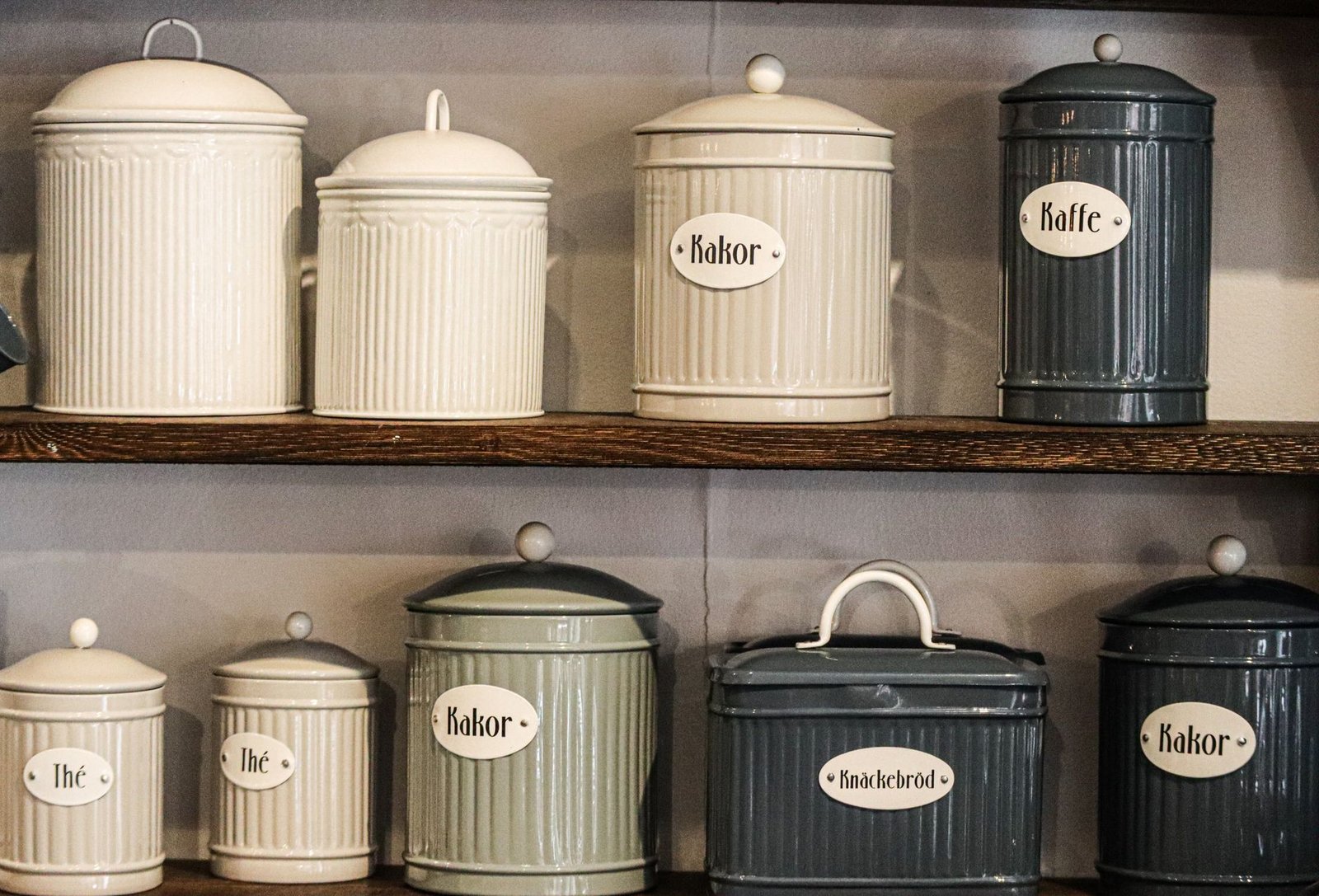
Visual Inventory and Freshness: Transitioning staples from original packaging into clear, uniform, air-tight canisters is a cornerstone of efficient pantry management. Food-grade recycled glass or BPA-free bioplastic options are dominant in 2026, offering superior visibility, pest deterrence, and extended shelf life for grains, pasta, and cereals. Uniformity contributes significantly to a clean, cohesive aesthetic.
8. Implement Zone-Based Organization with Internal Dividers
-
Categorical Efficiency: Establishing distinct zones within the pantry — for baking, breakfast, snacks, or canned goods — significantly improves functionality. Internal dividers made from sustainable bamboo, recycled felt, or modular plastic can segment larger containers or open areas, ensuring items within each category remain neatly grouped and easily located by the resident.
9. Utilize Under-Shelf Baskets and Drawers
-
Exploit Underside Space: For any existing, albeit limited, flat surfaces, clip-on wire baskets or under-shelf pull-out drawers are ingenious additions. These maximize often-overlooked space beneath a single board or a fixed shelf, providing additional storage for smaller items like spice packets, tea bags, or cleaning cloths. Modern designs focus on secure attachment and smooth operation.
10. Harness Tension Rods for Flexible Hanging Storage
-
Damage-Free Customization: Simple yet effective, tension rods, often made from recycled aluminum, can be installed horizontally at varying heights within an open pantry space. They are perfect for hanging cleaning sprays by their triggers, creating tiered storage for thin cutting boards, or even supporting small spice racks. This method offers unparalleled flexibility and is completely damage-free, aligning with renter-friendly trends.
Conclusion: A Highly Organized Pantry is Within Reach
Organizing a pantry without built-in shelving in 2026 is an opportunity to embrace flexible, sustainable, and intelligent design. By leveraging modular containers, freestanding units, door and wall-mounted solutions, and strategic internal organization, the homeowner can transform an unequipped space into a highly efficient and aesthetically pleasing area. The focus on recycled materials, adaptable designs, and clear visibility ensures that these solutions are not only practical but also aligned with contemporary values of conscious living and domestic comfort. A well-organized pantry, irrespective of its original design, contributes significantly to the overall harmony and efficiency of the home.