Creating beautiful and sustainable outdoor spaces remains a top priority for homeowners, especially as water conservation becomes increasingly vital. This article presents seven exceptional drought-tolerant plants, ideal for designing low-water gardens in 2026 that do not compromise on aesthetic appeal or ecological resilience. These selections represent a blend of beauty, hardiness, and adaptability, ensuring a thriving landscape even with minimal irrigation.
Embracing Xeriscaping: The Future of Sustainable Landscapes
In 2026, the principles of xeriscaping – landscaping with minimal or no irrigation – continue to gain prominence. Modern garden design is shifting towards creating landscapes that are not only visually stunning but also ecologically responsible and low-maintenance. The challenge for the resident is to select plants that thrive in local climates with reduced water input, ensuring long-term sustainability and diminishing reliance on external irrigation systems. This approach aligns with a broader industry trend emphasizing water efficiency and biodiversity support.
Beyond plant selection, 2026 landscaping trends integrate advanced water management technologies. Smart irrigation systems, featuring AI-driven soil moisture sensors and predictive weather analytics, are becoming standard. These systems precisely deliver water when and where it is needed, minimizing waste. Furthermore, the use of permeable hardscaping materials, such as recycled aggregate pavers and specialized gravels, is expanding to enhance water infiltration and reduce runoff, contributing to a more balanced urban water cycle.
Key Considerations for Low-Water Garden Design in 2026
Designing a low-water garden in 2026 involves more than simply choosing resilient plants; it encompasses a holistic approach to landscape architecture and material science. The homeowner should consider several factors to ensure success:
- Soil Preparation: Amending soil with organic matter improves its water retention capacity and provides essential nutrients, reducing the need for frequent watering. For many drought-tolerant species, well-draining soil is crucial to prevent root rot.
- Mulching Strategies: Applying a thick layer of organic mulch (e.g., wood chips, compost) around plants significantly reduces water evaporation from the soil, suppresses weeds, and regulates soil temperature. In 2026, advanced biodegradable mulches with slow-release nutrient properties are increasingly available.
- Hydrozoning: Grouping plants with similar water needs together simplifies irrigation and minimizes water waste. This allows for tailored watering schedules based on specific plant requirements.
- Modern Hardscaping Materials: Incorporating sustainable and water-permeable materials for pathways and patios is essential. Recycled composite lumber for raised beds and benches, along with innovative permeable concrete solutions, offer both aesthetic appeal and environmental benefits. These materials are designed to last longer and reduce their ecological footprint.
- Smart Irrigation Integration: While low-water gardens aim for minimal irrigation, supplementary watering during establishment or prolonged dry spells is sometimes necessary. The installation of a smart drip irrigation system connected to weather and soil sensors ensures precise and efficient water delivery, optimizing plant health without waste.
Top 7 Drought-Tolerant Plants for Resilient Gardens
Cultivating a vibrant, low-water garden for 2026 relies heavily on selecting plants known for their resilience and beauty. The following seven species are celebrated for their ability to thrive with minimal water, offering diverse textures, colors, and forms to create visually appealing and sustainable landscapes.
1. Lavender (Lavandula)
Lavender remains a perennial favorite, known for its fragrant purple blooms and silver-green foliage. Beyond its aesthetic and aromatic appeal, lavender is remarkably drought-tolerant once established, preferring full sun and well-drained soil. Its Mediterranean origins mean it naturally thrives in dry conditions. For 2026, newer cultivars offer enhanced disease resistance and more compact growth habits, making them suitable for diverse garden sizes and container plantings. The plant’s ability to attract pollinators also contributes to overall garden biodiversity.
2. Sedum (Stonecrop)
Sedums are succulents beloved for their fleshy leaves and star-shaped flowers that appear from late summer into fall. They come in a vast array of sizes and forms, from groundcovers to upright specimens like ‘Autumn Joy’. Sedums store water in their leaves, making them exceptionally resilient to dry spells. They require full sun and excellent drainage, making them perfect for rock gardens, borders, and green roofs – a growing trend in urban landscaping for 2026. Their robust nature and minimal care requirements appeal to homeowners seeking low-maintenance beauty.
3. Agave
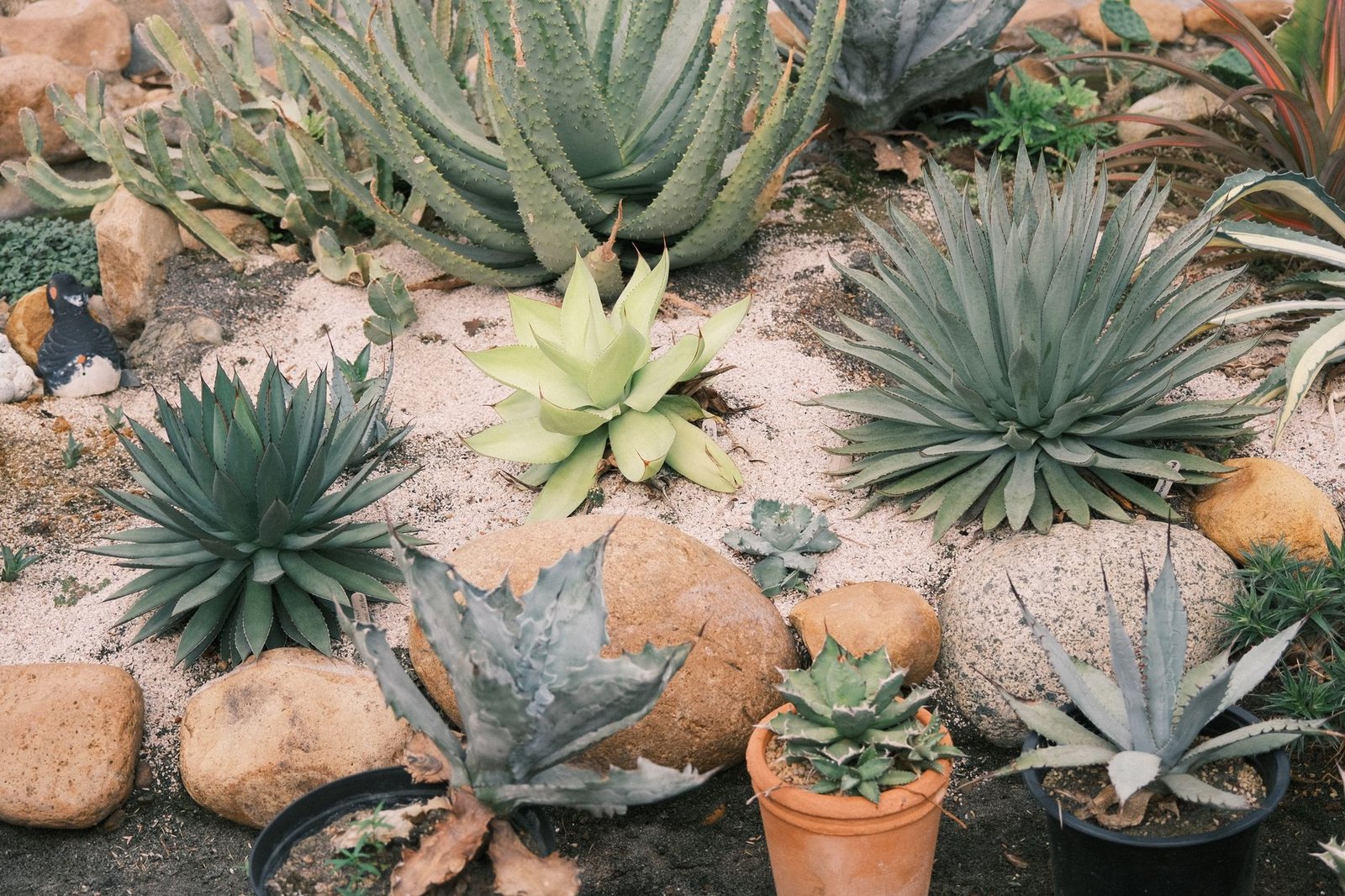
For a bold, architectural statement, Agave species are unparalleled. These striking succulents, often forming large rosettes of thick, sword-like leaves, are incredibly drought-hardy. Many varieties develop sharp spines, adding a textural defense. Agaves demand full sun and extremely well-drained soil. While some varieties can grow quite large, numerous smaller cultivars are available, suitable for containers or smaller garden spaces. Their dramatic form and low water needs align perfectly with modern, minimalist landscape designs that prioritize impact with minimal resource input.
4. Yarrow (Achillea)
Yarrow is a robust perennial that produces flat-topped clusters of flowers in shades of yellow, white, pink, and red from early summer through fall. Its finely textured, fern-like foliage is also attractive. Yarrow is highly drought-tolerant and thrives in full sun and average to poor soil, making it an excellent choice for challenging garden spots. It is a vital plant for supporting local pollinator populations. New hybrids for 2026 focus on stronger stems and an extended blooming period, enhancing its value in sustainable garden compositions.
5. Russian Sage (Perovskia atriplicifolia)
With its ethereal spikes of lavender-blue flowers and silvery foliage, Russian Sage creates a soft, hazy effect in the landscape. This woody perennial offers a long season of interest, blooming from mid-summer into fall. Russian Sage is exceptionally drought-tolerant, preferring full sun and sharp drainage. Its airy texture pairs beautifully with other water-wise plants and its deer resistance is an added benefit for many regions. The plant’s adaptability to various soil types and its minimal need for irrigation make it a highly desirable component of contemporary low-water designs.
6. Blue Fescue (Festuca glauca)
Blue Fescue is a compact ornamental grass valued for its distinctive clumps of fine, blue-gray foliage. It adds a wonderful textural element to the garden and provides year-round interest. This grass is very drought-tolerant once established and thrives in full sun with well-drained soil. Its small size makes it suitable for mass plantings, borders, rockeries, or containers. Blue Fescue’s low-maintenance nature and striking color contribute to the sophisticated simplicity often sought in 2026 landscape designs.
7. Red Yucca (Hesperaloe parviflora)
Despite its common name, Red Yucca is not a true yucca but a member of the agave family. It features clumps of narrow, grass-like leaves from which tall, arching flower stalks emerge, bearing vibrant coral-red to pink blossoms. These flowers are a magnet for hummingbirds. Red Yucca is remarkably drought-tolerant, requiring minimal water once established, and flourishes in full sun and well-drained soil. Its architectural form, coupled with long-lasting blooms, makes it an excellent choice for adding structure, color, and wildlife appeal to dry landscapes, reflecting a modern appreciation for resilient beauty.
Cultivating a Thriving Low-Water Oasis
The journey to a sustainable and aesthetically pleasing garden in 2026 involves thoughtful plant selection and a commitment to water-wise practices. By incorporating these seven drought-tolerant plants, the homeowner can create a vibrant, resilient landscape that minimizes environmental impact while maximizing beauty and enjoyment. The integration of smart technology and sustainable materials further enhances the longevity and efficiency of these outdoor spaces.
Embracing these principles allows for the development of gardens that are not only prepared for future climate challenges but also serve as sanctuaries of comfort and natural beauty. The expertise in choosing the right plants and implementing modern water management techniques ensures that a low-water garden can be as lush and inviting as any traditional landscape, establishing a new benchmark for domestic comfort and environmental stewardship.