
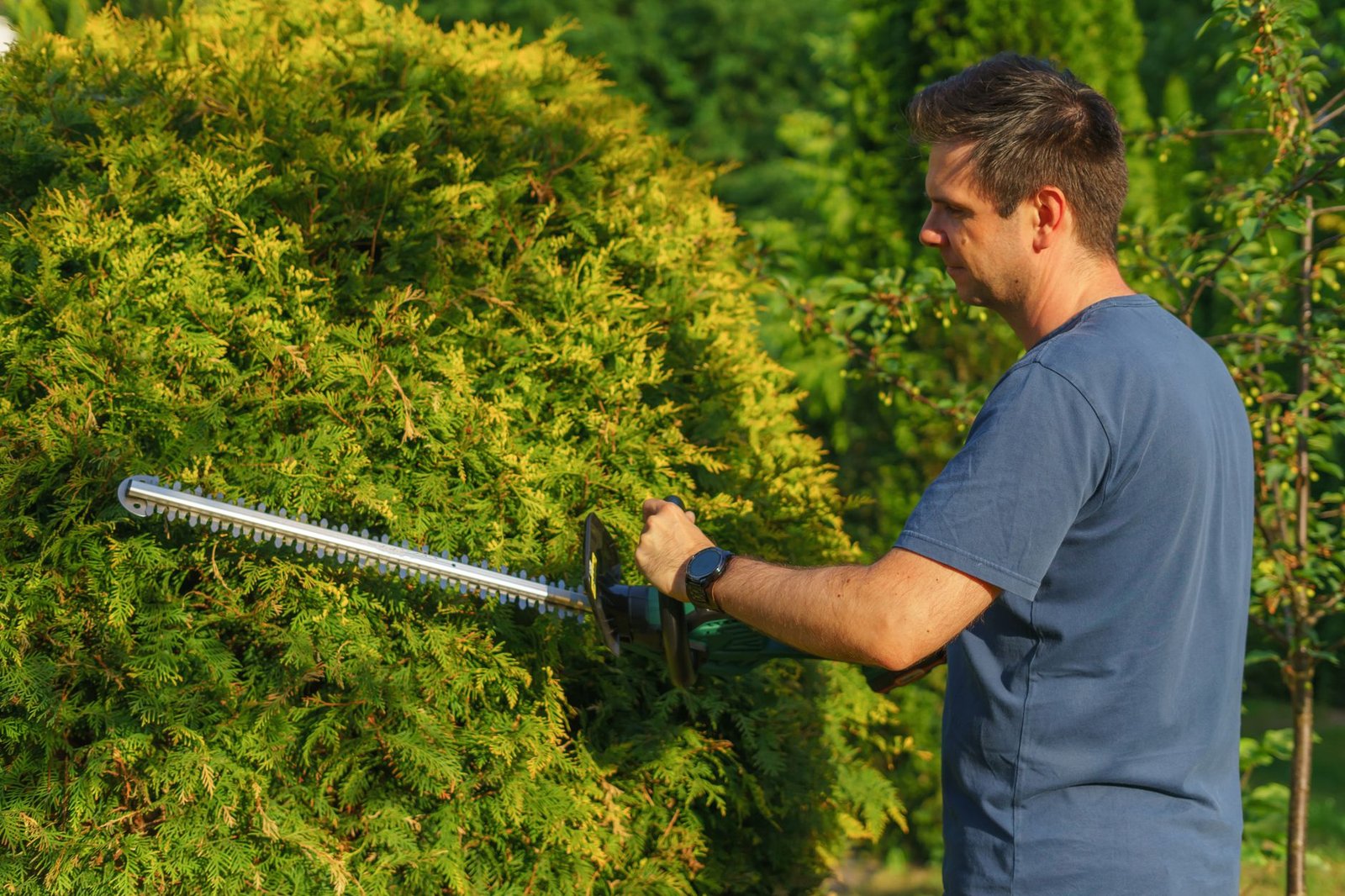
An overgrown hedge can transform a well-manicured landscape into a chaotic tangle, presenting a significant challenge for property aesthetics and plant health. Fortunately, restoring these unruly green barriers to their former glory, or even an entirely new, desired shape, is entirely achievable. This comprehensive guide outlines the step-by-step process for pruning and restoring overgrown hedges to vitality and ideal form, incorporating crucial timing considerations and the essential tools for successful rejuvenation in 2026.
Understanding Overgrown Hedges
Identifying the Need for Rejuvenation
Hedges often become overgrown due to a lack of consistent maintenance, where minor annual trimming is neglected, leading to dense, woody growth and a loss of desirable form. Indicators for rejuvenation include bare patches, reduced flowering or fruiting, branches growing far beyond the intended boundary, and an overall unhealthy or untidy appearance. For many varieties, this dense outer layer can also prevent light and air from reaching the interior, causing inner foliage to die back.
Common Hedge Types and Their Responses
The approach to rejuvenation can vary based on the hedge species. Deciduous hedges such as privet, hawthorn, or beech are generally more tolerant of hard pruning, often bouncing back vigorously. Evergreen hedges like conifer species (e.g., Leylandii, Thuja) require a more cautious approach; they often do not regenerate from old wood and should never be cut back into areas devoid of green foliage. Broadleaf evergreens such as holly or box, however, can often tolerate significant renovation.
The Art of Rejuvenation Pruning
Timing is Everything: When to Prune
The success of rejuvenation pruning largely hinges on timing. For most deciduous hedges, the ideal period for severe renovation is during the dormant season, typically late winter or early spring (February to March in many temperate climates) before new growth begins. This minimizes stress on the plant and allows for a strong flush of new growth. For broadleaf evergreens, late spring after the last frost is often preferred, allowing new growth to harden off before winter. Conifers, if light rejuvenation is attempted, are best pruned in late spring to early summer, avoiding hard cuts into old wood.
Essential Tools for the Task
Proper tools are fundamental for efficient and clean cuts, minimizing damage to the plant. For 2026, advancements in cordless technology continue to offer powerful and lightweight options:
- Hand Pruners (Secateurs): Ideal for smaller branches (up to 3/4 inch), ensuring precise cuts. Ergonomic models with adjustable grips are now standard.
- Loppers: Designed for thicker branches (up to 1.5-2 inches), providing leverage for cleaner cuts than hand pruners.
- Pruning Saw: Necessary for woody branches exceeding two inches in diameter. Folding designs and curved blades enhance usability.
- Hedge Trimmers: For larger areas, modern battery-powered hedge trimmers offer excellent power, reduced noise, and zero emissions. When selecting hedge trimmers, consideration should be given to models with adjustable heads and extended reach for comfort and safety.
- Protective Gear: Always wear sturdy gloves, eye protection, and appropriate clothing to prevent injury.
The Step-by-Step Pruning Process
Rejuvenating an overgrown hedge is a methodical process that requires patience and careful execution:
- Assess the Hedge: Before making any cuts, thoroughly inspect the hedge. Identify dead, diseased, or crossing branches that need removal first. Determine the desired final height and width.
- Gradual Reduction (for severe overgrowth): For hedges that are extremely overgrown, it is often best to reduce their size gradually over two to three years. This reduces shock and allows the plant to recover. The general rule is to never remove more than one-third of the plant’s total mass in a single season.
- Establish the Framework: Begin by cutting back the top to the desired height. Then, address the sides, aiming for a slightly tapered shape (wider at the base than the top) to ensure sunlight reaches all parts of the hedge. Use string lines or levels to maintain straight, even cuts if a formal shape is desired.
- Remove Interior Congestion: Thin out excessive interior branches to improve air circulation and light penetration. Cut back to healthy side branches or just above a bud facing the desired direction of growth.
- Address Structural Issues: Remove any suckers growing from the base or watersprouts shooting vertically from main branches. Eliminate weak, damaged, or poorly placed branches.
- Clean Up: Collect all trimmings immediately. Dispose of them properly, ideally through composting, which returns valuable nutrients to the soil.
Modern Tools & 2026 Trends
Smart Pruning Technology
The year 2026 brings exciting advancements to landscape maintenance. While fully autonomous hedge pruning for residential settings is still emerging, smart features are increasingly common. Expect hedge trimmers with AI-assisted battery management for optimized power delivery, lightweight composites for reduced fatigue, and even integrated augmented reality (AR) guides on smart spectacles for visualizing desired cuts and maintaining precision. These tools empower homeowners to achieve professional results with greater ease and safety.
Sustainable Approaches and Materials
Sustainability continues to be a driving force in horticulture. For hedge rejuvenation, this translates into several key trends:
- Bio-stimulants: Post-pruning, the application of bio-stimulants and mycorrhizal fungi can significantly aid root recovery and new growth, improving the hedge’s resilience.
- Automated Irrigation: Smart irrigation systems, capable of adjusting water delivery based on real-time weather data and soil moisture sensors, ensure optimal hydration for recovering plants, minimizing water waste.
- Organic Fertilizers: The preference for slow-release, organic fertilizers designed for specific hedge types is growing, providing a steady nutrient supply without chemical runoff.
- Biodiversity Focus: Encouraging the growth of native hedge species and designing rejuvenation to support local wildlife (e.g., leaving some berry-producing branches) is a rising priority for ecologically conscious residents.
Post-Pruning Care & Maintenance
Nourishment and Protection
After significant pruning, a hedge requires focused care to ensure a robust recovery. Thorough watering is crucial, especially if the soil is dry. A balanced, slow-release granular fertilizer formulated for hedges or shrubs should be applied around the root zone, with product instructions followed carefully. A layer of organic mulch (e.g., wood chips, compost) over the root area will help retain soil moisture, suppress weeds, and moderate soil temperature, fostering a healthy environment for new growth.
Ongoing Shaping and Health Checks
Once rejuvenated, regular light trimming will maintain the hedge’s shape and density. This typically involves annual or bi-annual light cuts to new growth, ideally after flowering for deciduous types. Continuous monitoring of the hedge for signs of pests or diseases is recommended, with issues addressed promptly. Healthy hedges are more resilient and less prone to severe infestations. With consistent care, a once-overgrown hedge can become a magnificent, vital feature of the landscape for years to come.