
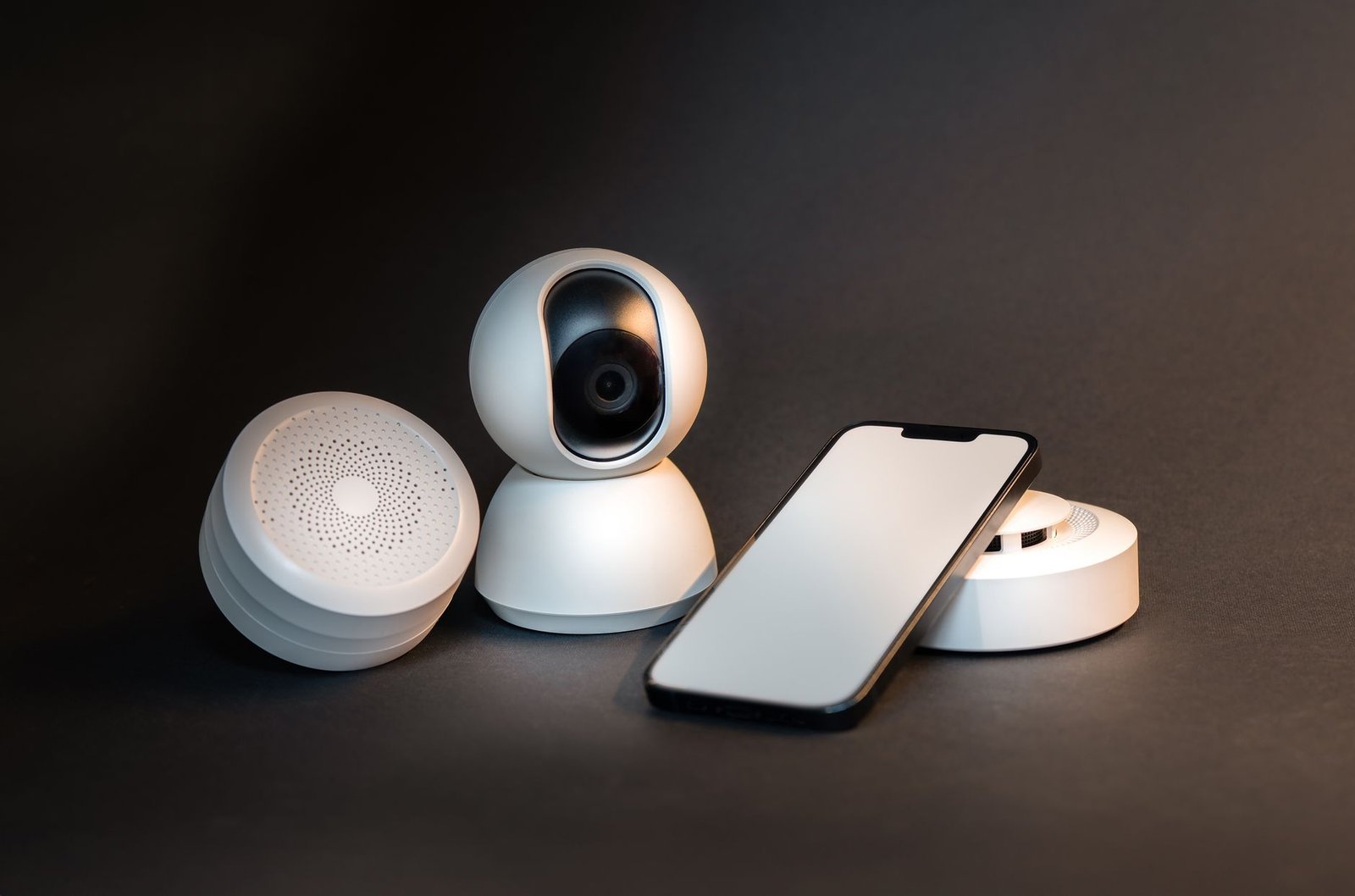
The landscape of home automation continues its rapid evolution into 2026, prompting many homeowners to consider integrating smart technologies into every corner of their residence, including the garage. The pertinent question for many remains: are smart garage door openers worth the upgrade in 2026? The consensus among industry experts indicates a resounding yes for many households, primarily due to significant advancements in convenience, security, and seamless integration capabilities.
The Evolving Landscape of Smart Garages in 2026
The year 2026 marks a period where smart home technology is not just about isolated devices but about a cohesive, intelligent ecosystem. Smart garage door openers are no longer standalone gadgets; they are integral components of a wider home automation network, often leveraging advanced protocols like Matter and Thread for superior interoperability. This integration means the garage door can communicate effortlessly with lighting, security cameras, and even climate control systems within a unified platform.
Advanced Integration and Predictive Intelligence
Modern smart garage door openers in 2026 are increasingly incorporating artificial intelligence (AI) to offer predictive functionalities. This can range from anticipating the resident’s arrival based on geofencing data to notifying the homeowner of unusual activity, such as the door being open longer than usual or detecting unfamiliar vehicle presence. Some systems can even suggest preventative maintenance based on usage patterns, alerting the homeowner to potential issues before they escalate, thereby extending the life of the garage door mechanism and ensuring optimal performance.
Enhanced Sensor Technology and Sustainability
The sensor technology embedded in these devices has seen significant improvements. Beyond basic open/closed status, 2026 models often include environmental sensors that monitor temperature and humidity, potentially linking to garage ventilation systems for improved air quality and energy management. Furthermore, a growing trend towards sustainability is evident, with some advanced units featuring low-power consumption modes or even integration with small, supplementary solar panels for backup power, reducing reliance on the main grid during outages and contributing to overall home energy efficiency.
Unlocking Enhanced Convenience and Security
The core appeal of smart garage door openers lies in the tangible enhancements they bring to daily life, primarily through unparalleled convenience and robust security features.
Unrivaled Remote Access and Control
One of the most immediate benefits for the homeowner is the ability to operate the garage door remotely from virtually anywhere. Through a dedicated smartphone application, the user can open or close the door, check its status, and receive real-time notifications. This eliminates the perennial worry of whether the garage door was left open, providing immense peace of mind. Geofencing capabilities can even automate this process, opening the door as the resident approaches their property and closing it upon departure, all without a physical interaction with a remote.
Fortified Security Measures
Security is paramount, and 2026’s smart garage openers excel in this domain. Features include high-definition cameras integrated directly into the opener or seamlessly linked, providing live video feeds and recorded footage accessible via the app. Advanced encryption protocols, often exceeding industry standards, protect against unauthorized access. Virtual key sharing allows the homeowner to grant temporary access to delivery personnel, service providers, or family members without needing to share physical keys, with logs tracking all access attempts for accountability. Furthermore, the ability to receive instant alerts if the door opens unexpectedly or is tampered with adds a critical layer of defense against intrusion.
Streamlined Daily Operations
Beyond basic access, smart openers contribute to a smoother daily routine. Integration with voice assistants like Amazon Alexa or Google Assistant enables hands-free operation, allowing the user to simply speak commands. Automated routines can be programmed, such as closing the garage door and turning on exterior lights at sunset, or adjusting interior lighting upon entry. For the increasing popularity of in-garage package delivery, certain smart openers are specifically designed to interface with secure delivery services, allowing couriers temporary, monitored access to deposit packages safely inside, protected from weather and theft.
Navigating Potential Drawbacks and Considerations
While the advantages are substantial, a comprehensive evaluation requires an examination of potential downsides and practical considerations for the homeowner.
Initial Investment and Connectivity Reliance
The initial cost of a smart garage door opener, especially a feature-rich 2026 model, can be higher than traditional counterparts. This investment includes not only the hardware but potentially professional installation, though many units offer straightforward DIY options for tech-savvy individuals. A significant operational dependency is a stable internet connection and reliable home power. In the event of an internet outage or power failure, most smart openers revert to manual operation or rely on backup battery systems, which are increasingly standard but still a consideration for continuous smart functionality.
Compatibility and Cybersecurity Nuances
Homeowners with older garage door opener systems may encounter compatibility challenges, potentially requiring an entirely new opener unit rather than just an add-on module. It is essential to verify compatibility with existing equipment. While modern smart devices are built with robust security, any internet-connected device carries a theoretical risk of cyber vulnerability. However, manufacturers in 2026 have significantly advanced their cybersecurity protocols, implementing multi-factor authentication and frequent firmware updates to mitigate these risks effectively, making breaches exceedingly rare for reputable brands that prioritize user data protection.
Investment Analysis: Justifying the Upgrade
For many households, the question of