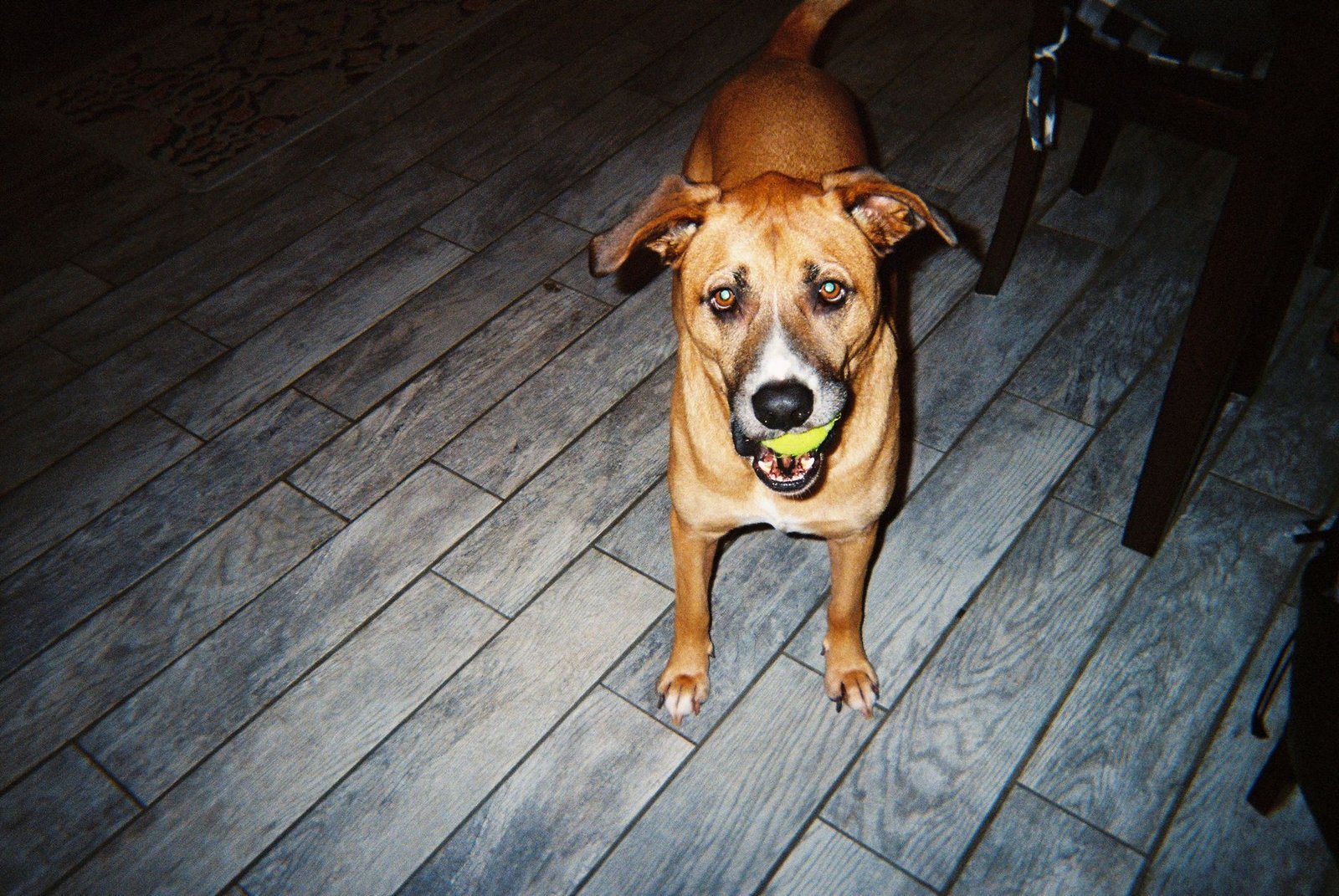
For homeowners managing both beloved pets and the demands of heavy foot traffic, selecting the optimal flooring presents a significant challenge. Determining the best pet-friendly flooring for high-traffic homes in 2026 involves a careful evaluation of durability, scratch resistance, ease of cleaning, and comfort for animal companions. While no single flooring solution is universally perfect, advanced luxury vinyl plank (LVP), engineered hardwood with enhanced finishes, and high-quality porcelain tile consistently emerge as leading contenders, offering a blend of resilience and aesthetic appeal.
The modern home environment often means pets are integrated into every living space, making flooring a critical design decision. Residents seek materials that can withstand claws, spills, and constant movement without sacrificing style or requiring exhaustive maintenance. With material science and manufacturing techniques continually advancing, the 2026 market offers more sophisticated and specialized options than ever before, ensuring that both human and animal occupants can enjoy a beautiful, functional, and comfortable home.
Top Contenders for Pet-Friendly, High-Traffic Flooring in 2026
The landscape of flooring technology continues to evolve, bringing forth materials that blend aesthetics with unparalleled performance. For high-traffic areas frequented by pets, specific innovations make certain flooring types stand out in 2026.
Luxury Vinyl Plank (LVP) and Luxury Vinyl Tile (LVT)
LVP and LVT remain at the forefront of pet-friendly flooring. Recent advancements, particularly in rigid core constructions like Stone Plastic Composite (SPC) and Wood Plastic Composite (WPC), offer superior stability and indentation resistance. The 2026 market sees increased adoption of enhanced wear layers (up to 30 mil or higher) and integrated scratch-resistant coatings, making these products exceptionally durable against pet claws and heavy furniture. Their 100% waterproof nature is invaluable for mitigating pet accidents, and the ease of cleaning a seamless vinyl surface is a major benefit. Modern LVP/LVT now offers incredibly realistic wood and stone aesthetics, often with textured surfaces that provide better traction for pets, reducing slips and falls. Many manufacturers are also prioritizing sustainability, offering options made with recycled content and low VOC emissions.
Engineered Hardwood with Advanced Finishes
While traditional solid hardwood can be susceptible to scratches and moisture, engineered hardwood has made significant strides, particularly with new-generation finishes. Products featuring advanced aluminum oxide or ceramic-infused topcoats provide a much higher level of scratch and wear resistance. Residents can also opt for harder wood species (e.g., Brazilian cherry, hickory, hard maple) or distressed/wire-brushed finishes that inherently camouflage minor imperfections. The multi-ply construction of engineered hardwood offers greater stability against humidity fluctuations, which can be beneficial in homes with varying indoor conditions. Selecting products with robust, factory-applied finishes is crucial for maximizing durability in pet-centric, high-traffic environments. The natural warmth and timeless appeal of wood remain a strong draw for many homeowners.
Porcelain Tile
For ultimate durability and minimal maintenance, porcelain tile continues to be an excellent choice. It is virtually impervious to scratches, stains, and moisture, making it ideal for homes with active pets and constant foot traffic. The 2026 trends include larger format tiles, wood-look porcelain, and stone-look porcelain that mimic natural materials with remarkable accuracy. Textured surfaces not only enhance realism but also provide necessary traction for pets, preventing slips on otherwise smooth surfaces. The key to maximizing its pet-friendliness lies in selecting a high-quality, stain-resistant grout (such as epoxy or urethane grout) to simplify cleanup of pet accidents and prevent discoloration over time. While the hardness of tile can be a concern for some pet owners, strategic use of rugs and pet beds can mitigate this.
Advanced Laminate Flooring
Modern laminate flooring has seen substantial improvements, particularly in its water resistance and scratch-proof capabilities. Unlike older generations, many 2026 laminate products feature water-resistant cores and surface treatments, making them more forgiving with spills and pet accidents. High-quality wear layers and authentic wood-grain textures provide a durable and aesthetically pleasing option at a more accessible price point than premium LVP or engineered hardwood. While generally not 100% waterproof like LVP or porcelain, advanced laminates offer a compelling balance of cost, aesthetics, and improved performance for homes with active pets.
Key Considerations for Selection
When evaluating pet-friendly flooring for high-traffic areas, several critical factors must guide the decision-making process.
- Durability and Scratch Resistance: The flooring must withstand constant pet activity, including claws and playful antics. Look for high wear ratings, robust surface treatments, and materials known for their inherent hardness.
- Water and Stain Resistance: Pet accidents are inevitable. The chosen flooring should be easy to clean and resist staining and moisture damage, ensuring longevity and hygiene.
- Ease of Cleaning: Smooth, non-porous surfaces are ideal for quick cleanup of pet hair, dander, and spills. Avoiding deep grooves or textures that trap dirt is often beneficial.
- Traction and Comfort: Extremely slick surfaces can be hazardous for pets, leading to slips and potential injuries. Materials with a slight texture or matte finish provide better grip. While pets appreciate comfort, overly soft surfaces may not stand up to high traffic or pet claws.
- Noise Reduction: Hard surfaces can amplify the sound of pet claws or movement. Some flooring types, particularly those with integrated underlayment or thicker construction, can help dampen noise.
- Allergens: Smooth, easy-to-clean surfaces prevent the accumulation of pet dander and other allergens, contributing to a healthier indoor environment for all residents.
- Aesthetics and Design: The flooring should complement the home’s interior design, offering a range of styles, colors, and textures that meet the resident’s preferences.
- Budget and Installation: Consider both the material cost and the installation complexity. DIY-friendly options can reduce overall expenses.
Maintenance and Longevity
Regardless of the chosen flooring, proper maintenance is paramount for ensuring its longevity in a high-traffic, pet-occupied home. Regular vacuuming or sweeping is essential to remove pet hair and dirt that could otherwise abrade the surface. Immediate cleanup of pet accidents prevents stains and moisture damage. Keeping pets’ nails trimmed can significantly reduce the risk of scratches on even the most durable surfaces. Strategic placement of rugs in extremely high-traffic zones or areas where pets frequently play can add an extra layer of protection and comfort.
Conclusion
Choosing the best pet-friendly flooring for high-traffic homes in 2026 requires a balanced approach, weighing durability, cleanability, pet comfort, and aesthetic appeal. Luxury vinyl plank/tile, engineered hardwood with advanced finishes, and porcelain tile stand out as the most reliable options, each offering unique advantages. The ideal selection will ultimately depend on the specific lifestyle, budget, and design preferences of the individual homeowner, ensuring a beautiful and resilient foundation for both human and animal residents for years to come.