
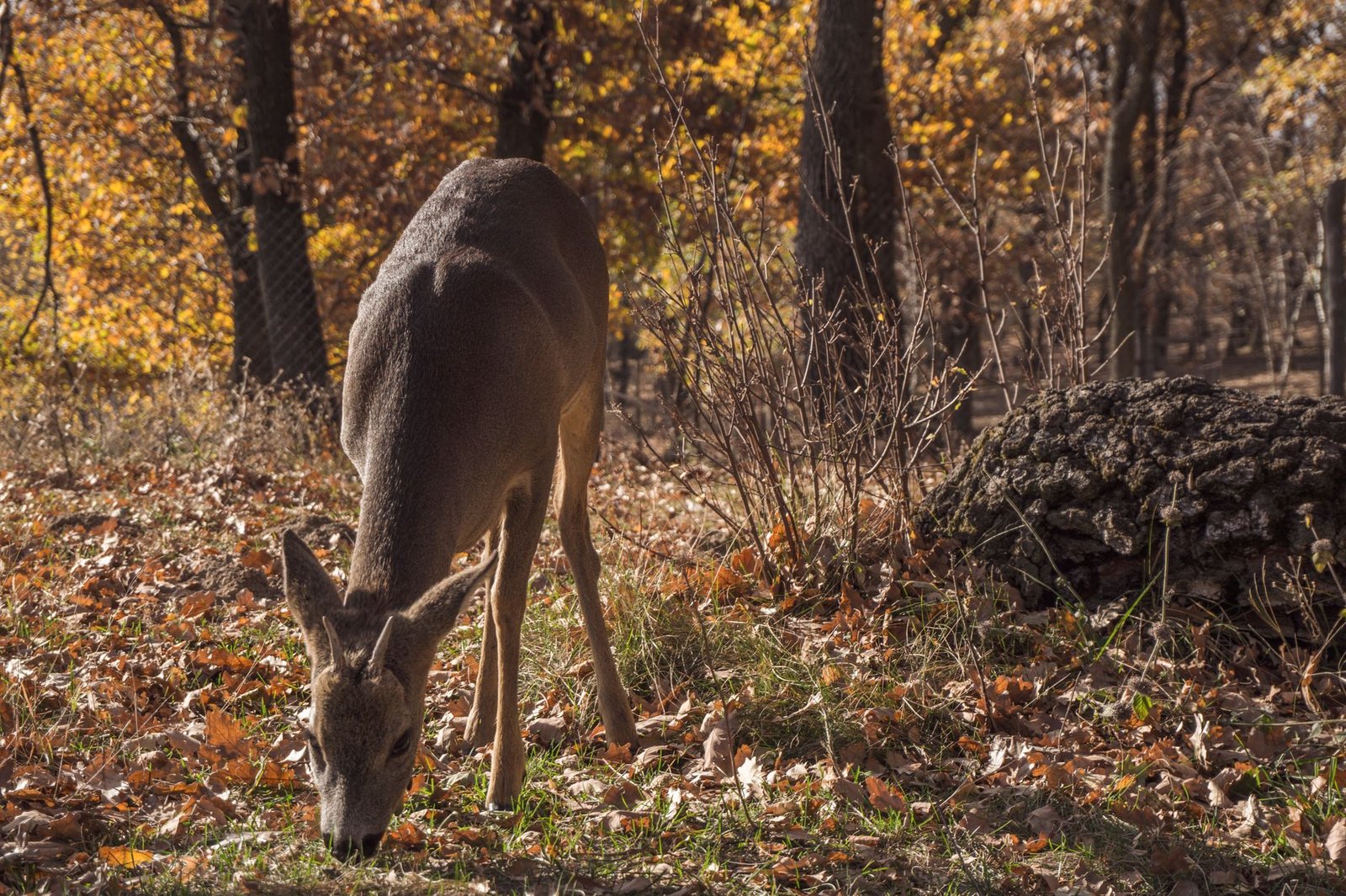
When deer transform a meticulously cared-for garden into their personal buffet, it can be a source of significant frustration for the homeowner. Fortunately, effective and humane strategies exist to protect treasured plantings. This article explores seven natural deer deterrents proven to work, integrating modern material developments and horticultural trends for 2026, offering sustainable solutions without resorting to harsh chemicals.
Understanding Deer Behavior and Garden Attraction
Deer are creatures of habit and opportunity, constantly seeking easily accessible food sources. Gardens, with their lush foliage, tender shoots, and succulent blossoms, present an irresistible smorgasbord, especially during dry spells or in areas where natural foraging grounds are diminishing. Understanding their keen senses – particularly their sense of smell and their browsing patterns – is crucial for implementing successful deterrents. The goal is not merely to repel but to gently redirect their attention elsewhere, ensuring the long-term health and beauty of the resident’s landscape.
7 Natural and Effective Deer Deterrents for 2026
Protecting a garden from deer requires a multi-faceted approach. Implementing several of these strategies concurrently significantly increases success rates, leveraging both traditional wisdom and contemporary advancements.
-
Strategic Plant Selection and Deer-Resistant Landscaping
One of the most sustainable long-term solutions is planting what deer prefer not to eat. While no plant is entirely deer-proof when food is scarce, many varieties are significantly less appealing. Deer tend to avoid plants with strong aromatic foliage, fuzzy or thorny textures, or those known to be toxic. In 2026, there is an increased emphasis on native plant species that are naturally adapted to local wildlife interactions and often possess inherent resistance. Examples include lavender, rosemary, peonies, bleeding hearts, and various ornamental grasses. The resident can consult local nurseries for regional deer-resistant plant lists, focusing on species that thrive in the specific microclimate.
-
Scent and Taste-Based Repellents
Deer rely heavily on their sense of smell. Natural repellents work by emitting odors that deer find unpleasant or by making plants taste undesirable. Products containing putrescent egg solids, garlic, mint, or capsaicin are widely available and effective. In 2026, advancements in encapsulation technology have led to repellents with improved longevity and rain resistance, reducing the frequency of reapplication. Homemade options often include diluted hot pepper spray or bars of strong-scented soap (e.g., Irish Spring) hung in mesh bags around vulnerable plants. Consistency is key with these methods, and reapplications are necessary after heavy rain or new growth emerges.
-
Physical Barriers and Fencing Innovations
Fencing remains one of the most reliable deterrents. For serious deer pressure, an 8-foot-tall fence is often recommended, as deer can jump surprisingly high. However, modern solutions offer more aesthetically pleasing options. Invisible fencing systems, coupled with smart sensor technology, can provide a humane deterrent by emitting ultrasonic sounds or low-voltage pulses when deer approach, without visually impacting the landscape. In 2026, permeable bio-composite mesh fences are gaining popularity; these are lightweight, durable, and blend seamlessly into the environment while offering robust protection. Double-fencing, where two shorter fences (e.g., 4-foot tall) are spaced about 4 feet apart, can also confuse deer and prevent jumping.
-
Motion-Activated Sprinklers and Lights
Sudden, unexpected disturbances effectively startle deer away. Motion-activated sprinklers deliver a harmless but surprising burst of water, while motion-sensor lights illuminate an approaching animal. Modern systems available in 2026 integrate AI-powered sensors that can differentiate between deer, pets, and humans, minimizing false alarms. Solar-powered units with adjustable spray patterns and sensitivity settings offer an energy-efficient and customizable solution. These devices create a sense of unpredictability that deer dislike, making the garden seem less safe for foraging.
-
Habitat Modification and Companion Planting
Modifying the immediate habitat around the garden can reduce deer attraction. This includes removing fallen fruit or tempting plant debris that might serve as an easy food source. Companion planting involves strategically placing strong-smelling herbs or deterrent plants around more vulnerable species. For instance, planting aromatic herbs like chives, garlic, onions, or mints around rose bushes or vegetable patches can mask the appealing scents of preferred foods, creating a natural aromatic barrier. Creating a buffer zone of less appealing plants around the main garden area can also serve as a first line of defense.
-
Sound-Based Deterrents and Integrated Pest Management (IPM) Systems
While often debated, some sound devices claim to repel deer by emitting high-frequency ultrasonic waves or predator calls. When coupled with an integrated pest management (IPM) system, their effectiveness can be enhanced. In 2026, smart home garden systems are evolving, allowing homeowners to manage multiple deterrents simultaneously. These systems can coordinate motion sensors, sound emitters, lights, and even small water sprays, creating a dynamic and adaptive protection network controllable via a smartphone app. The unpredictability of varied deterrents is more effective than a single, consistent stimulus.
-
Natural Predator Mimicry and Decoys
Deer are wary of predators. While bringing actual predators into a residential garden is impractical, mimicking their presence can be effective. Products containing fox or coyote urine (derived humanely) can be applied around the garden perimeter. These create a scent barrier that suggests a predator is nearby. Decoys, such as realistic statues of coyotes or even reflective Mylar tape or old CDs that flutter and flash in the wind, can create visual disturbance. Regular relocation of these items is essential to prevent deer from becoming accustomed to their static presence.
Implementing a Multi-Layered Approach for Lasting Protection
No single deterrent offers 100% effectiveness on its own. The most successful approach to deer management involves layering several methods. For instance, combining deer-resistant plantings with scent-based repellents and a perimeter barrier creates a formidable defense. The resident should regularly monitor the garden for signs of deer activity and adapt strategies as needed. Seasonal changes, local deer populations, and the maturity of plants can all influence effectiveness. Consistency in reapplication and maintenance of deterrents is paramount for long-term success.
Future-Proofing Garden Protection: Trends in 2026
The landscape of deer deterrence is continuously evolving, driven by sustainability and smart technology. In 2026, research continues into plant-based biochemical compounds that offer even more targeted and eco-friendly repellent properties. The integration of artificial intelligence into garden monitoring systems will become more sophisticated, allowing for predictive analytics of deer movement patterns based on local environmental factors. Sustainable materials for fencing and barriers are becoming standard, emphasizing recycled content and minimal ecological footprint. Embracing these advanced, natural, and humane solutions allows the homeowner to enjoy a thriving, beautiful garden in harmony with local wildlife.