
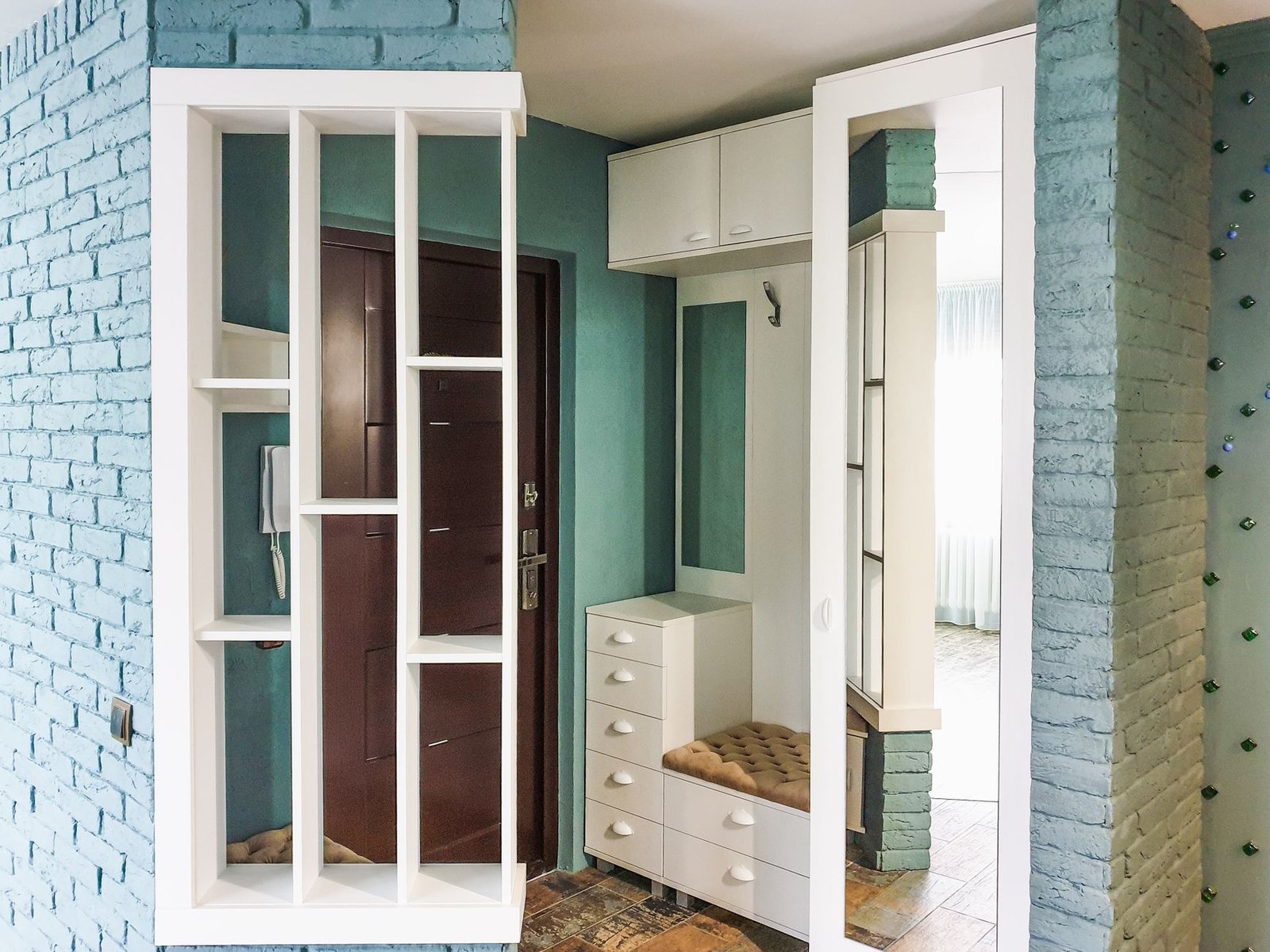
A dark, narrow hallway can transform an otherwise inviting home into a less welcoming space, often frustrating residents with its confined and shadowed atmosphere. To counteract this common challenge, integrating strategic design and lighting techniques is crucial for homeowners aiming to enhance illumination and expand perceived space effectively, even in 2026.
Transforming a dim corridor into a vibrant, airy passage is achievable through thoughtful application of modern design principles and cutting-edge materials. This article explores five impactful strategies that leverage current trends and innovative solutions to brighten any dark hallway, turning a problematic area into an inviting transitional zone that reflects contemporary aesthetic and functional demands.
1. Harnessing Reflective Surfaces and Finishes
One of the most immediate and effective ways to amplify light in a dark hallway is by strategically employing reflective surfaces. These elements do not generate light but rather bounce existing light around the space, dramatically increasing its luminosity and the illusion of depth.
Mirrors: Strategic Placement for Maximum Impact
- Expansive Panels: Instead of small, decorative mirrors, consider oversized or floor-to-ceiling mirror panels. In 2026, smart mirrors with integrated ambient lighting and display capabilities are gaining traction, offering both reflection and dynamic light sources.
- Opposite Light Sources: Positioning a mirror directly opposite a natural light source, such as an adjacent doorway or window, maximizes light distribution throughout the hallway.
- Grouping: A curated gallery wall of varying mirror shapes and sizes can create a dynamic focal point while still reflecting light.
High-Gloss and Luminous Finishes
- Paint Sheen: Specifying paint with a higher sheen, such as satin, semi-gloss, or even full gloss, on walls and ceilings can significantly increase light reflection compared to matte finishes. Light, neutral colors are particularly effective.
- Polished Materials: Integrating polished chrome, brushed stainless steel, or lacquered wood finishes in fixtures, door hardware, or furniture pieces adds subtle reflectivity. Reflective wallpaper patterns, especially those with metallic threads or pearlescent finishes, are also trending for their ability to add textural interest and light play.
2. Strategic Lighting Innovations for Layered Illumination
The absence of natural light necessitates a sophisticated approach to artificial illumination. Layered lighting, incorporating ambient, accent, and task lighting, is paramount in creating a well-lit and inviting hallway.
Advanced LED Technologies
- Cove and Strip Lighting: Hidden LED strip lighting along ceiling coves, baseboards, or under floating shelves provides ambient glow, eliminating harsh shadows and drawing the eye along the length of the hall. Dimmable, tunable white LEDs allow residents to adjust color temperature from warm to cool, influencing mood and perceived brightness.
- Wall Sconces and Uplights: Strategically placed wall sconces that direct light upwards and downwards can wash walls with light, enhancing perceived height and brightness. Recessed uplights integrated into the floor create dramatic vertical light shafts.
Smart Lighting Systems
By 2026, smart lighting systems are standard for optimizing energy efficiency and user convenience. Motion-activated sensors can illuminate the hallway only when needed, while circadian lighting systems can automatically adjust light intensity and color temperature throughout the day to mimic natural light cycles, promoting well-being.
3. Color Palettes and Visual Expansion Techniques
The choice of color profoundly impacts how spacious and bright a hallway feels. Light colors reflect more light, while strategic application can manipulate perception of depth and width.
Light and Neutral Color Schemes
- Walls and Ceiling: Opting for shades of white, pale gray, soft beige, or light pastels for walls and ceiling is fundamental. These colors maximize light reflection and prevent the space from feeling enclosed.
- Monochromatic Approach: A monochromatic scheme, using varying tones of the same light color, creates a seamless flow that visually expands the hallway, blurring boundaries.
Strategic Color Placement
- Ceiling Brightness: Painting the ceiling a lighter shade than the walls, or even a brilliant white, can lift the perceived height of the hallway.
- End Wall Focus: Painting the far end wall in a slightly darker or contrasting shade can create an optical illusion of depth, drawing the eye and making the hallway feel longer.
4. Textural Play and Materiality
Beyond color and reflection, the tactile and visual properties of materials significantly contribute to a hallway’s ambiance, especially in 2026 with advancements in material science.
Light-Filtering and Translucent Elements
- Fluted Glass Panels: Incorporating fluted or reeded glass panels into interior doors or as room dividers allows light to pass through while maintaining privacy and adding architectural interest.
- Smart Glass Technology: For an elevated solution, switchable smart glass can instantly transition from opaque to transparent, offering dynamic control over light transmission and privacy. This is a premium 2026 trend for luxurious spaces.
Textile and Floor Coverings
- Light-Colored Rugs: A light-colored runner or rug with a subtle pattern can brighten the floor plane and add softness without absorbing light.
- Light-Toned Flooring: Hardwood, laminate, or large-format tiles in light tones (e.g., bleached oak, pale concrete-look porcelain) reflect more light than darker alternatives and visually expand the floor area.
- Sheer Curtains: If the hallway has a window, using sheer, light-colored curtains allows natural light to filter through gently.
5. Thoughtful Furnishings and Biophilic Design
Minimizing clutter and incorporating elements that bring life and organic forms can prevent a hallway from feeling claustrophobic, aligning with the 2026 emphasis on wellness and sustainability in home design.
Minimalist and Floating Furniture
- Floating Consoles: Wall-mounted, floating console tables or shelves create clear floor space, enhancing the illusion of openness. Opt for pieces with open bases or made from light-colored wood or transparent materials like acrylic.
- Decluttering: Removing unnecessary items from the hallway is fundamental. Built-in storage solutions that blend seamlessly with the walls can manage clutter without intruding on the visual space.
Integrating Biophilic Elements
- Vertical Gardens: Small, wall-mounted vertical gardens or living walls introduce natural greenery, improving air quality and adding a refreshing visual element that can make a space feel more vibrant and less confined.
- Strategically Placed Plants: Tall, slender plants in light-colored pots can add height and organic form without taking up much floor space. Consider varieties that thrive in low light conditions.
By implementing these five strategic design and lighting tricks, homeowners can transform a dark and narrow hallway into an inviting, well-lit, and perceptually spacious passage. Leveraging the latest in material science, smart home technology, and timeless design principles ensures that these solutions are not only effective but also aligned with contemporary interior design expectations for 2026.