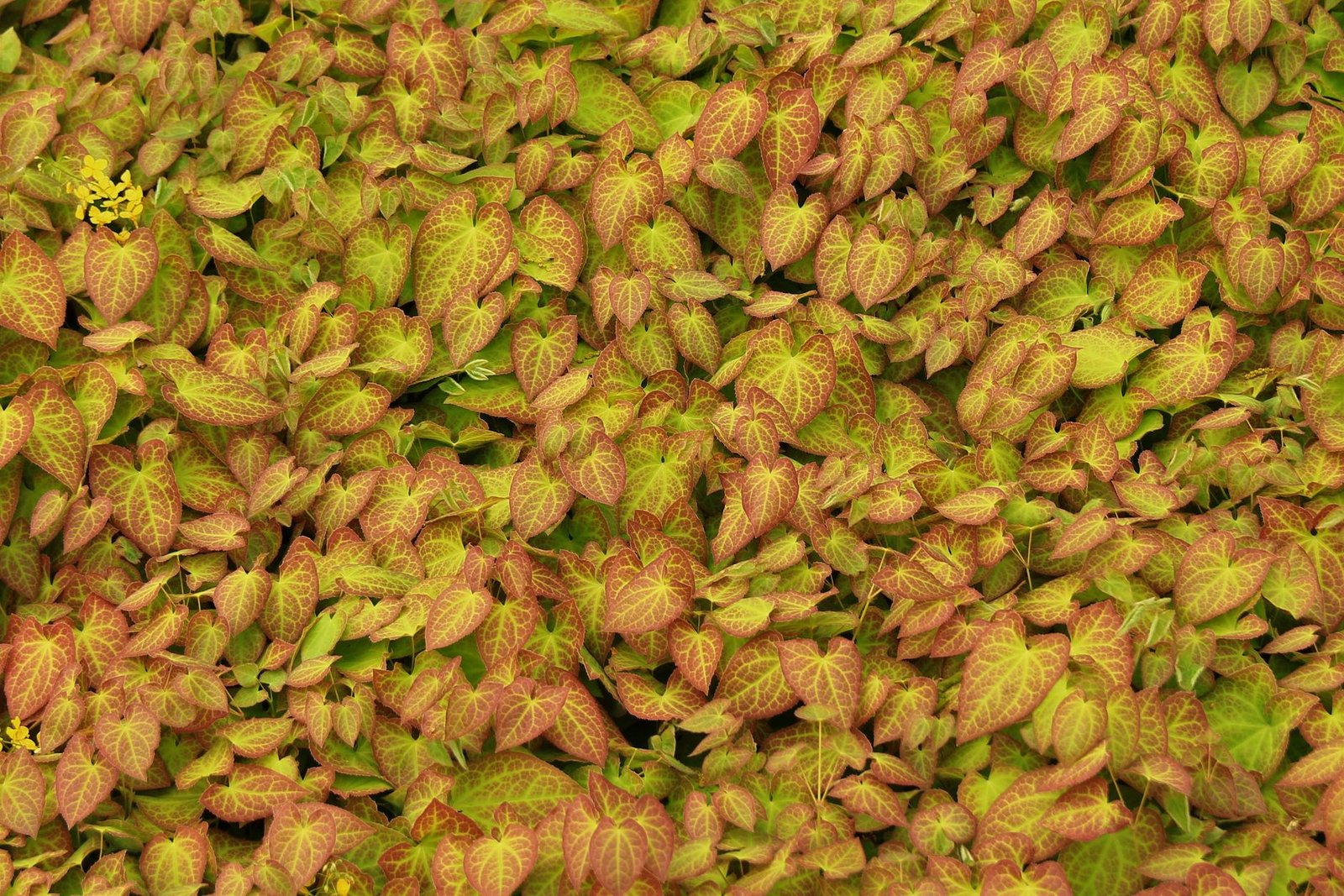
Achieving a beautiful, weed-free garden without constant effort is a common goal for homeowners. The solution often lies in strategic planting, specifically utilizing low-maintenance ground covers. These plants are invaluable for suppressing weeds, conserving soil moisture, and reducing overall garden upkeep, offering a sustainable and aesthetically pleasing alternative to traditional mulching or bare soil, especially with the horticultural innovations of 2026.
Why Choose Ground Covers? Embracing 2026 Garden Trends
In 2026, the emphasis in landscaping continues to shift towards sustainability, efficiency, and ecological resilience. Ground covers align perfectly with these priorities. They are an elegant, living mulch that performs multiple functions beyond just aesthetics. By forming a dense canopy, they naturally shade out weed seeds and prevent their germination, significantly cutting down on weeding time. Additionally, ground covers help retain soil moisture, reducing the need for frequent irrigation – a critical consideration given advancing water conservation technologies and climate patterns. They also protect soil from erosion, enrich its structure, and can support local biodiversity by providing habitat or food sources for beneficial insects.
Modern material developments in 2026 complement the use of ground covers. Advancements in permeable paving systems are allowing for integrated designs where durable ground covers can thrive within hardscapes, creating cooler, more inviting outdoor spaces. Furthermore, smart irrigation sensors, now more sophisticated and affordable, can be finely tuned to the specific moisture needs of various ground cover species, optimizing water usage and ensuring plant health without manual oversight. The rise of native plant movements also encourages selecting ground covers indigenous to a region, further enhancing ecological benefits and reducing maintenance.
Top 7 Low-Maintenance Ground Covers for 2026
For the homeowner seeking durable, beautiful, and easy-to-care-for options, these seven ground covers are highly recommended for 2026 gardens:
1. Creeping Thyme (Thymus serpyllum)
- Attributes: Fragrant, evergreen in many climates, drought-tolerant once established, and can tolerate light foot traffic. Produces delicate flowers, often purple or pink.
- Best Use: Ideal for filling in cracks between stepping stones, creating a fragrant lawn alternative, or softening the edges of pathways and rock gardens. Its resilience makes it a prime choice for areas experiencing variable foot traffic, a growing trend in active outdoor living spaces.
2. Sedum (Stonecrop)
- Attributes: A vast genus with succulent leaves, offering incredible variety in texture, color, and height. Extremely drought-tolerant and thrives in full sun with poor soil.
- Best Use: Perfect for xeriscaping, rock gardens, green roofs (an increasingly popular urban feature in 2026), and slopes where erosion control is needed. Modern varieties are bred for even greater resilience and diverse forms.
3. Irish Moss (Sagina subulata)
- Attributes: Creates a vibrant, dense, moss-like carpet of bright green foliage. Soft to the touch and enjoys partial shade to full sun with consistent moisture.
- Best Use: Excellent for a lush, velvety look between pavers, in fairy gardens, or as a lawn substitute in smaller, shadier areas. Its delicate appearance belies a surprising hardiness, especially with 2026’s improved soil amendment availability.
4. Creeping Phlox (Phlox subulata)
- Attributes: A spectacular spring bloomer, forming a dense mat of evergreen foliage covered in a profusion of white, pink, purple, or blue flowers. Drought-tolerant and very hardy.
- Best Use: Superb for slopes, rocky outcroppings, and sunny borders where a stunning early-season display is desired. Its ability to stabilize soil makes it valuable for erosion-prone areas.
5. Periwinkle (Vinca minor)
- Attributes: A vigorous, evergreen ground cover with glossy dark green leaves and cheerful blue-purple flowers in spring. Tolerates deep shade and helps suppress weeds effectively.
- Best Use: Ideal for planting under trees and shrubs where other plants struggle. Excellent for erosion control on shady banks. For 2026, homeowners are advised to seek out non-invasive or slow-spreading cultivars to manage its robust growth.
6. Pachysandra (Pachysandra terminalis)
- Attributes: A classic, evergreen ground cover known for its dense, uniform carpet of deep green leaves. Thrives in full to partial shade and is very low maintenance.
- Best Use: Creates a polished look under mature trees, in shady borders, or as a consistent underplanting in formal garden settings. Its robust nature makes it resilient against common urban environmental stressors.
7. Creeping Juniper (Juniperus horizontalis)
- Attributes: An evergreen conifer with a sprawling habit, offering year-round texture and color (from blue-green to golden hues). Extremely drought-tolerant, deer-resistant, and thrives in full sun.
- Best Use: Exceptional for large, sunny areas, slopes, and rocky landscapes where a tough, long-lived, and low-growing evergreen is needed. Modern cultivars offer compact growth and varied hues, fitting diverse 2026 landscape designs, including fire-wise considerations in arid regions.
Implementing Ground Covers Effectively
Successful establishment of ground covers begins with proper site preparation. Thoroughly clearing the area of existing weeds is paramount; this often involves persistent manual removal or careful use of organic herbicides. Amending the soil with compost can provide an optimal start for many species. When planting, the homeowner should follow recommended spacing to allow for rapid coverage without overcrowding. Initial watering is crucial until the plants are well-established. After this phase, most low-maintenance ground covers require minimal intervention, perhaps an annual trim to maintain shape or density. Integrating with 2026’s advanced soil moisture sensors can ensure optimal initial hydration without overwatering, preventing common establishment issues.
Future-Proofing Gardens with Ground Covers
Opting for low-maintenance ground covers is a proactive step towards a more resilient and sustainable garden. These plants contribute to environmental health by reducing chemical use, supporting local ecosystems, and conserving precious resources like water. For the homeowner, the benefits extend to significant reductions in garden labor and associated costs. In an era where both time and environmental consciousness are valued commodities, selecting the right ground covers ensures a beautiful, weed-free garden that is both a joy to observe and a model of modern, efficient landscape design.