
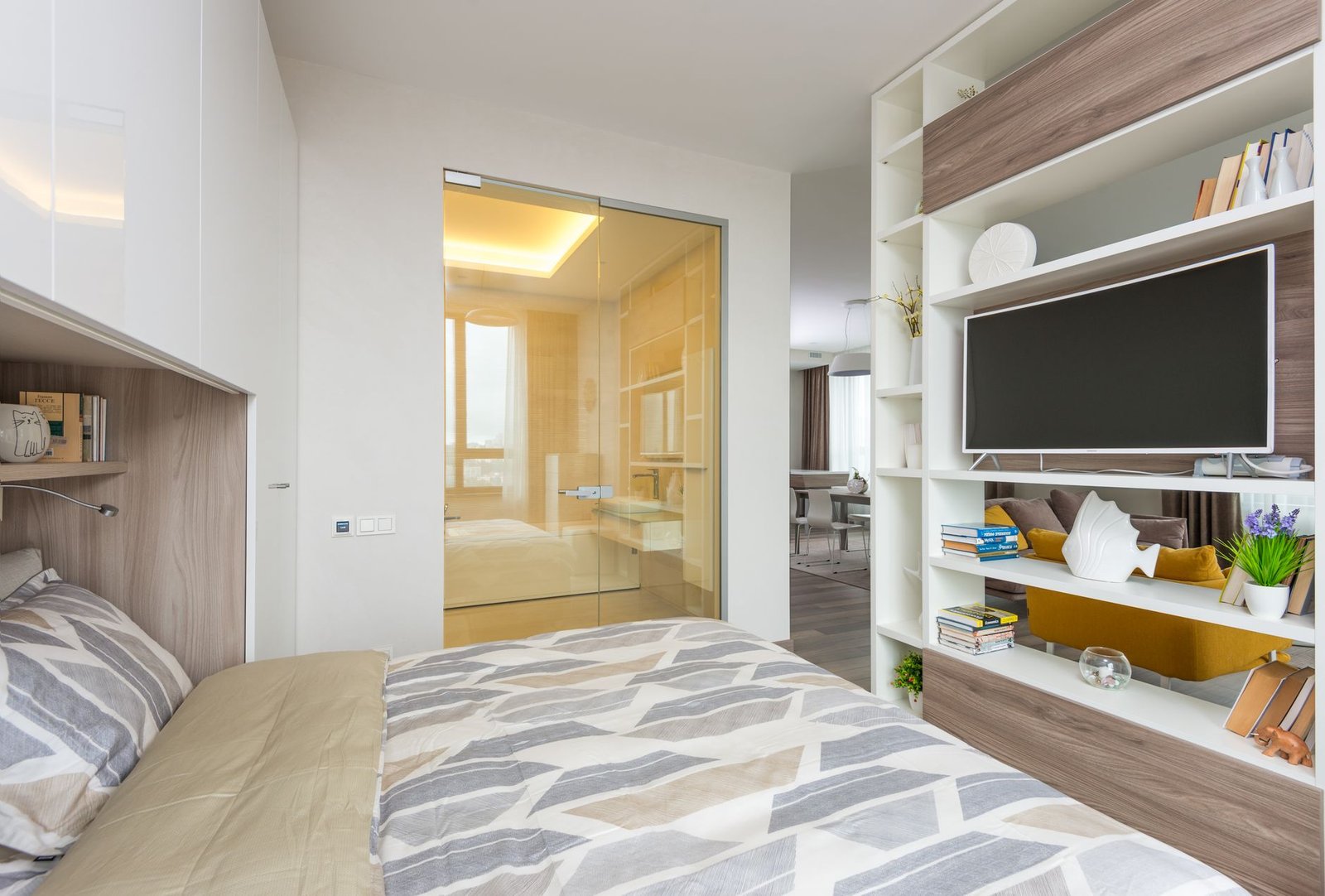
Many residents believe a king-size bed is an impossible luxury in a compact bedroom, but this is a misconception. With clever layout solutions and strategic furniture arrangements, it is entirely possible to comfortably integrate a king bed into a smaller space without sacrificing functionality or style. This guide explores innovative design approaches and leverages current industry trends to transform seemingly restrictive bedrooms into spacious, comfortable retreats.
The King Bed Conundrum in Compact Bedrooms
The allure of a king-size bed, offering unparalleled comfort and sprawling space, often clashes with the reality of modern bedroom dimensions. Standard king beds typically measure 76 inches wide by 80 inches long, demanding significant floor area. In a smaller bedroom, this can quickly lead to feelings of claustrophobia, restricted movement, and a lack of additional furniture. The challenge lies in harmonizing the desire for expansive sleeping quarters with the need for practical circulation paths and storage. However, by adopting a strategic mindset, homeowners can overcome these spatial limitations and enjoy the luxury of a king bed.
Strategic Layouts for King-Sized Comfort
The Wall-to-Wall Embrace
One of the most effective strategies for fitting a king bed into a narrow room is to place it against the longest wall, allowing minimal clearance on either side. This approach treats the bed as an integral, almost built-in, element of the room’s architecture.
- Benefits: This layout maximizes the open floor space at the foot of the bed and along the opposing wall, crucial for movement and placing other furniture.
- Considerations: It typically means only one side of the bed is easily accessible, which requires coordination for couples. Careful planning for nightstands is essential; wall-mounted shelves or slim, floating nightstands are often ideal.
- Tip for 2026: Consider integrating a custom headboard that spans the entire wall width, incorporating hidden storage compartments, charging ports, and subtle backlighting, which can visually expand the space.
Corner Placement Dynamics
Positioning the king bed into a corner can liberate significant wall space, offering a unique aesthetic and functional advantages. This arrangement places two sides of the bed against perpendicular walls.
- Benefits: This creates a cozy, cocoon-like sleeping zone and frees up two full walls for wardrobes, desks, or entertainment units. It can make the room feel less like a corridor and more like a dedicated sleeping sanctuary.
- Considerations: Access to the bed will be from only one long side and the foot. This setup might not suit every resident, especially those who prefer unhindered access from both sides.
- Tip for 2026: A bespoke L-shaped headboard with integrated shelving and ambient lighting can elegantly define this corner, utilizing otherwise dead space for practical storage and display.
Floating Bed Illusion (Platform Beds)
While not a layout strategy in itself, the choice of bed frame significantly impacts how a king bed is perceived in a small room. Low-profile platform beds can create the illusion of more space.
- Benefits: By reducing the visual bulk, a platform bed makes the room feel airier and less cluttered. Many platform designs also offer integrated drawers or hydraulic lift mechanisms for under-bed storage, effectively doubling as a dresser.
- Considerations: Ensure sufficient clearance for integrated drawers to open if choosing a model with this feature.
- Trend for 2026: Ultra-thin frame platform beds with integrated LED strip lighting underneath create a ‘floating’ effect, adding to the perception of open space and providing soft, ambient night lighting controlled by smart home systems.
Innovative Furniture and Material Trends for 2026
Modern design principles and technological advancements in 2026 offer an array of solutions specifically tailored for compact living spaces.
Multi-Functional and Modular Furniture
The key to small bedroom design is making every piece work harder. Multi-functional furniture reduces the total number of items needed.
- Examples: Ottoman benches with hidden storage at the foot of the bed can serve as seating, storage, and a surface. Wall-mounted console tables can act as nightstands or a compact workspace when needed. Modular wardrobe systems can be configured to fit exact wall dimensions, maximizing every inch.
- Trends for 2026: Expect to see more reconfigurable furniture pieces made from lightweight, durable composite materials that allow easy rearrangement. Integrated wireless charging pads in nightstands and headboards are becoming standard.
Integrated Storage Solutions
Beyond traditional dressers, 2026 emphasizes seamlessly integrated storage that doesn’t visually intrude on the space.
- Examples: Platform beds with deep, built-in drawers or hydraulic lift mechanisms are excellent. Headboards designed with shelving, cubbies, and even pull-out desks are increasingly popular. Full-wall built-in wardrobes, customized to the ceiling, utilize vertical space efficiently while providing a streamlined aesthetic.
- Trends for 2026: Smart storage solutions include sensor-activated interior lighting in wardrobes and drawers, and even vacuum-seal storage compartments within bed frames for seasonal items, accessible via smart home interfaces.
Advanced Material Applications
The materials used in 2026 furniture and finishes play a crucial role in both aesthetics and functionality.
- Trends: Sustainable, lightweight composite materials are prevalent, offering durability without bulk. Sound-dampening textiles and wall panels improve acoustics, creating a more peaceful retreat. Smart fabrics for bedding can regulate temperature and monitor sleep patterns. Ultra-thin yet robust finishes for furniture minimize visual depth.
- Benefits: These materials contribute to a lighter, airier feel, reduce noise, enhance comfort, and often have a lower environmental footprint.
Maximizing Vertical Space and Illumination
In smaller bedrooms, the perception of space is as important as actual square footage. Verticality and light are powerful tools.
Vertical Storage and Shelving
When floor space is limited, the walls become invaluable.
- Examples: Floor-to-ceiling bookshelves, wall-mounted cabinets above the bed or along an available wall, and floating shelves provide ample storage without taking up precious floor area.
- Considerations: While using vertical space, it is crucial to avoid overcrowding, which can lead to a cluttered appearance. Open shelving should be curated with care.
- Tip: Incorporate subtle, integrated LED lighting within shelves to highlight display items and add ambient light, further enhancing the sense of depth.
Strategic Lighting Placement
Thoughtful lighting can dramatically alter the perception of a small room.
- Examples: Wall-mounted sconces or pendant lights flanking the bed eliminate the need for bulky nightstand lamps. Recessed ceiling lights provide general illumination without visual intrusion. Integrated lighting strips within bed frames or headboards create a soft glow.
- Benefits: By keeping light fixtures off the floor and nightstands, valuable surface area is preserved. Layered lighting creates depth and ambiance, making the room feel larger and more inviting.
- Trends for 2026: Smart lighting systems with tunable white light and color-changing capabilities allow residents to adjust the mood and functionality of the lighting from a smartphone or voice assistant.
Mirrors and Reflective Surfaces
Mirrors are a classic and highly effective tool for expanding visual space and amplifying light.
- Benefits: A large mirror placed strategically can create the illusion of increased depth and width, making a small room appear significantly larger. It also bounces light around, brightening dim corners.
- Placement: Position a full-length mirror opposite a window to reflect natural light, or on wardrobe doors to serve a dual purpose. Mirrored furniture accents, such as a bedside table with a mirrored top, can also contribute to this effect.
- Trends for 2026: Statement mirrors with minimalist frames or integrated subtle backlighting add both function and a touch of modern sophistication, avoiding visual heaviness.
The Role of Color, Texture, and Biophilia
Beyond furniture and layout, subtle design choices significantly influence the feel of a compact bedroom.
Palette and Perception
Light and neutral color palettes for walls, ceilings, and large furniture pieces are invaluable for creating an expansive feel.
- Colors: Shades of white, cream, soft grey, and muted pastels reflect light and make walls recede, enhancing the perception of space. Bolder, deeper hues can be introduced sparingly through accent pillows, throws, or artwork to add character without overwhelming.
- Textures: Layering textiles such as soft throws, plush rugs, and textured bedding adds warmth and depth without clutter. Opt for lighter fabrics that drape well and avoid overly heavy or bulky textures that can visually shrink the room.
Biophilic Design Elements
Incorporating elements of nature can improve well-being and make a small space feel more open and connected to the outside.
- Benefits: Biophilic design enhances air quality, reduces stress, and adds organic beauty.
- Examples: Small, low-maintenance potted plants on a shelf or nightstand, natural wood finishes on furniture, or botanical-themed artwork can introduce a calming, natural aesthetic. Vertical living walls or preserved moss panels are gaining traction in 2026 as space-saving biophilic features.
Conclusion
The dream of a king-size bed in a small bedroom is not merely achievable; it can be realized with remarkable style and functionality. By embracing strategic layouts like wall-to-wall placement or corner dynamics, homeowners can maximize available space. Leveraging 2026’s innovative furniture designs – multi-functional pieces and integrated storage – further enhances practicality. Coupled with intelligent use of vertical space, strategic lighting, and reflective surfaces, even the most compact bedroom can comfortably accommodate a king bed, transforming it into a luxurious and efficient personal sanctuary.