
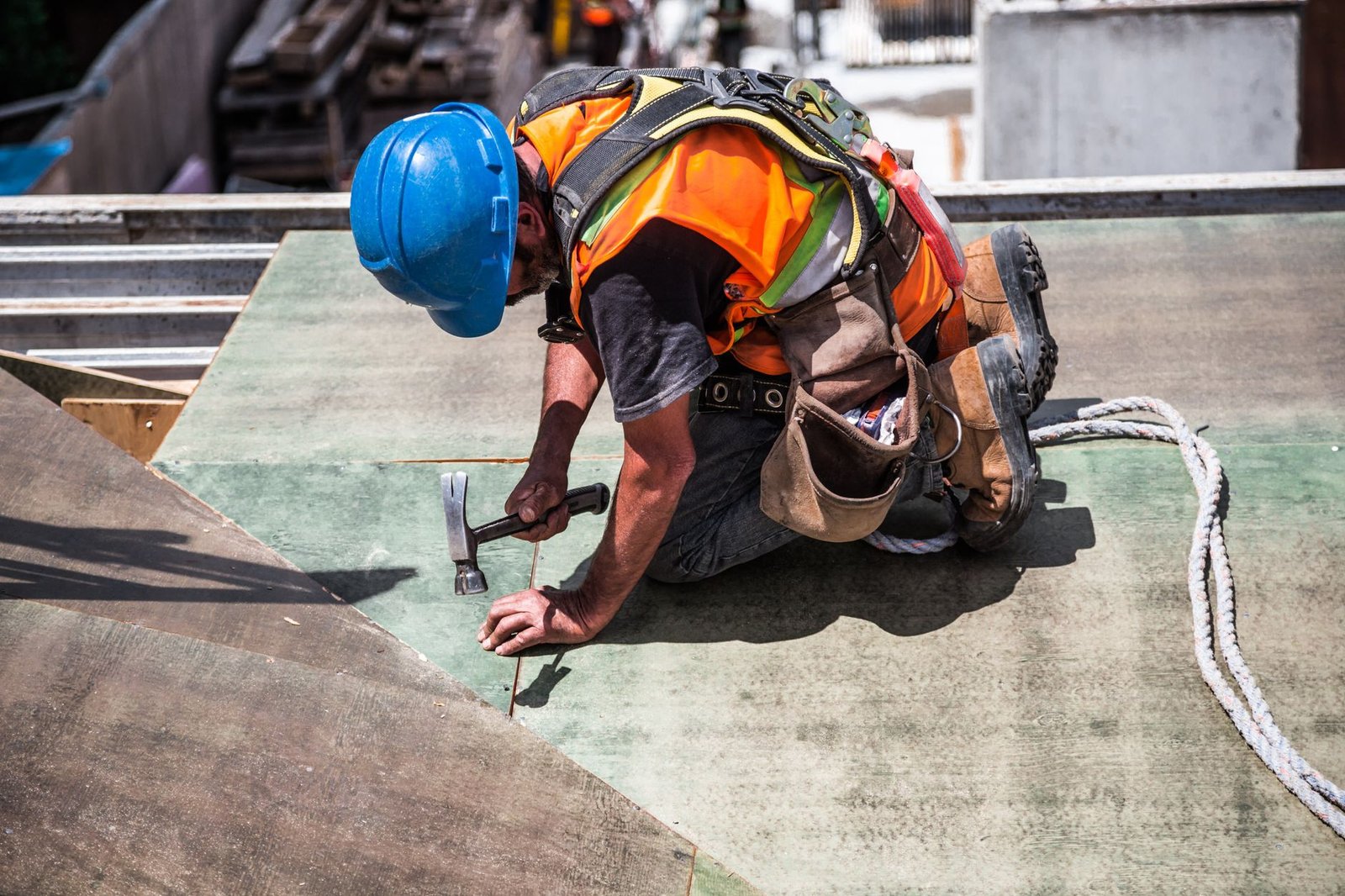
In 2026, homeowners considering new outdoor living spaces frequently weigh the merits of traditional wood against modern composite decking. When assessing pure durability for installations planned this year, composite decking generally demonstrates superior long-term resilience and resistance to degradation compared to conventional timber, largely due to ongoing advancements in material science. However, the lifespan of either material can be significantly influenced by initial material quality, diligent installation practices, and consistent maintenance, making a nuanced comparison essential for any informed decision regarding the homeowner’s property.
The Enduring Appeal of Natural Wood Decking
Initial Investment & Aesthetic Value
Natural wood decking continues to captivate residents with its inherent warmth, unique grain patterns, and authentic connection to the natural environment. For many, no synthetic material can fully replicate the tactile experience and visual depth of real timber. The initial material cost for traditional pressure-treated pine or cedar often presents a lower barrier to entry compared to high-end composite options. However, premium hardwoods like Ipe, Cumaru, or Teak, revered for their exceptional natural density and resistance to decay, command a significantly higher upfront investment. The aesthetic contribution of wood often enhances property value through its classic appeal, and the material allows for a high degree of customization during installation.
Maintenance Commitment for Longevity
The durability of natural wood is inextricably linked to the homeowner’s commitment to ongoing maintenance. To prevent warping, splitting, rotting, and discoloration, wood decks require regular cleaning, sanding, and the application of protective stains or sealants every one to three years, depending on the wood type and local climate. Neglecting these essential tasks can drastically reduce the deck’s lifespan, leading to costly repairs or premature replacement. Even with diligent care, some natural weathering, such as graying and minor surface imperfections, is inevitable over time, which some residents appreciate as part of wood’s character.
Environmental & Modern Wood Treatment Aspects
From an environmental perspective, wood is a renewable resource and biodegradable, especially when sourced from sustainably managed forests (e.g., FSC-certified). In 2026, advancements in wood treatment technologies offer enhanced durability for natural lumber. Thermally modified wood (TMW) and acetylated wood provide improved resistance to moisture, rot, and insects without the use of harsh chemicals, extending the material’s lifespan and reducing maintenance needs. These engineered wood products represent a modern compromise, offering much of wood’s natural beauty with significantly boosted resilience, albeit at a higher cost than untreated options.
The Evolution and Advantages of Composite Decking
Material Science Advancements in 2026
Composite decking, a blend of wood fibers and recycled plastics, has undergone significant innovation by 2026, positioning itself as a leader in low-maintenance durability. Modern composite boards predominantly feature multi-layer capstock technology, which involves an advanced polymer shell encasing the composite core. This protective layer provides superior resistance to scratching, fading, staining, and moisture absorption. Furthermore, cellular PVC decking, a fully synthetic option containing no wood fibers, represents the pinnacle of composite technology, offering even greater imperviousness to mold, mildew, and insects, making it an excellent choice for moisture-prone environments.
Unparalleled Maintenance & Expected Longevity
One of composite decking’s most compelling advantages is its minimal maintenance requirement. Beyond occasional cleaning with soap and water to remove dirt or debris, composite decks do not require sanding, staining, or sealing throughout their lifespan. This translates into significant savings in time, effort, and material costs for the homeowner over decades. Manufacturers commonly offer warranties ranging from 25 to 50 years, a testament to the expected longevity and inherent durability of these materials. The resistance to common wood ailments such as splinters, rot, and insect infestation ensures a consistently safe and aesthetically pleasing outdoor space.
Cost-Benefit Analysis Over Time
While the initial outlay for composite decking is typically higher than for traditional pressure-treated wood, a comprehensive cost-benefit analysis often reveals a different picture over the long term. The elimination of recurring maintenance expenses for stains, sealants, and repairs means that the total cost of ownership for composite decking can be considerably lower than wood within 10 to 15 years. This long-term financial advantage, combined with enhanced durability and reduced effort, makes composite decking a highly attractive investment for homeowners seeking a low-stress, high-performance outdoor solution.
Durability Factors and Long-Term Performance
Resistance to Weather Extremes
Both wood and composite decking face the relentless challenges of weather. Natural wood, even treated varieties, is susceptible to significant degradation from UV radiation, moisture, and temperature fluctuations. Sunlight can cause fading and graying, while repeated wetting and drying cycles can lead to warping, cracking, and checking. Severe humidity can promote mold and mildew growth. In contrast, modern composite decking, particularly capstock and PVC varieties, is engineered with advanced UV inhibitors and moisture-resistant polymers to withstand these elements. While some older composite formulations could exhibit thermal expansion, 2026 products feature improved stability, resisting significant warping or fading even in harsh climates.
Pest and Rot Resilience
The organic nature of wood makes it inherently vulnerable to wood-boring insects, such as termites and carpenter ants, as well as fungal rot. Even pressure-treated wood eventually loses its chemical efficacy, requiring ongoing inspection and potential remediation. This vulnerability necessitates proactive pest management and careful moisture control. Composite decking, on the other hand, is inorganic and impervious to pests and rot. The plastic components in composite materials provide no food source for insects or fungi, making these decks an excellent choice for areas prone to pest infestations or high humidity.
Wear, Tear, and Structural Integrity
The everyday wear and tear on a deck can impact its appearance and structural integrity over time. Natural wood is prone to dents, scratches, and splintering, particularly from furniture movement, foot traffic, or dropped objects. Repairs often involve sanding and re-staining specific areas. Composite decking, especially those with advanced capstock, offers superior resistance to surface damage. While no material is entirely indestructible, modern composites are designed to withstand significant abrasion, scuffing, and impact, maintaining a consistent appearance for decades. The consistent material properties of composite boards also contribute to stable structural performance over their long lifespan, reducing the likelihood of sagging or instability if properly installed.
Making the Informed Decking Decision for 2026
Assessing Budget and Lifestyle
The ultimate choice between wood and composite decking in 2026 hinges significantly on the homeowner’s budget and lifestyle. For those with a tighter initial budget, conventional wood decking can be more accessible, provided they are prepared for the ongoing financial and time commitment of maintenance. Individuals who prioritize minimal upkeep and are willing to invest more upfront for long-term convenience will find composite decking highly appealing. Consideration of how much time the resident wishes to spend cleaning, sealing, and repairing versus enjoying their outdoor space is paramount.
Long-Term Environmental Impact
The environmental footprint of decking materials is a growing concern. Wood, as a renewable resource, can be an environmentally conscious choice when sourced responsibly from certified forests. Its biodegradability at the end of its life cycle is a clear advantage. Composite decking, while incorporating recycled plastics and wood fibers, presents a different environmental profile. Its extreme longevity means less frequent replacement, reducing consumption over time, and the use of recycled content diverts waste from landfills. However, its non-biodegradable components require careful end-of-life disposal, often through recycling programs where available for composites.
Installation and Post-Installation Considerations
Installation methods also differ. Wood offers more flexibility for on-site customization, cutting, and shaping, making it a favorite for intricate designs. However, precise gapping is crucial to allow for wood’s natural expansion and contraction. Composite decking often utilizes specialized hidden fastener systems, providing a clean, screw-free surface appearance and streamlined installation. Proper gapping for composite materials is equally important to accommodate thermal expansion and contraction, which manufacturers specify precisely. Regardless of the material chosen, professional installation ensures optimal performance and adherence to warranty conditions, guaranteeing the longevity and safety of the deck for the homeowner.