
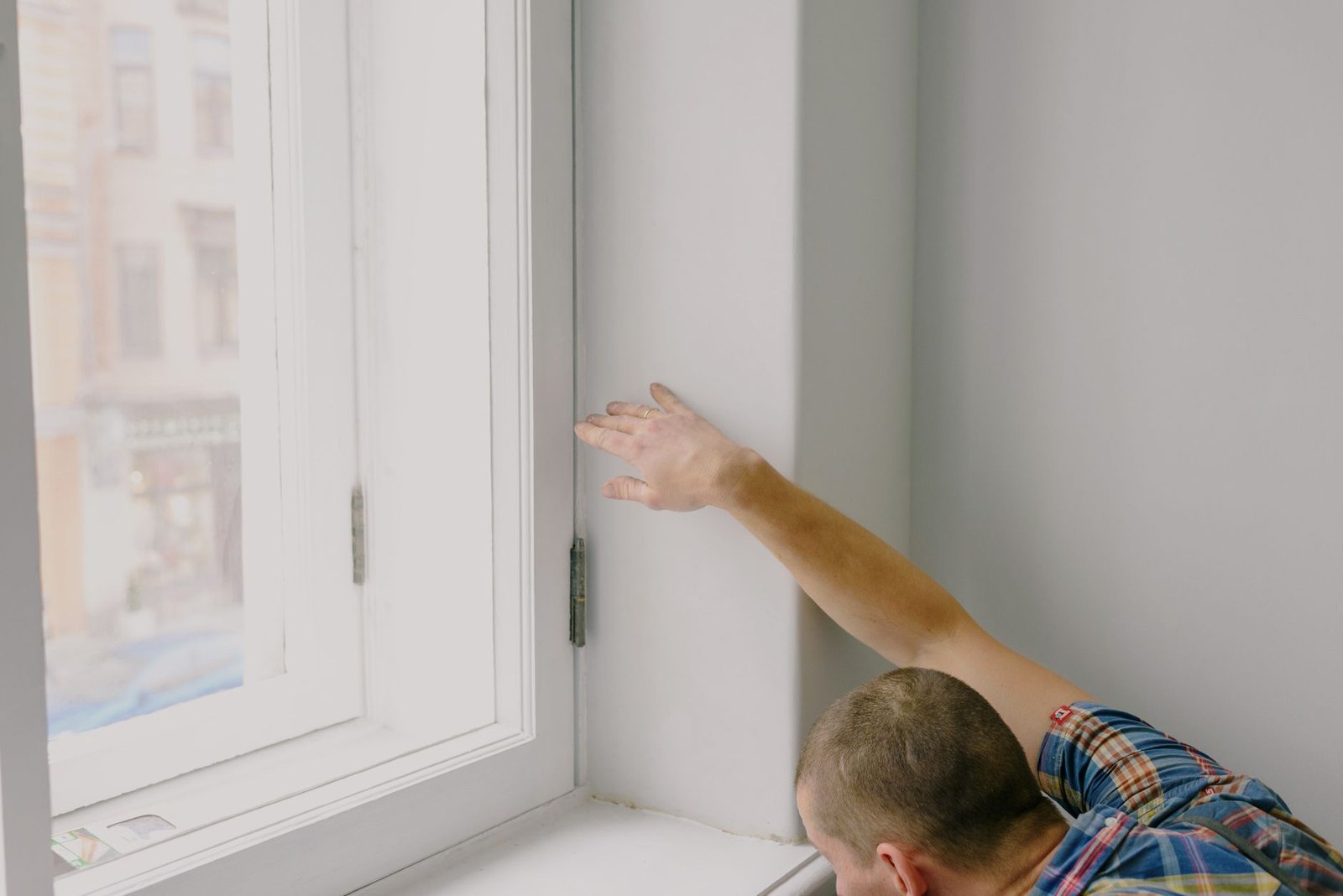
A drafty house in winter creates significant discomfort and leads to escalating heating bills. Identifying and sealing common air leaks is a highly effective and budget-friendly strategy for homeowners to enhance indoor warmth and significantly reduce energy consumption. This guide explores seven practical and affordable methods to address these vulnerabilities, leveraging modern materials and techniques for optimal results in 2026.
Understanding the Impact of Air Leaks on Home Comfort
Air leaks, often imperceptible to the casual observer, represent a substantial drain on a home’s energy efficiency. These uncontrolled air exchanges allow warm indoor air to escape and cold outdoor air to infiltrate, forcing heating systems to work harder and consume more fuel. Beyond the financial implications of higher utility bills, drafts create uncomfortable cold spots, diminish overall indoor air quality by introducing allergens and pollutants, and can even contribute to moisture issues within wall cavities. In 2026, with a growing global emphasis on energy conservation and sustainable living, addressing these thermal inefficiencies is not merely a matter of comfort but also a vital component of responsible home management. Modern homes increasingly utilize smart thermostats and zone heating, but their effectiveness is undermined when uncontrolled air movement is prevalent.
Identifying Common Sources of Air Infiltration
Before implementing solutions, it is crucial to pinpoint where air leaks originate. A thorough inspection can reveal surprising culprits. Common areas for air infiltration include gaps around windows and doors, openings where pipes and wires enter the home, electrical outlets and light switches on exterior walls, and penetrations in the attic or basement. Simple methods for detection involve a visual check for obvious cracks or gaps. For a more precise assessment, the “smoke test” involves holding an incense stick or smoke pen near suspected leak points on a windy day; if the smoke wavers or is drawn inward, an air leak is present. Advanced tools like thermal cameras, increasingly affordable for residential use or rental, can also visually highlight temperature differences indicating significant air movement. Focusing on areas where different building materials meet, or where construction elements penetrate the building envelope, often yields the most critical findings.
7 Budget-Friendly Ways to Seal Leaks and Save Heat
-
1. Upgrade Weatherstripping on Doors and Windows
Old, cracked, or missing weatherstripping is a primary culprit for drafts around operable windows and doors. Replacing it is a straightforward and inexpensive task. Modern weatherstripping options available in 2026 include highly durable silicone, robust EPDM rubber, and compressible foam strips. Silicone options offer superior longevity and flexibility, maintaining their seal in extreme temperatures. V-strips, made from vinyl or metal, are excellent for sealing sliding sash windows. The resident should ensure the chosen material is appropriate for the gap size and movement of the window or door, ensuring a tight, long-lasting seal.
-
2. Caulk Gaps and Cracks
Caulking is one of the most effective and affordable methods for sealing stationary gaps and cracks around window and door frames, utility penetrations (such as those for electrical conduits or plumbing pipes), and where dissimilar materials meet. For optimal results, existing old or deteriorated caulk should be removed. Acrylic latex caulk with silicone additives offers excellent adhesion, flexibility, and paintability, making it ideal for interior and exterior use. For larger gaps or areas subject to more movement, elastomeric sealants or expanding foam sealants, which have seen significant advancements in eco-friendliness and low-VOC formulations, provide superior performance. When applying caulk, a steady hand and a quality caulk gun are essential for a professional, durable finish.
-
3. Install Gaskets on Electrical Outlets and Switch Plates
Electrical outlets and light switches on exterior walls or uninsulated interior walls can be significant sources of heat loss. Cold air can easily pass through the small gaps around the electrical boxes and behind the cover plates. Installing inexpensive foam gaskets behind these plates is a quick, simple, and remarkably effective solution. Fire-rated gaskets are also available, offering an additional layer of safety. This task requires turning off power to the circuit for safety before removing the plates, inserting the gasket, and replacing the plate.
-
4. Utilize Door Sweeps and Thresholds
The gap at the bottom of exterior doors is a common entry point for drafts. Installing an effective door sweep or adjusting the threshold can dramatically reduce this air leakage. Door sweeps are available in various materials, including vinyl, rubber, and brush seals. Automatic door bottoms, a more advanced but still budget-friendly option, drop a seal when the door closes and retract when it opens, preventing wear and tear. For existing thresholds, ensuring they are properly adjusted and in good condition can also make a substantial difference in preventing cold air infiltration.
-
5. Apply Window Insulation Film Kits
For windows that are particularly drafty or single-pane, temporary window insulation film kits offer a cost-effective solution. These kits involve applying a clear plastic film to the inside of the window frame and shrinking it tight with a hairdryer, creating an insulating air pocket between the window pane and the film. While temporary, typically removed in spring, they can significantly reduce heat loss through glass surfaces. Low-emissivity (Low-E) films are also gaining traction as DIY options, providing year-round benefits by reflecting heat, making them a slightly more investment-worthy choice for certain window types.
-
6. Employ DIY Draft Stoppers
Simple fabric “draft snakes” or “door socks” can be incredibly effective for blocking air leaks at the base of doors and windows, especially those that are infrequently used. These can be easily crafted by filling a tube of fabric with rice, sand, or even old towels. While seemingly low-tech, their immediate impact on comfort is often surprising. For residents seeking a decorative touch, these items can be personalized to complement the interior design of a room, adding both function and aesthetic appeal.
-
7. Insulate Attic Hatch and Pull-Down Stairs
The attic hatch or pull-down stairs often represents a significant, unsealed hole in a home’s thermal envelope. Heat rises, and if this access point is not properly sealed and insulated, substantial heat loss can occur. Budget-friendly solutions include attaching weatherstripping around the perimeter of the hatch opening and covering the top of the hatch with a rigid foam insulation board or an attic stair insulation cover. These covers, often made with reflective insulation and a zippered closure, create an insulated barrier that dramatically reduces air transfer between conditioned living spaces and the unconditioned attic.
Achieving Long-Term Comfort and Sustainable Savings
Proactively identifying and sealing air leaks is a foundational step toward creating a more comfortable, energy-efficient, and sustainable home environment. The cumulative effect of these budget-friendly improvements can lead to significant reductions in heating costs, enhancing the property’s overall energy performance and reducing its carbon footprint. Beyond the financial benefits, the immediate improvement in indoor comfort—eliminating drafts and maintaining more stable temperatures—contributes directly to the well-being of residents. Regular inspection of these sealed areas and periodic reapplication of sealants as needed will ensure the ongoing effectiveness of these strategies. Investing a small amount of time and resources into these measures yields substantial returns in comfort and savings for years to come.