
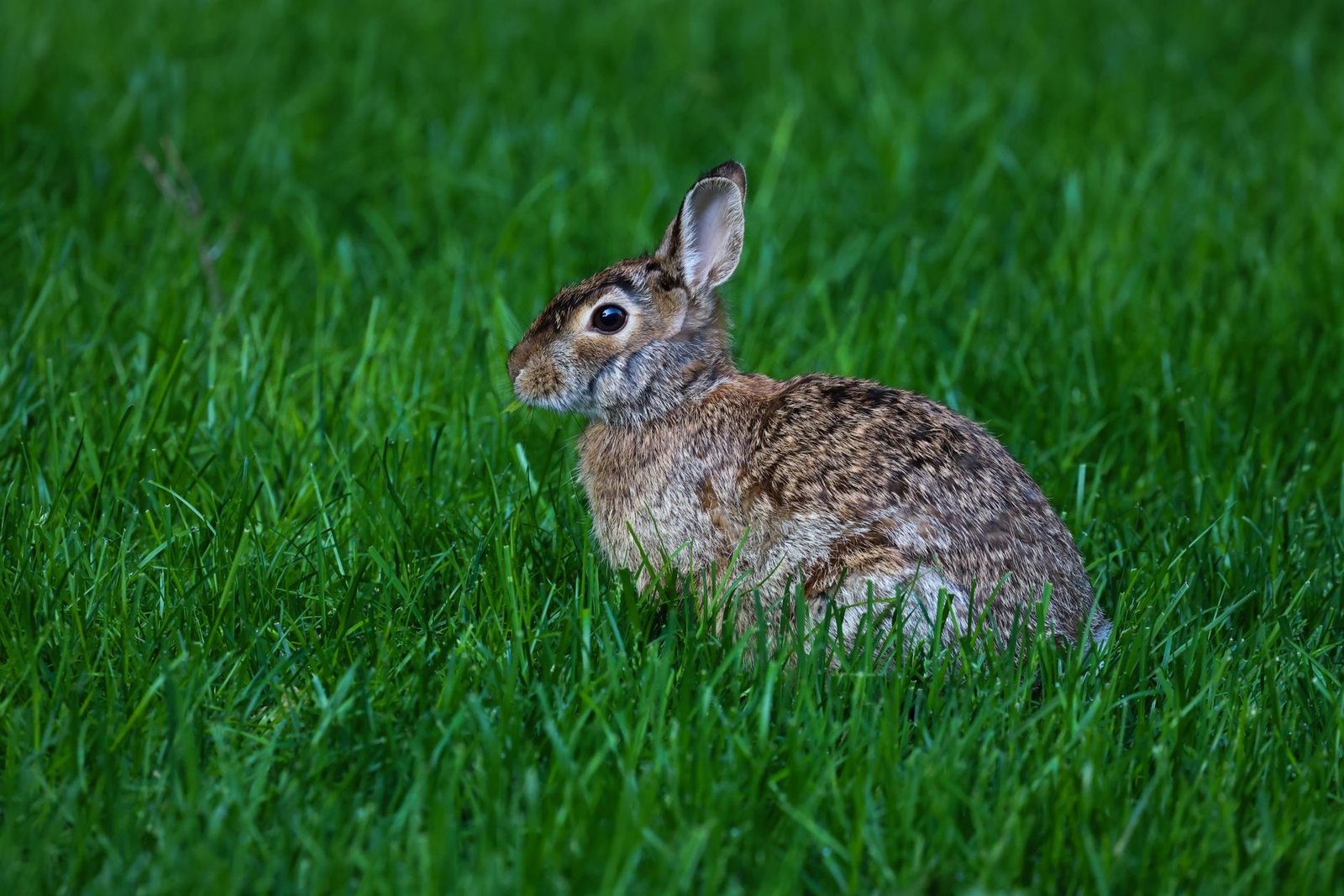
The sight of a thriving garden can quickly turn to frustration when persistent rabbits begin to consume prized plants. For homeowners seeking sustainable and humane solutions to safeguard their landscape, effective natural deterrence methods are readily available. This article explores seven natural ways to protect garden plants from rabbits in 2026, integrating contemporary gardening trends and material innovations to ensure a harmonious outdoor space.
Understanding the Challenge: Why Rabbits Target Gardens
Rabbits are opportunistic feeders, attracted to tender young shoots, leafy greens, and various ornamental plants. Their presence in a garden can lead to significant damage, impacting both aesthetic appeal and harvest yields. Understanding their feeding habits and preferred plants is the initial step toward effective deterrence. As ecological awareness grows in 2026, the focus shifts towards humane and environmentally conscious strategies rather than harmful chemical interventions.
7 Natural Plant Protection Methods for 2026
1. Implement Secure Physical Barriers
One of the most effective and direct methods involves creating physical barriers. For 2026, advancements in sustainable materials offer discreet yet robust options. Implementing galvanized wire mesh or hardware cloth fencing at least two feet high and buried six inches deep effectively prevents burrowing. Modern composite materials, often incorporating recycled plastics or bamboo fibers, provide durable, aesthetically pleasing, and eco-friendly alternatives to traditional metal or wood. Furthermore, smart, retractable netting systems are gaining traction, allowing for easy deployment during vulnerable periods and discreet retraction when not needed, blending seamlessly with modern landscape designs. Raised garden beds, especially those with integrated pest skirts, also provide an elevated barrier.
2. Strategic Companion Planting
Leveraging nature’s own defenses, companion planting involves situating plants that rabbits dislike near those they favor. Many aromatic herbs and strong-scented flowers act as natural deterrents. Examples include rosemary, mint, garlic, onions, marigolds, and lavender. The strong odors these plants emit can mask the appealing scent of vulnerable crops, making the garden less attractive to rabbits. For 2026, heirloom varieties known for potent aromas are seeing renewed interest, alongside biodynamic planting schemes that prioritize ecological balance and natural pest control.
3. Utilize Natural Scent and Taste Repellents
Various natural substances can make garden plants unappealing to rabbits. Options include powdered red pepper, garlic spray, or diluted hot sauce applied directly to foliage (reapplication after rain is essential). Commercial, eco-certified repellents derived from putrescent egg solids, capsaicin, or essential oils are increasingly sophisticated, often featuring slow-release formulations or micro-encapsulation technologies for extended efficacy in 2026. These modern formulations minimize the need for frequent reapplication, aligning with low-maintenance gardening preferences. Applying these repellents consistently creates an undesirable environment for browsing rabbits without causing harm.
4. Manage Garden Habitat and Landscape
Rabbits seek shelter and hiding spots, often in overgrown areas, dense shrubbery, or piles of debris. By maintaining a tidy garden and reducing potential cover, homeowners can make their property less inviting. Clearing brush piles, keeping grass mown, and trimming lower branches of shrubs eliminate places where rabbits feel safe. Additionally, encouraging natural predators, such as owls, hawks, and foxes, through habitat creation (e.g., installing owl boxes or leaving specific natural features undisturbed) can indirectly contribute to rabbit control, maintaining ecological equilibrium. The 2026 emphasis on biodiversity and native landscaping naturally supports these beneficial wildlife interactions.
5. Employ Smart Scare Devices
Unexpected movements or sounds can startle rabbits and deter them from a garden. Modern scare devices have evolved beyond simple plastic owls. Solar-powered, motion-activated sprinklers or sonic repellers are popular for 2026. These devices activate when a rabbit approaches, delivering a harmless burst of water or an ultrasonic sound that is unpleasant to animals but often inaudible to humans. Reflective objects or wind chimes can also provide visual and auditory deterrents, though their effectiveness may diminish over time as animals habituate. Integrated smart home systems are beginning to offer garden-specific modules that can coordinate these deterrents with other landscape management tools.
6. Embrace Integrated Pest Management (IPM) Principles
A holistic approach, IPM combines various strategies for long-term pest control. Instead of relying on a single method, IPM advocates for a layered defense. For rabbit deterrence, this means combining physical barriers with repellent plants, habitat management, and occasional scare tactics. Regular observation of the garden for signs of rabbit activity allows for timely intervention and adaptation of methods. This proactive and integrated approach is a cornerstone of sustainable gardening in 2026, focusing on preventing damage rather than reacting to it, and minimizing ecological impact.
7. Optimize Garden Bed Elevation and Container Gardening
Elevating plants physically removes them from easily accessible ground level. Raised garden beds are an excellent solution, especially when constructed with higher walls (at least 24 inches). For 2026, modular raised bed systems made from durable, food-safe recycled plastics or naturally rot-resistant timber composites are trending, offering customization and longevity. Container gardening provides even greater flexibility, allowing vulnerable plants to be grown on elevated patios or indoors during peak rabbit activity. Modern self-watering containers and vertical garden systems further enhance the practicality of elevated planting for diverse urban and suburban environments.
Maintaining a Rabbit-Resilient Garden in 2026
Effective rabbit deterrence requires persistence and a multi-faceted approach. Regularly inspecting the garden for new signs of activity and adjusting strategies as needed is crucial. Rotating repellent plants, refreshing natural sprays, and checking physical barriers for breaches ensures ongoing protection. By adopting these humane and natural methods, homeowners can cultivate thriving gardens that remain safe from rabbit damage, aligning with the ecological and sustainable gardening ethos of 2026. A harmonious balance between garden beauty and wildlife coexistence is achievable through thoughtful planning and consistent application of these protective measures.