
Determining the exact cost of installing a mini-split AC system in 2026 involves several variables, but homeowners can expect a typical investment ranging from $2,500 to $15,000 per zone. This range encompasses equipment, labor, and ancillary components, with single-zone systems usually falling at the lower end and complex multi-zone installations with advanced features nearing the higher spectrum. The final price tag is significantly influenced by the system’s capacity, the number of indoor units required, installation complexity, and regional labor rates, all of which demand careful consideration for an accurate budget.
Understanding Mini-Split AC Systems in 2026
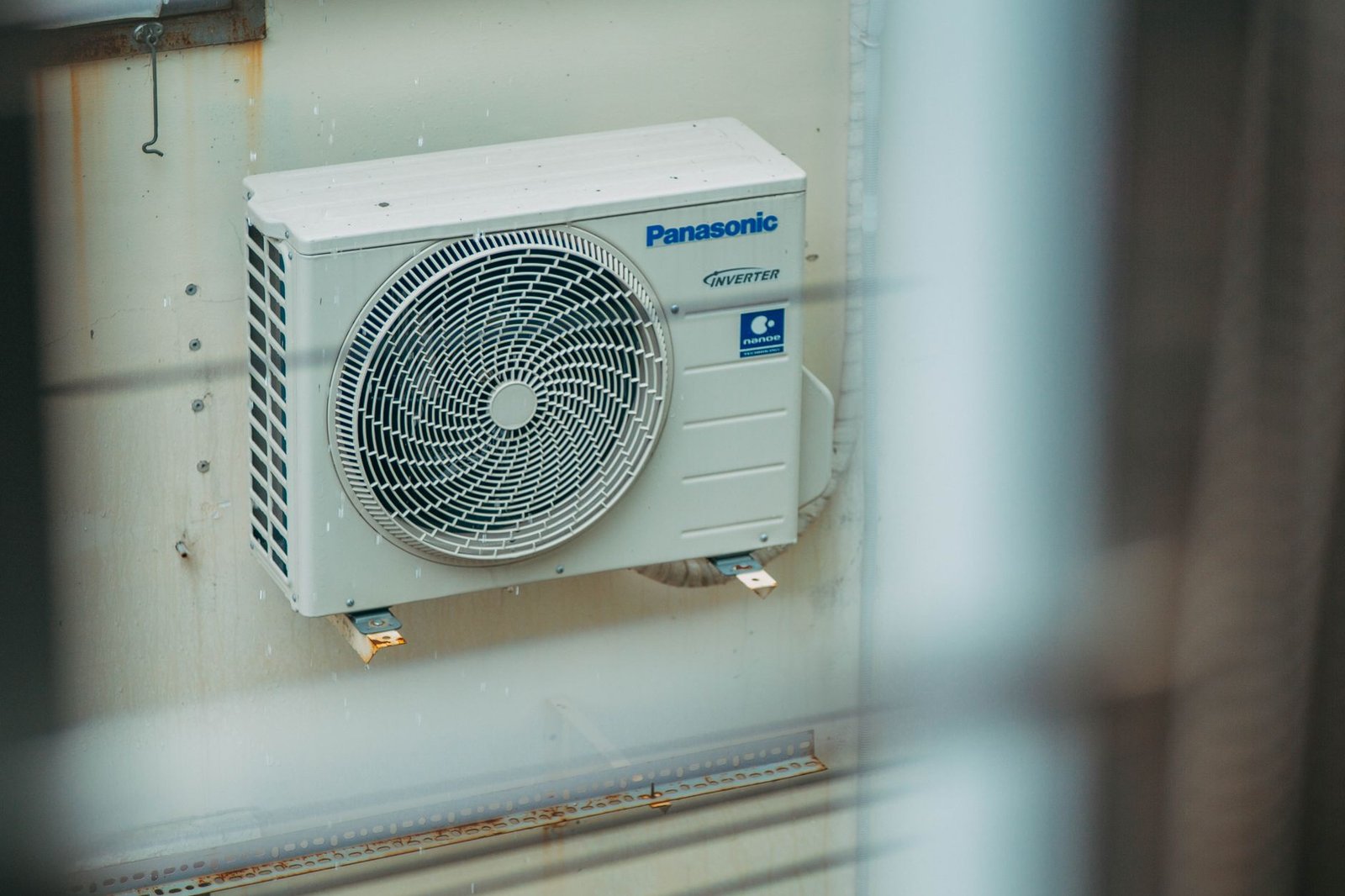
Ductless mini-split air conditioning systems continue to gain prominence in 2026 as a highly efficient and flexible solution for targeted cooling and heating. These systems consist of an outdoor compressor/condenser unit connected to one or more indoor air-handling units via a conduit that houses refrigerant lines, power cables, and a condensate drain. Their primary appeal lies in providing zoned comfort, allowing individual control over different areas of a property, thus minimizing energy waste associated with cooling or heating unoccupied spaces.
The 2026 landscape for mini-split technology sees significant advancements. Modern units boast quieter operation, often incorporating enhanced acoustic insulation and advanced fan designs. Filtration systems are more sophisticated, capable of capturing finer particulates and allergens, contributing to improved indoor air quality. Aesthetically, indoor units are sleeker and available in various designs to better integrate with contemporary interiors. Furthermore, the push for environmental sustainability means more manufacturers are adopting refrigerants with lower global warming potential, such as R-32, which is becoming increasingly standard.
Key Factors Influencing Mini-Split Installation Costs
Equipment Types and Capacity
The core of the mini-split system, the equipment itself, represents a substantial portion of the overall cost. Single-zone systems, designed for cooling one specific area, are generally less expensive than multi-zone systems, which can support up to eight indoor units from a single outdoor condenser. The BTU (British Thermal Unit) capacity, which dictates the system’s cooling and heating power, also directly affects the price. Larger spaces or areas with high heat loads require higher BTU units, leading to increased equipment costs.
In 2026, most mini-split systems feature advanced inverter technology, allowing the compressor to vary its speed and output, leading to superior energy efficiency and more consistent temperature control. While these units may have a higher upfront cost than older fixed-speed models, their long-term operational savings often justify the initial investment. Homeowners must ensure the system’s capacity is correctly matched to the space to avoid inefficiencies.
Installation Complexity
Installation labor is a critical cost driver. Factors increasing complexity include:
- Line Set Length: Longer distances between the indoor and outdoor units require more refrigerant lines, conduit, and labor.
- Electrical Upgrades: Older properties might need electrical panel upgrades or dedicated circuits to accommodate the new system, adding significant expense.
- Drilling and Penetration: Drilling through various wall materials (e.g., brick, concrete versus drywall) requires different tools and time.
- Accessibility: Installations in hard-to-reach areas, such as high walls or attics, can increase labor hours.
- Condensate Drainage: Ensuring proper drainage for condensate can sometimes require a pump, especially if gravity drainage isn’t feasible, adding to material and labor costs.
Geographic Location and Labor Rates
Labor costs for professional HVAC technicians vary significantly by region. Urban areas or regions with a higher cost of living typically have higher hourly rates than rural areas. It is imperative for the resident to obtain quotes from multiple licensed and insured contractors to compare local pricing.
Permits and Inspections
Most localities require permits for HVAC installations to ensure compliance with building codes and safety standards. The cost of these permits varies but is a mandatory expense. Post-installation inspections are often part of the permit process, ensuring the system is installed correctly and safely.
Smart Home Integration and Advanced Features
The 2026 market offers mini-split systems with increasingly sophisticated smart home capabilities. Units with built-in Wi-Fi connectivity, AI-driven scheduling, occupancy sensors, and compatibility with universal smart home protocols like Matter or Thread can enhance convenience and efficiency. While these features add to the initial cost, they can provide greater control over energy usage and personalized comfort. Predictive maintenance features, where the unit can self-diagnose minor issues and alert the homeowner or service provider, are also becoming more prevalent and can prevent costly breakdowns.
Energy Efficiency Ratings
The Seasonal Energy Efficiency Ratio 2 (SEER2) and Heating Seasonal Performance Factor 2 (HSPF2) ratings are crucial indicators of a mini-split system’s efficiency. Systems with higher SEER2/HSPF2 ratings consume less energy to operate, leading to lower utility bills over the system’s lifespan. While higher-efficiency units often have a greater upfront cost, the long-term energy savings frequently offset this initial expense, making them a wise investment for the fiscally conscious homeowner.
Emerging Technologies and Materials
Innovations in 2026 also include advancements in material science. For instance, enhanced insulation in refrigerant lines and improved outdoor unit design contribute to better performance and durability. Research into more environmentally friendly and efficient refrigerants continues, with a growing emphasis on low-GWP (Global Warming Potential) options. These material and technological shifts can subtly influence the overall cost structure, balancing performance gains with production expenses.
Breaking Down the Cost: Equipment, Labor, and Additional Expenses
A detailed breakdown helps in understanding the expenditure:
- Equipment Costs ($700 – $8,000+ per zone): This covers the outdoor condenser and indoor air handler(s). Single-zone units are typically $700 – $3,000, while multi-zone systems can range from $2,000 to $8,000 or more, depending on the number of zones and total BTU capacity.
- Labor Costs ($500 – $3,000+ per zone): Installation labor can take 4-10 hours for a single-zone system and significantly longer for multi-zone setups. Hourly rates for HVAC technicians typically range from $75 to $150 per hour. Complex installations will naturally incur higher labor costs.
- Ancillary Materials and Services ($300 – $2,000+):
- Electrical Work: Upgrading wiring or installing a dedicated circuit ($200 – $1,000+).
- Mounting Brackets and Stands: For indoor and outdoor units ($50 – $200).
- Condensate Pumps: If gravity drainage isn’t feasible ($100 – $300).
- Permits: Varies by municipality ($50 – $500).
- Line Set Covers: For aesthetic purposes and protection ($50 – $200).
- Old Unit Removal and Disposal: ($100 – $300).
Therefore, a basic single-zone mini-split installation might cost around $2,500 – $4,500. A multi-zone system for a medium-sized property could range from $6,000 – $10,000, and larger, more complex installations with premium features could exceed $15,000.
Maximizing Value: Smart Choices and Future Savings
To maximize the return on investment for a mini-split AC system, several considerations are paramount:
- Professional Assessment: An experienced HVAC professional can accurately assess the property’s specific heating and cooling needs, ensuring the correct system size and configuration. Oversized or undersized units lead to inefficiencies and reduced comfort.
- Long-Term Efficiency: While initial costs are important, focusing solely on the lowest price can be misleading. Investing in a higher SEER2/HSPF2 rated unit, even if slightly more expensive upfront, often results in significant energy bill savings over the system’s operational life.
- Regular Maintenance: Adhering to manufacturer-recommended maintenance schedules, including filter cleaning/replacement and professional tune-ups, ensures optimal performance, longevity, and efficiency.
- Rebates and Incentives: In 2026, homeowners should research available federal, state, and local energy efficiency rebates or tax credits for installing high-efficiency HVAC systems. These incentives can significantly reduce the net cost of installation.
- Integrated Control: Utilizing smart thermostats or the system’s integrated smart features for zoned control and scheduling can further enhance efficiency by ensuring comfort only where and when needed.
Conclusion
The investment in a mini-split AC system in 2026 offers unparalleled comfort, energy efficiency, and zoned climate control. While the cost can range widely from $2,500 to $15,000+ per zone, this variance is largely attributable to equipment type, system capacity, installation complexity, and advanced features. Homeowners are advised to prioritize a thorough professional assessment, obtain multiple detailed quotes from licensed contractors, and consider the long-term operational savings and comfort benefits alongside the initial outlay. By carefully evaluating these factors, the resident can make an informed decision that enhances domestic comfort and contributes to overall home wellness for years to come.