When considering window treatments for contemporary homes, the perennial debate between curtains and blinds remains central to achieving optimal privacy and light control. In 2026, while both options continue to offer distinct advantages, the choice often hinges on specific functional priorities, aesthetic aspirations, and the integration of smart home technology. Curtains typically excel in offering superior insulation and a softer, more enveloping aesthetic, often providing comprehensive privacy when fully closed. Blinds, on the other hand, deliver precise control over light angles and offer a sleek, modern profile that can be seamlessly integrated into minimalist or technologically advanced living spaces.
Privacy Performance: Curtains vs. Blinds
Achieving robust privacy is a primary concern for homeowners, and both curtains and blinds present effective solutions, albeit with varying approaches. Curtains, particularly those crafted from heavy, opaque fabrics like velvet or blackout thermal weaves, offer an unparalleled barrier against external gazes. When drawn, they create a solid, impenetrable wall, ensuring complete visual seclusion. The 2026 market sees an increase in multi-layered curtain systems, combining sheer fabrics for daytime light filtering with heavy, sound-dampening panels for nighttime privacy and enhanced thermal performance. Fabric advancements include sustainable cellulose fibers and recycled synthetics that maintain luxurious drape and hand.
Enhanced Privacy with Curtains
- Total Visual Blockage: Heavy drapes completely obscure views into the home.
- Insulation and Sound Dampening: Thicker fabrics contribute to both thermal and acoustic privacy, a key consideration for urban residences.
- Customization: Unlimited options for fabric density, lining, and stacking styles allow for tailored privacy solutions.
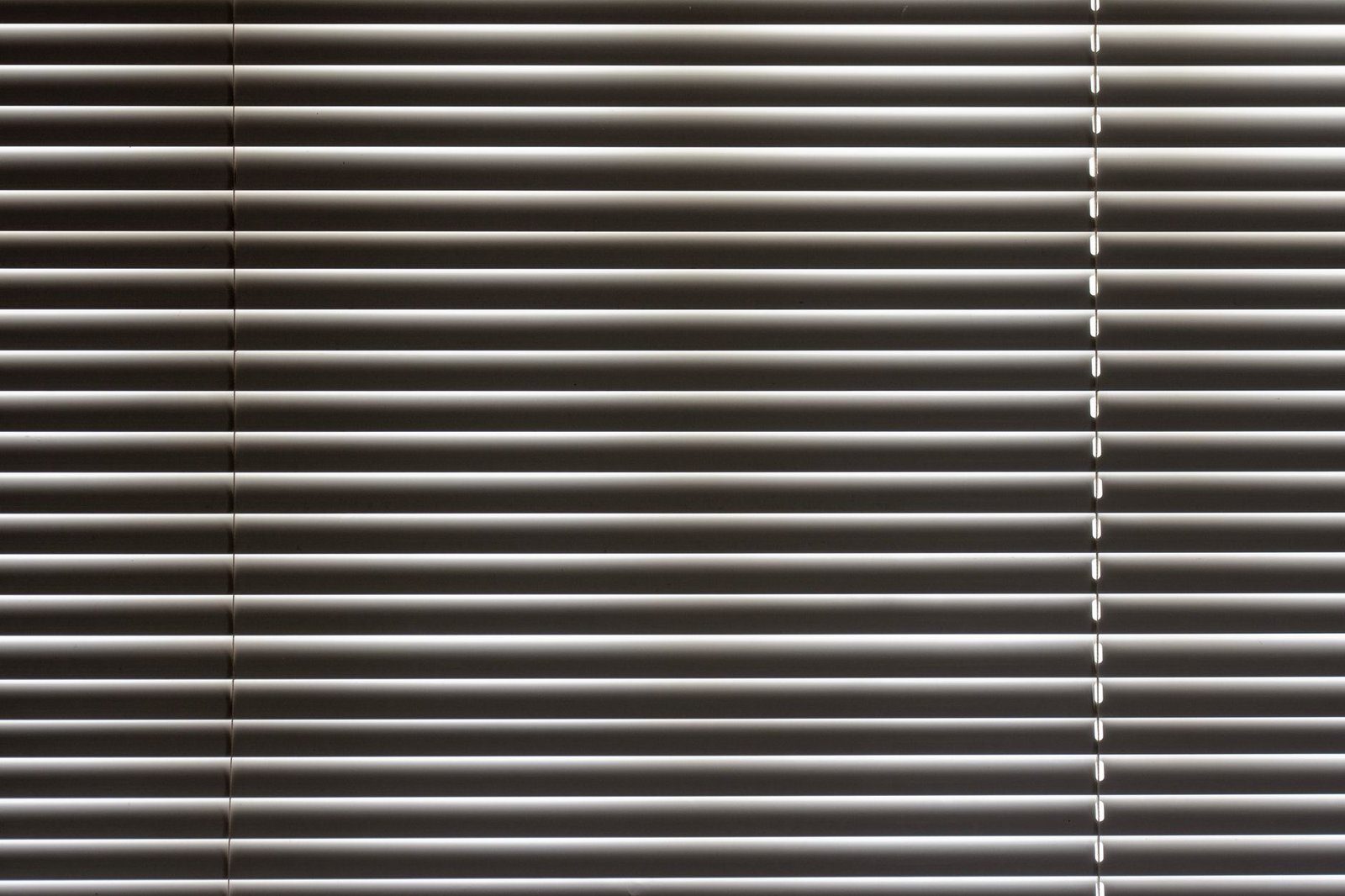
Blinds, conversely, offer a different form of privacy. Options like Venetian, vertical, and cellular blinds provide adjustable slats or cells that can be tilted to allow light in while simultaneously blocking direct lines of sight. This allows the resident to maintain a connection to the outside world without compromising personal space. Smart blind systems, prevalent in 2026, can be programmed to adjust throughout the day, maximizing privacy during peak hours without manual intervention. Materials like bamboo, sustainable wood composites, and advanced PVC are popular, offering durability and diverse aesthetic finishes.
Precision Privacy with Blinds
- Adjustable Slats/Cells: Allows for selective privacy while admitting natural light.
- Top-Down/Bottom-Up Options: Cellular and Roman blinds can be adjusted to cover only the lower or upper portion of the window, offering privacy where needed without sacrificing light.
- Motorized & Smart Integration: Automated adjustments based on time, sunlight, or occupancy sensors enhance convenience and privacy management.
Light Control Capabilities
The ability to manage natural light is critical for interior comfort, energy efficiency, and mood setting. Curtains, through their fabric density and layering potential, offer versatile light control. Sheer curtains can diffuse harsh sunlight, creating a soft ambient glow, while blackout lining can completely eliminate light, ideal for bedrooms or media rooms. The trend in 2026 leans towards dynamic layering – combining automated sheer drapes with heavier, smart-controlled blackout panels – to achieve nuanced light management throughout the day. Innovations in electrochromic textiles are also beginning to appear, allowing for fabric opacity adjustments.
Curtains: Flexible Light Management
- Total Blackout: Achieved with specialized blackout linings, crucial for sleep health.
- Soft Diffusion: Sheer and semi-sheer fabrics filter light, reducing glare.
- Layering Versatility: Multiple layers allow for dynamic adjustment from full light to complete darkness.
Blinds, by their very design, are engineered for precise light control. Venetian and vertical blinds allow for minute adjustments of slat angles, directing light upwards, downwards, or completely blocking it. Roller and Roman blinds offer options from light-filtering to blackout fabrics, operated with smooth, often motorized, mechanisms. The advent of smart glass and photochromic film integration directly into blind systems means even finer control is possible, with some systems offering dynamic tinting at the touch of a button. Solar blinds, designed to reduce heat gain, are also increasingly popular, reflecting UV rays while maintaining outward visibility.
Blinds: Engineered Light Precision
- Directional Control: Slat rotation on Venetian and vertical blinds allows for specific light channeling.
- Graduated Light Filtering: Cellular blinds can offer varying opacities in different cells.
- Automated & Sensor-Driven: Smart blinds can react to external light levels, optimizing interior illumination automatically.
Aesthetic Impact and 2026 Trends
Beyond functionality, window treatments play a pivotal role in a home’s overall aesthetic. In 2026, interior design trends emphasize sustainability, organic textures, integrated technology, and personalized minimalism. The choice between curtains and blinds significantly influences the perception of a space.
Curtains and Contemporary Aesthetics
Curtains often introduce softness, warmth, and a sense of grandeur to a room. The 2026 aesthetic favors natural, sustainable fabrics such as organic cotton, linen, hemp blends, and recycled polyester. Earthy tones, muted pastels, and biophilic patterns are prominent. Floor-to-ceiling drapes create an illusion of height, while wave-fold or S-fold headings offer a clean, contemporary ripple effect. Smart track systems, often concealed, allow for silent motorization, integrating seamlessly into high-tech living spaces without visual clutter. The trend towards tactile luxury means rich textures are highly sought after, providing visual interest and comfort.
Blinds and Modern Minimalism
Blinds align perfectly with modern, minimalist, and smart home aesthetics. Their clean lines and understated profiles do not distract from other design elements. Materials like reclaimed wood, bamboo, aluminum composites, and performance fabrics in neutral palettes (grays, whites, muted greens) are popular. Integrated smart systems that allow blinds to disappear into recessed headrails when fully open are highly desirable. The sleek, uncluttered look of roller blinds, especially those with advanced thermal properties, is favored in architectural designs focusing on efficiency and understated elegance. Smart blinds are not merely functional but are integral design elements, often controlled via voice assistants or integrated home automation platforms.
Making the Informed Choice in 2026
The decision between curtains and blinds in 2026 is not about a single ‘better’ option, but rather about aligning the homeowner’s specific needs with the available innovations. For those prioritizing maximal thermal and acoustic insulation, a plush, enveloping aesthetic, and total light blockage, modern curtains, especially with advanced linings and automated tracks, present a compelling choice. They offer a luxurious, comforting presence that enhances the sensory experience of a room.
Conversely, for spaces demanding precise, dynamic light management, a sleek, uncluttered visual profile, and seamless integration with smart home ecosystems, contemporary blinds are often superior. Their ability to deliver nuanced control over privacy and light, often through automated and sensor-driven mechanisms, aligns perfectly with the evolving demands for smart, efficient, and minimalist living environments.
Ultimately, the optimal solution for a particular window or room may even involve a thoughtful combination of both – perhaps sheer blinds for daytime privacy and light diffusion, paired with automated blackout drapes for nighttime seclusion and enhanced insulation. The 2026 market offers an unprecedented array of materials, technologies, and design approaches, empowering the resident to tailor their window treatments to achieve the perfect balance of privacy, light control, and aesthetic harmony.