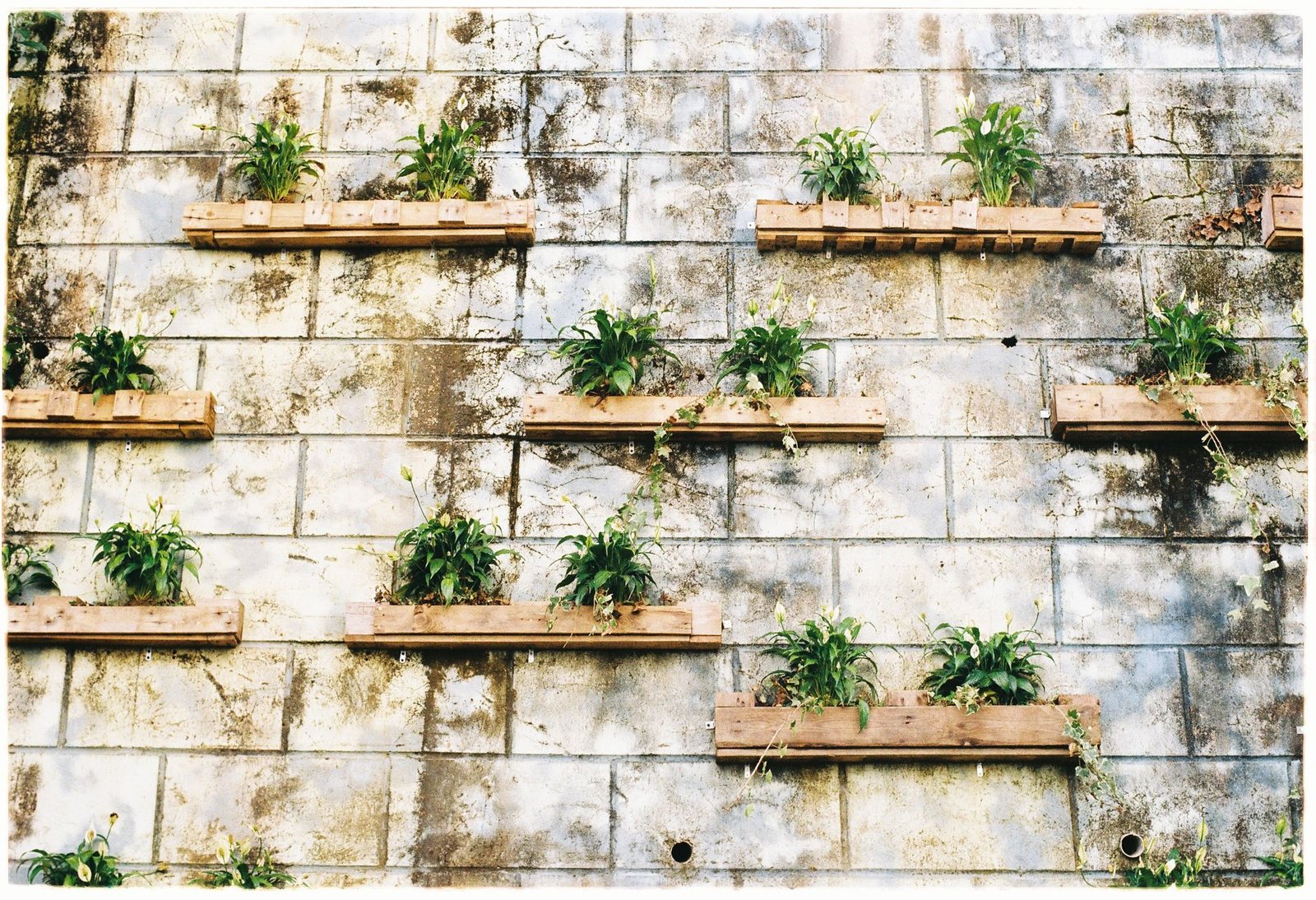
For homeowners aiming to maximize greenery in compact outdoor spaces, selecting the optimal vertical garden system for a small patio in 2026 is a key consideration. The ‘best’ system ultimately depends on specific plant choices, sunlight exposure, maintenance preferences, and aesthetic desires, but several leading innovations stand out for their efficiency, sustainability, and smart features. This article reviews the top contenders, guiding the resident toward an informed decision for flourishing vertical gardens.
Key Trends in Vertical Gardening for 2026
The vertical gardening landscape in 2026 reflects a strong emphasis on sustainability, smart technology integration, and user-centric design. Material science has progressed, offering innovative options that are both durable and eco-conscious.
Advanced Materials and Sustainability
- Recycled & Bioplastic Composites: Many leading systems now utilize advanced recycled plastics or bioplastics reinforced with natural fibers. These materials offer exceptional durability, UV resistance, and often come with extended warranties, reducing environmental impact.
- Lightweight Metal Alloys: For structural components, new lightweight aluminum and steel alloys treated with eco-friendly coatings provide robust support without excessive weight, ideal for patios with weight restrictions.
- Water-Saving Innovations: Integrated drip irrigation, capillary matting, and closed-loop hydroponic systems are standard, significantly reducing water consumption and nutrient runoff.
Smart Technology and Automation
- AI-Driven Irrigation: The latest systems incorporate smart sensors that monitor soil moisture, ambient temperature, and humidity, utilizing AI algorithms to optimize watering schedules. This ensures plants receive precise hydration, preventing over or under-watering.
- Integrated Lighting: For shaded patios, select systems feature integrated LED grow lights, some with adaptive spectrum technology, to ensure optimal growth conditions for a wider variety of plants.
- Modular & Scalable Designs: Flexibility is paramount. Systems are increasingly designed with modular components, allowing for easy expansion, reconfiguration, and customization to fit evolving needs and plant collections.
Top Vertical Garden Systems Reviewed for Small Patios
Considering the trends, here are the most highly regarded vertical garden systems for small patios in 2026, each offering distinct advantages.
1. The Modular Pocket Wall System (e.g., ‘VerdeWall Pro Series’)
- Overview: These systems consist of a series of fabric or rigid plastic pockets attached to a frame or directly to a wall. Each pocket acts as an individual planter.
- 2026 Enhancements: The latest iterations feature pockets made from durable, breathable recycled felt or UV-stabilized biocomposites, preventing root rot and improving aeration. Many now include integrated, removable reservoirs for self-watering and smart moisture sensors that connect to a central app.
- Pros: Extremely versatile for plant types, easy to rearrange, excellent for herbs, succulents, and small flowering plants. Ideal for renters as they are often non-permanent.
- Cons: Fabric pockets can dry out quicker than rigid systems; individual watering can be time-consuming without automation.
- Best For: Homeowners desiring flexibility, aesthetic appeal, and a diverse range of plant types in a small footprint.
2. Freestanding Tiered Planters (e.g., ‘AeroGrow Tower 2.0’)
- Overview: These are self-supporting structures, often conical or rectangular, with multiple levels of planting pockets or trays.
- 2026 Enhancements: Current models frequently incorporate advanced hydroponic or aeroponic capabilities, enabling faster growth and reduced water usage. Automated nutrient delivery and reservoir monitoring via companion apps are common. Materials include sleek, lightweight recycled polymers and corrosion-resistant coated metals.
- Pros: Highly space-efficient, excellent for leafy greens, strawberries, and some vegetables. No wall mounting required, allowing for repositioning. Hydroponic versions offer significant growth advantages.
- Cons: Can be visually dominant; plant selection might be limited by the system’s specific planting mechanism. Initial setup for hydroponic systems can be more complex.
- Best For: Residents focused on maximizing food production, those with ample direct sunlight, and individuals who appreciate automated care.
3. Wall-Mounted Panel Systems (e.g., ‘EcoPanel Connect’)
- Overview: These systems feature interlocking or attachable panels, often with pre-formed cells, that create a continuous green wall.
- 2026 Enhancements: Modern panels are engineered from high-strength, UV-resistant recycled plastics or advanced composite materials. Integrated drip lines are standard, distributing water and nutrients evenly. Some premium models offer interchangeable modules, allowing for different plant sizes and root systems within the same panel.
- Pros: Creates a stunning, seamless aesthetic. Highly durable and designed for longevity. Excellent for creating living art or a privacy screen.
- Cons: Requires careful installation and a sturdy wall. Less flexible for changing plant arrangements once established compared to pocket systems. Can be heavier.
- Best For: Homeowners seeking a permanent, high-impact vertical garden feature with a clean, modern look, suitable for a range of ornamental and edible plants.
4. Self-Watering Modular Planter Stacks (e.g., ‘AquaStack Smart Series’)
- Overview: These systems consist of stackable planter units, each with an internal reservoir and wicking system to provide consistent moisture to the plants above.
- 2026 Enhancements: The latest designs boast enhanced capillary action for more even moisture distribution, larger reservoirs requiring less frequent refilling, and often include small solar-powered pumps for gentle water recirculation. Some integrate smart sensors for low water alerts.
- Pros: Minimal maintenance, ideal for busy individuals. Excellent water efficiency. Relatively easy to assemble and expand.
- Cons: Best suited for plants with similar water requirements. Some vertical height can limit light penetration to lower tiers.
- Best For: The resident prioritizing convenience, water conservation, and a low-maintenance approach to gardening.
Factors for Selecting the Ideal System
To pinpoint the best vertical garden system, consider these critical elements:
- Plant Types: Determine what species will thrive. Succulents and herbs often do well in pocket systems, while leafy greens and strawberries excel in tiered or hydroponic towers. Larger, more robust plants might require wall-mounted panels with deeper cells.
- Sunlight Exposure: Assess the patio’s light conditions throughout the day. South-facing patios can support a wider variety, while shaded areas may necessitate systems with integrated grow lights.
- Maintenance Commitment: Automated self-watering or hydroponic systems require less daily attention but more initial setup. Manual systems demand consistent monitoring.
- Budget: Systems range significantly in price. Consider both initial purchase and long-term costs like nutrient solutions, replacement parts, and energy for smart features.
- Aesthetic Integration: The system should complement the patio’s existing design. Modern, sleek designs suit contemporary spaces, while natural materials might fit a more rustic ambiance.
Conclusion
Choosing the best vertical garden system for a small patio in 2026 involves a thoughtful evaluation of available innovations and personal gardening objectives. From modular pocket walls offering versatility to advanced hydroponic towers maximizing yield, each system presents unique benefits. By prioritizing factors such as plant suitability, maintenance levels, and integration with 2026’s smart gardening technologies and sustainable materials, the homeowner can cultivate a thriving, beautiful, and space-efficient green oasis, enhancing domestic comfort and outdoor aesthetics.