
Understanding the Challenge: The Persistence of Patio Weeds in 2026
The seemingly relentless emergence of weeds in patio cracks is a common issue that homeowners face. These opportunistic plants exploit the smallest openings, thriving on accumulated dirt, moisture, and even airborne seeds that settle into these protected spaces. Beyond being an aesthetic nuisance, their root systems can, over time, potentially compromise the integrity of paving, exacerbating existing cracks or widening joints.
In 2026, outdoor living spaces continue to be a focal point for domestic comfort, with a strong emphasis on sustainability and low-maintenance solutions. Modern patios often feature a diverse range of materials, from durable permeable pavers designed for water management to sleek porcelain tiles and classic natural stone. While advancements in jointing materials have aimed to reduce weed ingress, the microscopic gaps still provide fertile ground for tenacious flora. Homeowners are increasingly seeking eco-conscious approaches that align with broader environmental values, moving away from chemical herbicides that can harm local ecosystems, pets, and family members. Understanding why these weeds appear is the first step toward effective and natural management.
Five Natural Weed Removal Methods for a Pristine Patio
Maintaining a weed-free patio does not necessitate the use of synthetic chemicals. Several natural, effective strategies are available, allowing the homeowner to restore order and beauty to their outdoor areas.
Manual Extraction and Targeted Tools
The most direct and environmentally benign method involves the physical removal of weeds. This approach is labor-intensive but ensures complete eradication of the plant, including its roots, which is crucial for preventing regrowth.
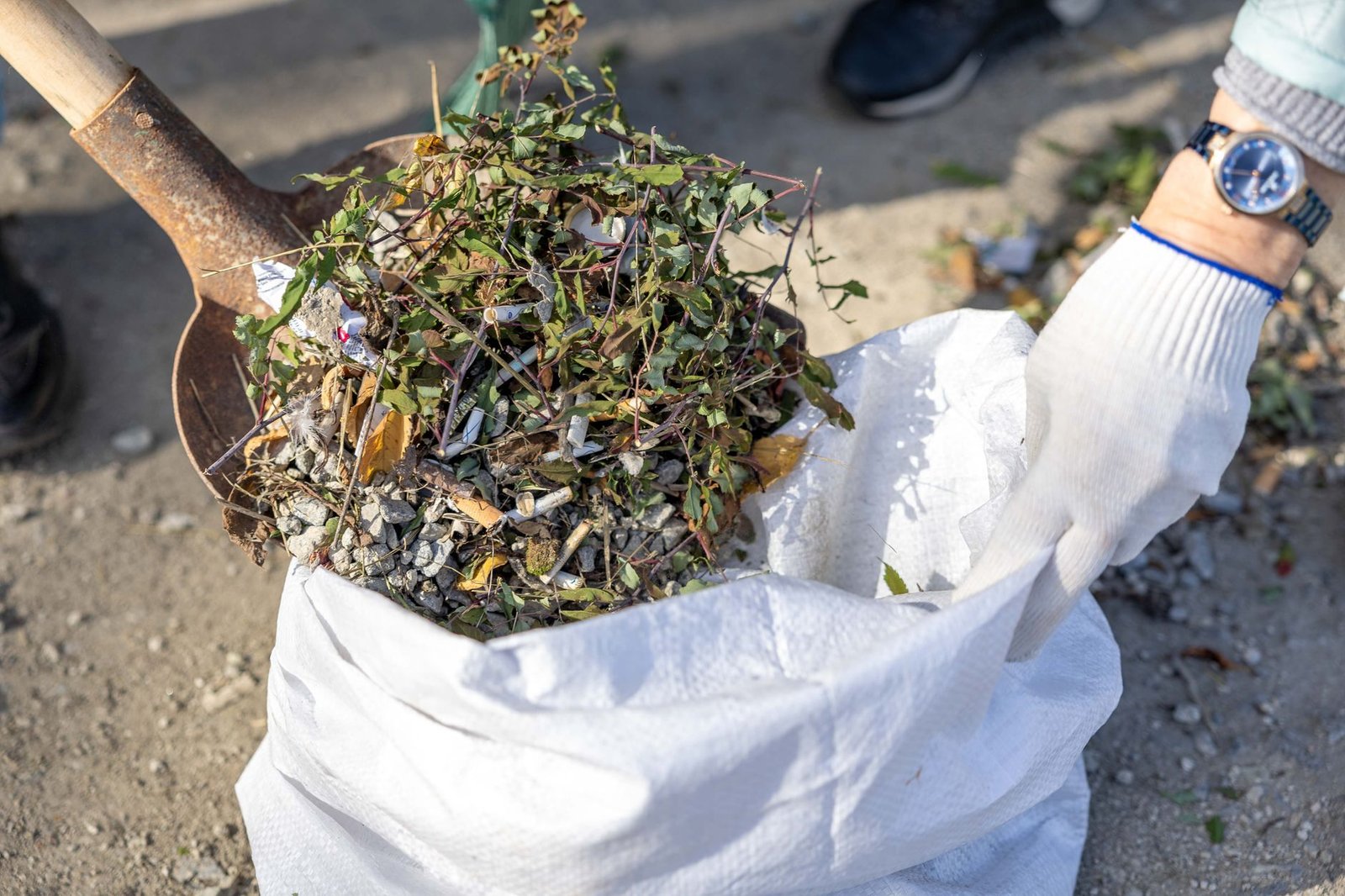
- Process: The resident should ideally tackle weeds after a rain shower or after lightly watering the area, as moist soil makes extraction easier. Using gloves, individual weeds are pulled, ensuring the entire root system is removed.
- Tools: Specialized crack weeders, wire brushes, and paving knives are invaluable. In 2026, ergonomic designs and durable, recycled materials are common in gardening tools, making the task more comfortable and sustainable. Battery-powered rotating brushes are also gaining popularity for larger areas.
- Benefits: This method is highly effective, completely non-toxic, and incurs no material cost beyond the initial tool purchase.
Boiling Water Application
Boiling water offers a simple yet surprisingly potent solution, particularly for young, shallow-rooted weeds. The intense heat instantly scalds the plant cells, causing them to wilt and die.
- Process: Water is brought to a rolling boil and then carefully poured directly onto the weeds in the cracks. Precision is important to avoid splashing onto desirable plants or delicate patio sealants.
- Caution: Extreme care must be exercised to prevent burns. This method is best suited for isolated weed patches rather than extensive areas due to the logistical challenge and potential for runoff. Avoid using on certain heat-sensitive composite decking or freshly sealed surfaces without prior testing.
- Benefits: It is completely non-toxic, readily available, and leaves no harmful residues. Repeated applications may be necessary for stubborn, deeper-rooted weeds.
Vinegar-Based Solutions (Horticultural Grade)
Vinegar, specifically horticultural-grade white vinegar, can act as an effective natural herbicide due to its higher acetic acid concentration.
- Product Type: While household vinegar typically contains 5% acetic acid, horticultural vinegar boasts concentrations of 10-20%. This increased potency is crucial for killing weeds. Some advanced 2026 formulations blend acetic acid with other natural desiccants for enhanced performance.
- Application: The solution should be sprayed directly onto the weeds on a dry, sunny day, ideally when no rain is expected for at least 24 hours. The sun’s heat amplifies the desiccating effect. Protective eyewear and gloves are recommended when handling higher concentrations.
- Caution: Acetic acid can lower soil pH and damage desirable plants, so precision spraying is vital. It is not recommended for broad application across garden beds. Rinse any accidental overspray immediately.
- Benefits: This method is effective, natural, and widely accessible, providing a chemical-free alternative to synthetic herbicides.
Borax or Salt Application (with Caution)
Borax and common table salt can desiccate weeds by drawing moisture out of their cells. However, their use requires significant caution due to potential long-term impacts on soil fertility and surrounding vegetation.
- Application: A small amount of either substance is sprinkled directly into the cracks where weeds are present. After application, a light misting of water helps dissolve the granules, allowing them to penetrate to the roots.
- Caution: Both borax and salt are non-selective and can render soil infertile for extended periods. They should be used very sparingly and only in areas where no desirable plants are nearby or intended to grow. Avoid runoff into garden beds or lawns. This method is generally recommended only for very persistent weeds in isolated areas and not for widespread use.
- Benefits: When used responsibly and judiciously, these can be potent for eradicating stubborn weeds, offering a low-cost, natural option.
Eco-Friendly Thermal Weeders
Thermal weed control, a growing trend in sustainable landscaping for 2026, utilizes heat to destroy weed cells without chemicals. This category includes both flame weeders and electric heat guns.
- Technology: Flame weeders use a controlled propane flame to rapidly heat and burst the plant cells, causing immediate wilting. Electric heat guns achieve a similar effect using high-temperature air, offering a safer, often corded or battery-powered alternative. Modern electric models in 2026 feature improved battery life and targeted heat nozzles.
- Process: The tool is briefly passed over the weed, just enough to visibly wilt the plant. It’s not necessary to incinerate the weed, merely to damage its cellular structure.
- Caution: Proper safety precautions are paramount. Maintain a water source nearby when using flame weeders and ensure the area is clear of flammable debris. Always follow manufacturer guidelines.
- Benefits: Thermal weeding is chemical-free, relatively fast, and efficient for larger areas, making it a sustainable choice for consistent patio maintenance.
Preventative Strategies and 2026 Insights for Lasting Results
While effective removal methods are crucial, prevention is key to long-term patio weed management. Incorporating ongoing maintenance and leveraging modern developments can significantly reduce future problems.
Consistent Maintenance Practices
Regular sweeping and brushing of patio cracks can dislodge nascent weeds and remove accumulated organic matter and soil where seeds might germinate. A stiff-bristled broom or a wire brush used periodically can keep cracks clear and reduce the need for more intensive removal efforts.
Effective Crack Filling and Jointing
Properly filling patio joints is one of the most effective preventative measures. In 2026, advancements in polymeric sand and jointing compounds offer superior weed-inhibiting properties. These materials, when installed correctly, harden to form a solid, yet flexible, barrier that resists weed growth and ant infestations. Newer formulations often include natural weed suppressants or are engineered with tighter particle sizes that make it difficult for seeds to germinate. Look for products designed for permeability to support sustainable water management.
Optimized Drainage and Landscaping
Ensuring proper patio drainage prevents water from pooling in cracks, which creates ideal conditions for weed growth. Additionally, strategic landscaping around the patio, such as planting ground covers or shrubs that shade the edges, can help suppress weed growth by reducing sunlight exposure to the crack areas.
Emerging 2026 Solutions and Trends
- Robotic Weeders: Small, autonomous robotic devices are becoming more sophisticated and accessible. Designed for continuous, low-impact weed removal, these units can patrol patio areas, eliminating weeds before they become established.
- Integrated Paver Systems: Some permeable paver systems in 2026 are engineered with innovative joint designs and sub-base layers that actively discourage weed growth while managing rainwater efficiently.
- Bio-Engineered Jointing Compounds: Research is leading to jointing compounds infused with natural, slow-release weed inhibitors derived from plant extracts, offering a sustainable, long-lasting preventative layer.
Achieving a Beautiful, Weed-Free Patio Naturally
A pristine, weed-free patio significantly enhances the appeal and comfort of any outdoor living space. By adopting these natural and effective removal methods, homeowners can confidently tackle the challenge of patio weeds without compromising environmental integrity or introducing harmful chemicals into their domestic environment. From diligent manual removal and the strategic use of boiling water or vinegar to exploring advanced thermal weeders and preventative jointing solutions, a range of sustainable options is available for 2026.
Consistent application of these strategies, combined with proactive maintenance and an awareness of modern material advancements, will ensure the resident’s patio remains a beautiful, inviting, and sustainable extension of their home for years to come. The effort invested in natural weed management contributes to a healthier ecosystem and a more enjoyable outdoor experience for all.