The absence of a dedicated linen closet often presents a unique challenge for homeowners seeking efficient and accessible storage for towels and bedding. In 2026, innovative design and modern material science offer numerous clever solutions to organize these essentials, transforming potential clutter into opportunities for streamlined domestic comfort. This article explores seven practical strategies, leveraging current trends to maximize space and ensure easy retrieval of linens.
Integrated Furniture: Dual-Purpose Design for Seamless Living
Modern interior design increasingly favors furniture that serves multiple purposes, a trend perfectly suited for homes without traditional linen storage. Integrated furniture pieces are not merely aesthetic additions but highly functional elements that conceal significant storage capacity.
Ottomans and Benches with Hidden Compartments
- Lift-Top Ottomans: A stylish and comfortable seating option for living rooms or bedrooms, these pieces often feature spacious interiors ideal for folded throws, extra pillows, or guest towels. Current models in 2026 incorporate advanced hinge mechanisms for smooth operation and often feature antimicrobial interior linings made from recycled polyester blends, ensuring freshness.
- Storage Benches: Placed at the foot of a bed or in an entryway, storage benches offer both seating and substantial concealed space. Designs frequently feature sustainable timber composites and can be customized with modular dividers, allowing for organized separation of bath towels from bed sheets.
Bed Frames with Integrated Drawers
Optimizing under-bed space is a time-honored strategy, now elevated by sophisticated bed frame designs. Modern platforms and divan beds come equipped with deep, integrated drawers on glides, providing accessible storage without needing to lift a mattress. These drawers often feature dust-proof seals and are constructed from lightweight, durable alloys or engineered wood with biophilic finishes that align with 2026’s emphasis on natural aesthetics and minimal environmental impact.
Vertical Expansion: Maximizing Upward Space
When horizontal space is limited, the upward dimension offers untapped potential. Vertical storage solutions are crucial for maintaining an uncluttered environment, especially in smaller dwellings.
Tall, Narrow Shelving Units
Slim bookcases or utility shelves can be strategically placed in bathrooms, hallways, or even corners of bedrooms. Current trends favor minimalist designs in reclaimed wood or powder-coated aluminum, often featuring adjustable shelves. For enhanced organization, residents can utilize aesthetically pleasing fabric bins made from organic cotton or hemp, which are breathable and help prevent moisture buildup in stored textiles.
Wall-Mounted Solutions
Floating shelves, minimalist wall cabinets, and over-the-door organizers are excellent for keeping linens within reach without occupying floor space. In 2026, many wall-mounted systems are modular, allowing residents to customize configurations to fit specific needs and available wall sections. Materials frequently include sleek, durable acrylics made from recycled content or lightweight, strong composite panels. Concealed mounting hardware contributes to a clean, integrated look that blends seamlessly with modern interiors.
Smart Storage in Unexpected Places
Creative thinkers embrace unconventional spaces for storage, transforming overlooked areas into highly functional zones for linen organization.
Under-Bed Storage Systems
Beyond integrated bed drawers, standalone under-bed storage remains a robust solution. The 2026 market offers breathable fabric containers with robust zippers and handles, designed to protect linens from dust and allergens while allowing air circulation. Some advanced models even incorporate small, rechargeable dehumidifying packs and motion-activated LED lighting for ease of access in low-light conditions, reflecting an increasing demand for smart home convenience.
Decorative Baskets and Trunks
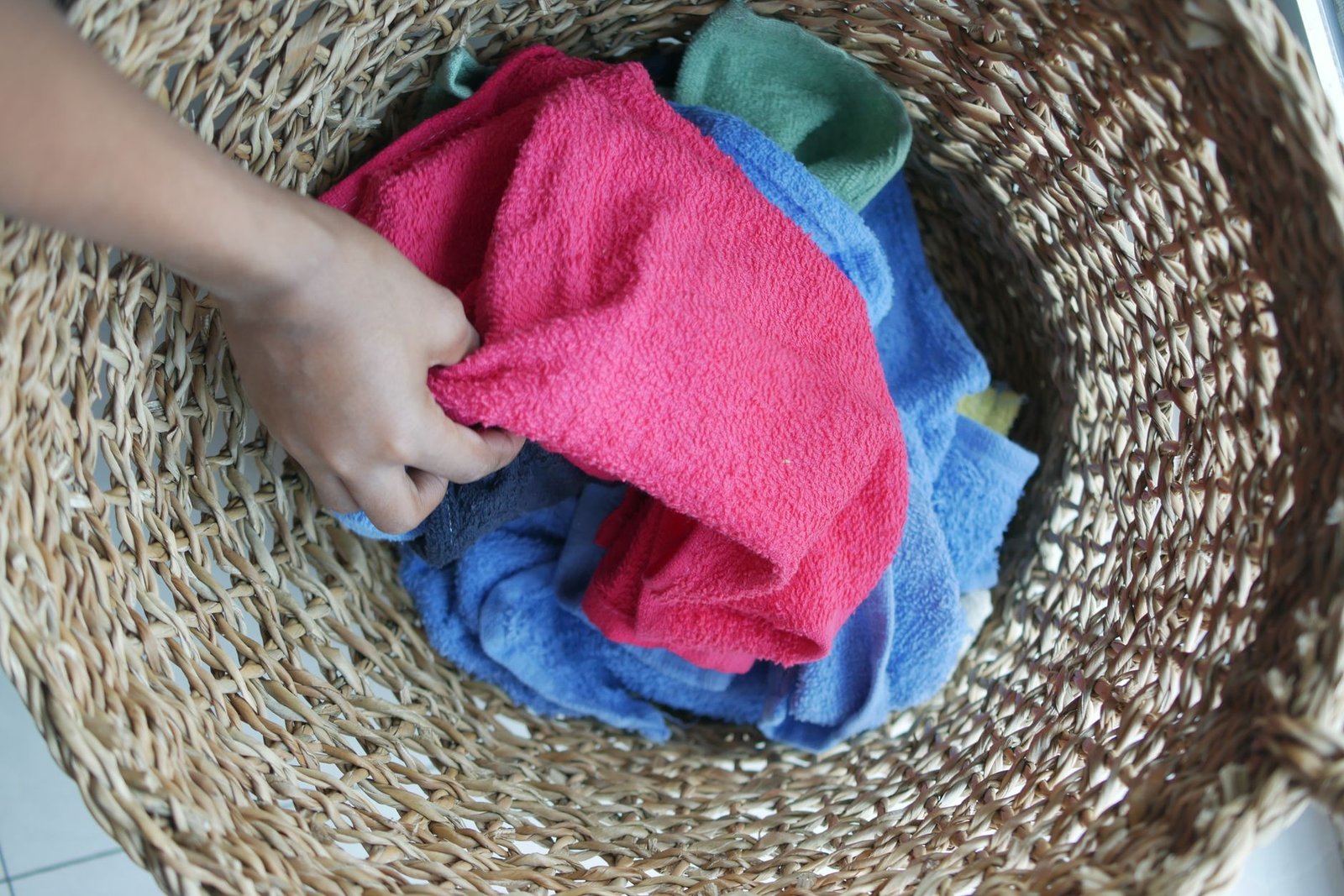
Large, attractive baskets or vintage trunks can double as accent pieces while serving as excellent repositories for towels and extra bedding. Natural materials like woven rattan, jute, or seagrass continue to be popular, aligning with sustainable design principles. For a more modern aesthetic, residents might opt for baskets made from durable, lightweight polymer blends that mimic natural textures but offer increased longevity and ease of cleaning. These items can be placed in living areas, bedrooms, or even spacious bathrooms, adding texture and warmth to the decor.
Wardrobe or Dresser Conversion
An existing wardrobe or a large dresser can be repurposed to store linens. Dedicating one or two deep drawers or a section of a closet with adjustable shelving provides an organized space. Modern wardrobe inserts in 2026 include specialized dividers and drawer organizers made from bamboo or recycled plastics, allowing for efficient folding and categorization of towels by size and bedding by set, thereby maximizing capacity within the existing furniture footprint.
Mobile Utility Carts
For ultimate flexibility, multi-tiered mobile utility carts can house folded towels or smaller linen items. These carts, often made from lightweight steel or advanced polymer compounds, can be rolled into a bathroom, laundry area, or closet as needed. Their portability allows for dynamic space utilization, and contemporary designs often feature sleek lines and a variety of finishes that complement diverse interior styles, making them both practical and visually appealing. Some models include integrated handles and lockable wheels for stability.
Embracing 2026 Trends in Linen Storage
The year 2026 sees a strong emphasis on sustainability, modularity, and technology in home organization. Materials like recycled ocean plastics, bamboo composites, and sustainably sourced woods are prevalent, offering durable and eco-conscious options. Smart features, such as integrated sensors for humidity control within storage units or RFID tags for inventory management, are emerging, though broader adoption for everyday linens is still developing. The focus remains on solutions that are not only practical but also seamlessly integrate into the home’s aesthetic, enhancing overall domestic comfort without sacrificing style. Homeowners are increasingly seeking products that are easy to assemble, reconfigure, and maintain, reflecting a desire for adaptable and resilient living spaces.
Ultimately, the absence of a traditional linen closet is no longer a design impediment but an invitation for innovative thinking. By adopting these clever storage solutions, residents can maintain a beautifully organized home, ensuring that towels and bedding are always fresh, accessible, and neatly tucked away, even in the most compact environments. The possibilities for creative organization are vast, allowing individuals to craft functional and aesthetically pleasing storage systems tailored to their unique living requirements.