Modern vs. Traditional Bathroom Design: Which Boosts Resale in 2026?
In 2026, when evaluating whether modern or traditional bathroom designs offer a superior return on investment for homeowners planning to sell, the answer is nuanced but leans towards modern aesthetics with strategically integrated technology and sustainable elements. While classic styles retain a timeless appeal for a specific market segment, contemporary designs, particularly those incorporating forward-thinking materials and smart functionalities, generally align more closely with the broader buyer preferences observed in the current real estate landscape. The choice ultimately depends on property context, target demographic, and the quality of execution.
Understanding the 2026 Buyer Landscape
Evolving Preferences and Market Demands
The discerning property buyer of 2026 is increasingly sophisticated, prioritizing not only aesthetic appeal but also functionality, efficiency, and environmental consciousness. Demographically, younger buyers often gravitate towards clean lines and cutting-edge features, while a significant portion of the luxury market also values bespoke modernism. However, even buyers with a preference for traditional styles expect modern comforts and performance beneath a classic facade. The overarching trend points towards spaces that are not only beautiful but also intuitive, durable, and reflective of a sustainable lifestyle. Smart home integration, once a luxury, is now an expectation for many, particularly in high-value properties.
Economic stability in 2026 continues to fuel a market where quality and perceived value drive purchasing decisions. Homeowners making renovation choices must consider not just immediate appeal but also longevity and adaptability to future trends. Bathrooms, being high-traffic and high-impact areas, are scrutinized heavily by potential buyers, making their design a critical component of a property’s overall marketability.
Modern Bathroom Design: Trends and Resale Appeal
Aesthetic Principles and Contemporary Materials
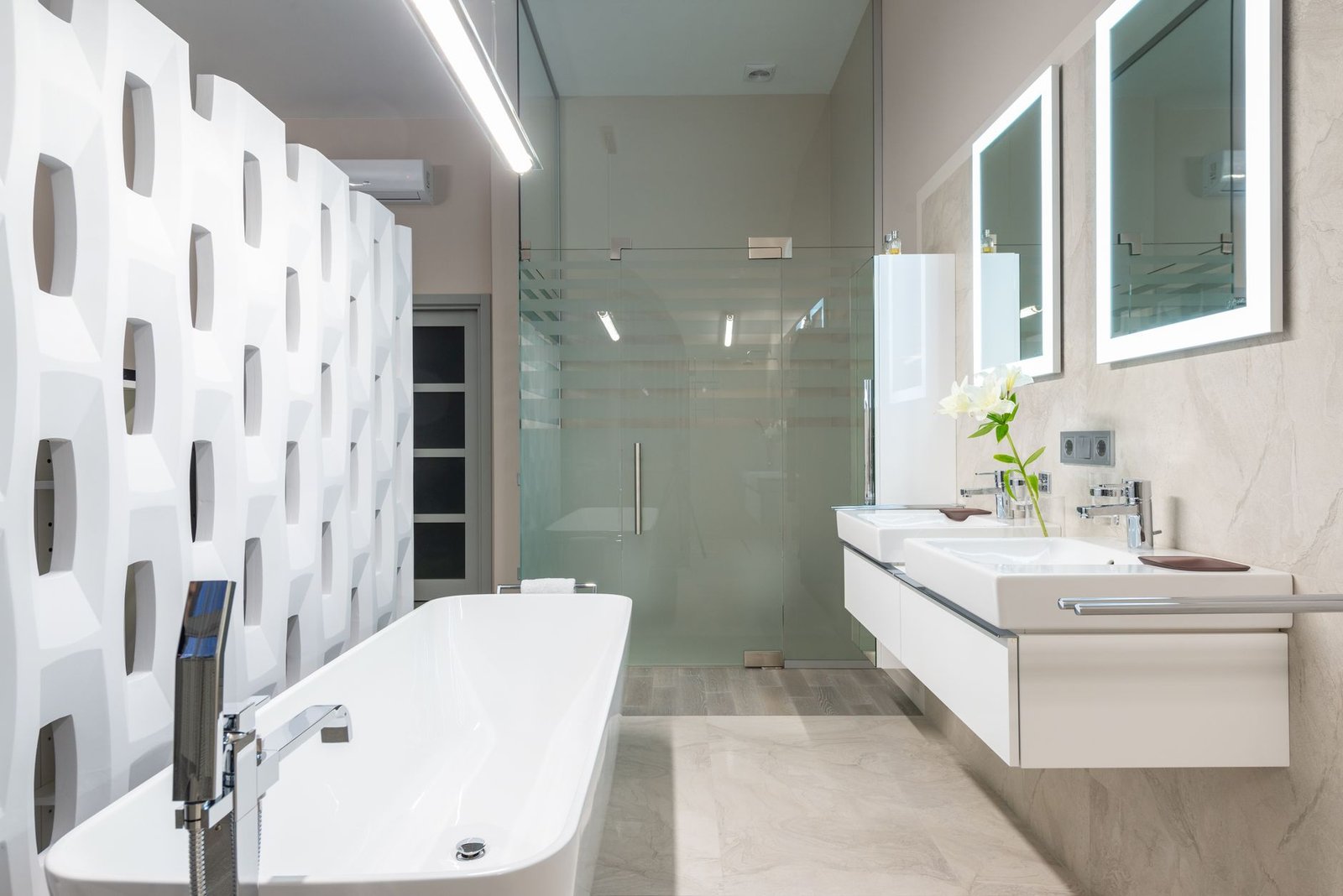
Modern bathroom design in 2026 emphasizes minimalism, open spaces, and seamless transitions. The palette typically features neutral tones punctuated by natural textures and subtle pops of color. Key material trends for the year include:
- Large-format Porcelain Slabs: These offer a virtually seamless finish for walls and floors, reducing grout lines for a sleek, hygienic look and simplifying maintenance.
- Microcement Finishes: Praised for their industrial-chic aesthetic, durability, and waterproof properties, microcement provides a contemporary, monolithic surface that can be tinted to various shades.
- Recycled Glass Tiles and Sustainable Composites: Eco-friendly options are gaining prominence, with recycled materials providing unique textures and patterns while appealing to environmentally conscious buyers.
- Smart Glass Technology: Used for shower enclosures or windows, smart glass offers instant privacy control at the touch of a button, enhancing both functionality and a futuristic feel.
- Biophilic Elements: Integrated living walls, natural wood accents (often reclaimed or sustainably sourced), and large windows connecting to outdoor views are crucial for fostering a sense of wellness and connection to nature.
The Resale Advantage of Modern Aesthetics
Modern bathrooms typically command strong resale appeal due to their broad attractiveness to a significant demographic. The perception of newness, cutting-edge technology, and high-quality, low-maintenance materials translates directly into increased property value. Homeowners investing in modern design often see a greater return because these spaces are viewed as move-in ready, requiring no immediate updates. The inclusion of smart mirrors with health monitoring, touchless faucets for enhanced hygiene, programmable LED lighting for mood and circadian rhythm support, and integrated sound systems further elevates the perceived luxury and convenience, directly influencing buyer interest and willingness to pay a premium.
Traditional Bathroom Design: Enduring Charm and Market Position
Classic Elegance and Timeless Elements
Traditional bathroom designs embody classic elegance, often featuring ornate details, rich textures, and a sense of timeless sophistication. While the core aesthetic remains consistent, 2026 sees adaptations that merge heritage with contemporary demands:
- Natural Stone: Materials like Carrara marble, Calacatta gold, and honed granite continue to be mainstays, celebrated for their luxurious feel and durability.
- High-Quality Ceramics and Detailed Tile Work: Subway tiles, intricate mosaic patterns, and hand-painted ceramics maintain their appeal, often used to create feature walls or flooring designs that evoke a sense of craftsmanship.
- Custom Cabinetry: Wood vanities with classic profiles (e.g., shaker, raised panel) in rich stains or elegant painted finishes remain popular, often paired with custom hardware in brass, polished nickel, or oil-rubbed bronze.
- Freestanding Tubs: Clawfoot or slipper tubs continue to be central features, offering a sculptural element that signifies relaxation and luxury.
- Subtle Tech Integration: Rather than overt displays, traditional spaces subtly integrate modern conveniences such as heated flooring, intelligent ventilation systems, and hidden charging stations to enhance comfort without disrupting the classic aesthetic.
The Resale Considerations for Traditional Styles
Traditional bathroom designs appeal to a more specific, often affluent, buyer segment that values heritage, craftsmanship, and a classic, established aesthetic. For properties where the architectural style is inherently traditional, maintaining this consistency throughout the home, including the bathrooms, can significantly boost resale value by creating a cohesive and authentic experience. The enduring nature of classic design can also be seen as an advantage, as these styles are less prone to quickly dating than some fleeting modern trends. However, the risk lies in appearing outdated if the design lacks thoughtful updates or incorporates materials that feel past their prime. A traditional bathroom that marries classic forms with modern performance and impeccable maintenance can achieve excellent resale results within its target market, but may not have the same broad appeal as a well-executed modern design.
Strategic Considerations for Maximizing Resale Value
Context, Quality, and Adaptability
Regardless of style, several factors are universally critical for maximizing resale value. The first is context: the bathroom’s design must align with the overall architectural style of the property and the prevailing tastes of the neighborhood. A highly modern bathroom in a historically significant Victorian home, for instance, might alienate buyers seeking authenticity. Secondly, quality is paramount. Investing in durable, high-end materials and professional installation for either modern or traditional designs ensures longevity and conveys value. Thirdly, adaptability is crucial. Incorporating universal design principles, such as curbless showers, wider doorways, and strategically placed grab bars (which can be stylishly integrated), broadens the appeal to an aging population or families with diverse needs. The