
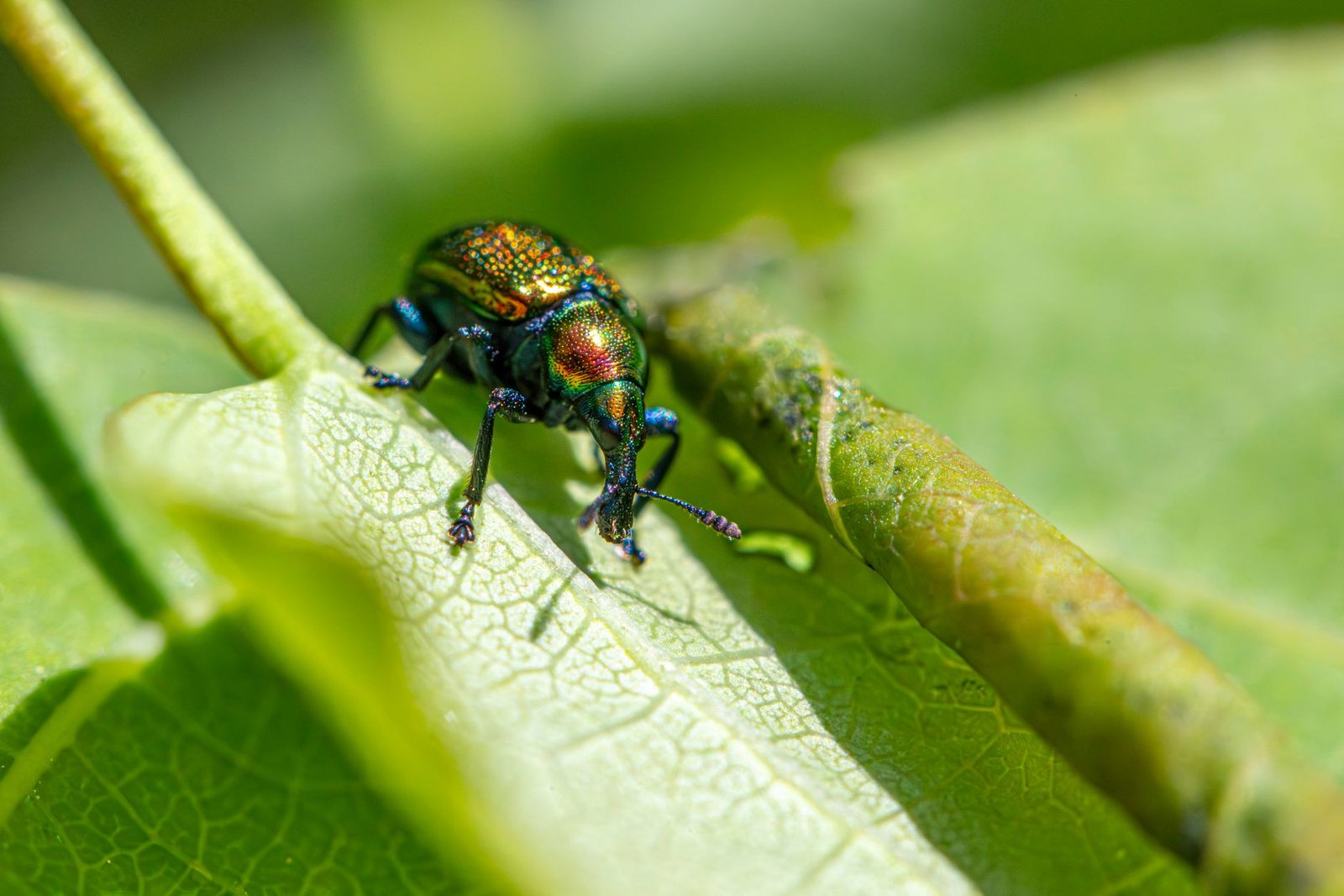
A thriving vegetable garden is a source of immense satisfaction for any homeowner, yet the persistent challenge of garden critters consuming tender produce can quickly diminish enthusiasm. In 2026, as climate patterns continue to shift and pest populations adapt, implementing effective, natural deterrents is more crucial than ever for maintaining a productive and healthy vegetable patch. This article outlines seven time-tested and modern natural methods to safeguard edible plants, ensuring bountiful harvests without resorting to harsh chemicals.
Understanding Garden Pests in 2026
The contemporary garden faces an evolving landscape of challenges. Warmer winters in many regions are allowing certain pest species to proliferate more rapidly or extend their active seasons, while global trade introduces new potential threats. Homeowners in 2026 are increasingly seeking sustainable solutions that protect biodiversity while effectively managing specific nuisances like aphids, slugs, cabbage worms, and various chewing insects. The emphasis is on prevention, fostering a resilient ecosystem, and employing targeted, non-toxic interventions.
7 Natural Deterrents for a Thriving Vegetable Patch
1. Optimized Companion Planting Strategies
Companion planting, the practice of growing specific plants together for mutual benefit, remains a cornerstone of natural pest control. In 2026, research into plant allelopathy and scent-based deterrence has become more refined, offering clearer guidance on optimal pairings. Certain plants release compounds that repel pests or attract their natural predators, creating a living shield around vulnerable vegetables.
- Beneficial Pairings: Planting marigolds (Tagetes spp.) near tomatoes and beans can deter nematodes and bean beetles. Nasturtiums act as a trap crop for aphids, drawing them away from more desirable plants. Garlic and chives, when planted near carrots and roses, can repel aphids and carrot rust flies.
- Latest Insights: Recent studies highlight the effectiveness of specific basil cultivars planted near peppers to deter thrips, or dill and parsley providing a habitat for predatory wasps that control caterpillars. Data-driven gardening apps available in 2026 can assist residents in planning these complex interplantings with greater precision.
2. Advanced Physical Barriers & Smart Enclosures
Physical exclusion is often the most direct method to prevent pest damage. Modern material science in 2026 offers innovative, durable solutions that are less obtrusive and more effective than traditional netting.
- Fine Mesh Netting: Lightweight, UV-stabilized fine mesh netting and floating row covers are essential for protecting young plants from flying insects like cabbage moths and carrot rust flies. Newer materials boast enhanced breathability while maintaining barrier integrity, often made from recycled or biodegradable polymers.
- Automated Cloches and Tunnels: For small-scale gardens, smart cloches or mini-tunnels with integrated environmental sensors (humidity, temperature) are gaining popularity. These can be deployed or adjusted semi-automatically, offering superior protection and extending growing seasons.
- Garden Fencing: For larger pests such as deer, rabbits, and groundhogs, sturdy fencing made from reinforced recycled plastics or metal alloys provides a robust barrier. The inclusion of an inward-facing skirt can prevent burrowing animals.
3. Precision Aromatic & Botanical Repellents
Harnessing the power of strong-smelling plants and their extracts can confuse or deter pests. This method focuses on creating an olfactory environment unwelcome to garden invaders.
- Strategic Plant Placement: Incorporating strong-scented herbs like mint, rosemary, and lavender along garden borders or interspersed within vegetable beds can create a natural perimeter. While mint can be invasive, planting it in containers within the bed provides control.
- DIY Essential Oil Sprays: Diluted essential oils such as peppermint, eucalyptus, and cedarwood can be mixed with water and a small amount of insecticidal soap (as an emulsifier) to create topical sprays. These are effective for specific pests like ants, slugs, and certain caterpillars. Residents are encouraged to source sustainably produced essential oils and test solutions on a small plant area first.
4. Biodiversity-Focused Beneficial Insect Habitats
Encouraging the presence of natural predators is a highly effective, long-term strategy for pest control. By providing habitat and food sources, homeowners can transform their garden into a self-regulating ecosystem.
- Attractant Plants: Planting a diverse array of flowers that produce nectar and pollen, such as dill, cilantro, cosmos, and sweet alyssum, will attract beneficial insects like ladybugs, lacewings, predatory wasps, and hoverflies. These insects prey on aphids, mites, and various larvae.
- Insect Hotels & Water Sources: Modern insect hotels, often designed with specific chambers for different beneficial species, offer overwintering and breeding sites. Providing shallow water dishes with landing stones also supports these invaluable garden allies.
- Understanding Local Ecology: Homeowners in 2026 benefit from increased access to localized information on native beneficial insects, allowing for tailored planting choices that maximize their effectiveness.
5. Holistic Soil Health & Regenerative Practices
A healthy plant grown in healthy soil is inherently more resilient to pest attacks. Regenerative gardening practices focus on building vibrant soil ecosystems that support robust plant immunity.
- Composting & Organic Matter: Regular incorporation of well-rotted compost and other organic matter improves soil structure, aeration, and nutrient availability. Healthy soil microbes can also suppress root-feeding pests and diseases.
- Cover Cropping & No-Till: Utilizing cover crops during off-seasons and practicing minimal soil disturbance (no-till methods) enhances soil biodiversity and helps break pest life cycles by removing host plants.
- Precision Nutrition: Soil testing, now more accessible and precise with at-home kits that integrate with online databases, allows for targeted nutrient amendments, preventing plant stress that can attract pests. Bio-stimulants and microbial inoculants are increasingly used to further enhance plant vigor in 2026.
6. Formulating Contemporary Organic Pest Sprays
When localized outbreaks occur, targeted organic sprays offer an immediate, natural solution without harming beneficial insects or the environment, provided they are applied correctly.
- Neem Oil Solutions: Neem oil, derived from the neem tree, acts as an antifeedant, repellent, and growth disruptor for many pests. Modern formulations are often cold-pressed for maximum efficacy and can be diluted with water and a mild, biodegradable soap for application.
- Garlic & Chili Sprays: A potent repellent can be made by blending garlic cloves and chili peppers with water, straining the mixture, and adding a drop of eco-friendly dish soap. This spicy concoction deters chewing insects and some mammals.
- Insecticidal Soaps: Fatty acid salts in insecticidal soaps disrupt pest cell membranes, effectively controlling soft-bodied insects like aphids and whiteflies. In 2026, many brands offer formulations specifically designed to be gentle on plants and beneficial insects while remaining tough on pests.
7. Proactive Garden Sanitation & Smart Cultivation
Maintaining a clean, well-managed garden significantly reduces opportunities for pests to establish and multiply. This preventative approach is fundamental to long-term success.
- Regular Inspection & Removal: Daily inspection of plants for signs of pest activity allows for early intervention, often by simply hand-picking pests or hosing them off with a strong stream of water. Prompt removal of infested leaves or plants prevents further spread.
- Weed Control: Weeds can harbor pests and compete with vegetables for resources. Maintaining a weed-free garden, either through mulching or regular cultivation, minimizes hiding spots for unwanted guests.
- Crop Rotation: Rotating crops annually prevents the buildup of soil-borne pests and diseases specific to certain plant families. Planning a three to four-year rotation cycle is a highly effective preventative measure.
- Smart Water Management: Overwatering can create damp conditions favorable for slugs and fungal diseases, while underwatering stresses plants, making them more susceptible to pest attack. Modern drip irrigation systems and smart controllers in 2026 deliver water precisely, reducing stress and creating less hospitable environments for pests.
Long-Term Strategies for Pest Resilience
An integrated pest management (IPM) approach, emphasizing ecological balance and preventative measures, is the most robust strategy for 2026. This involves continuous observation, understanding pest life cycles, and implementing a diverse range of natural deterrents. By focusing on creating a healthy, biodiverse garden ecosystem, the homeowner establishes inherent resilience against common garden invaders.
Conclusion
Protecting a vegetable patch from pesky critters in 2026 does not require a chemical arsenal. By embracing these seven natural and contemporary deterrents, the homeowner can cultivate a vibrant, productive garden that thrives in harmony with nature. From strategic plant pairings and advanced physical barriers to fostering beneficial insects and nurturing soil health, these methods empower the resident to enjoy abundant, chemical-free harvests while contributing to a healthier environment.