For many residents, the entryway coat closet quickly transforms from a functional storage space into an overwhelming repository of jackets, shoes, and forgotten items. This common predicament often leads to daily frustration, especially in compact homes where every inch counts. In 2026, navigating small entryway challenges requires more than just tidying; it demands intelligent design and forward-thinking solutions. This article unveils five strategic organization hacks specifically engineered to maximize space, enhance functionality, and bring lasting order to even the most diminutive coat closets. By integrating modern material science and industry-leading trends, these methods offer homeowners a pathway to an entryway that is both impeccably organized and aesthetically pleasing.
Maximizing Vertical Real Estate
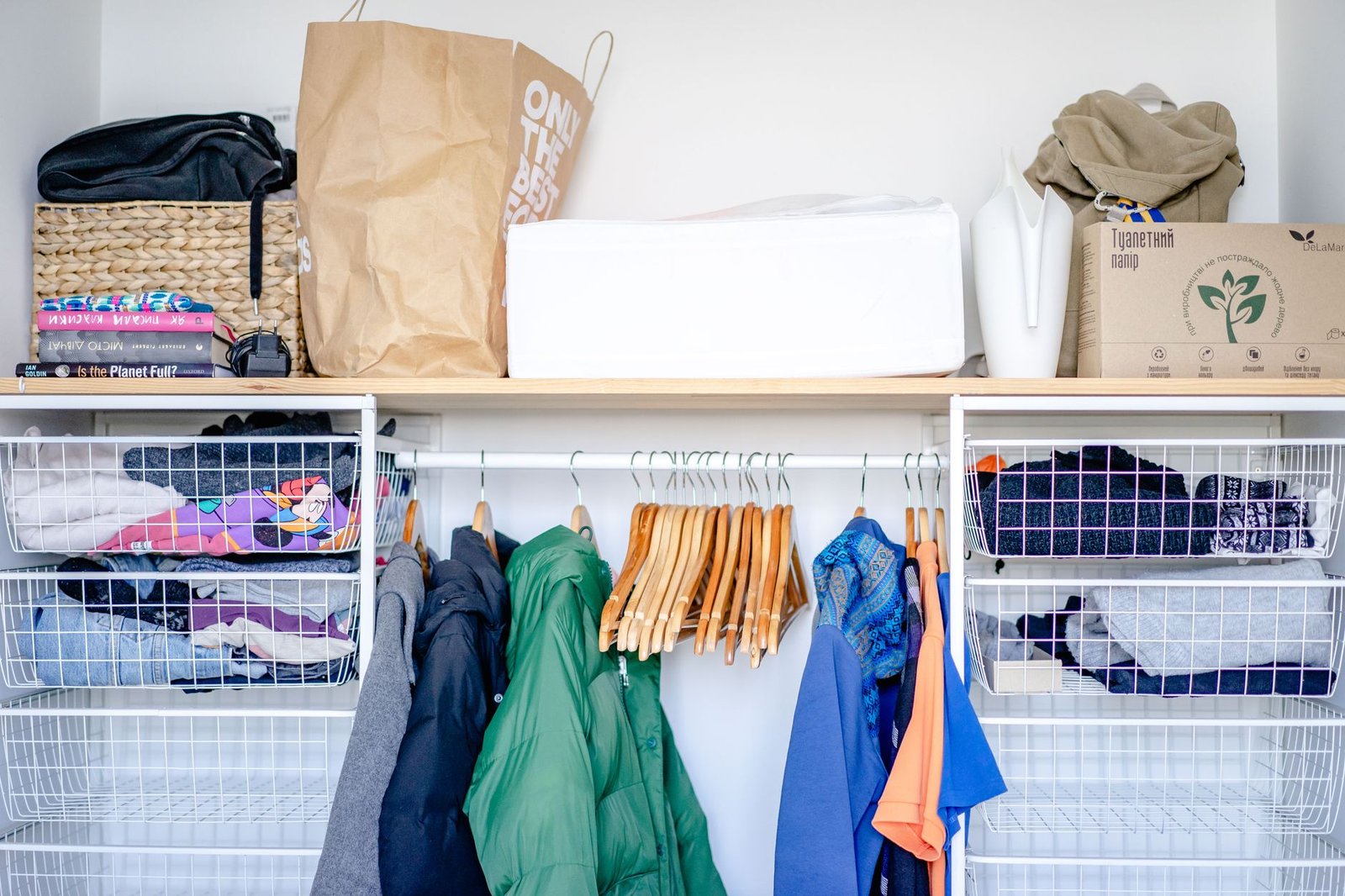
The inherent limitation of a small coat closet is its horizontal footprint. Consequently, optimizing vertical space becomes the cornerstone of effective organization. Leveraging the full height of the closet ensures that no valuable storage area goes unused.
Tiered Hanging Systems
Traditional single hanging rods often leave a significant amount of unused space below shorter garments. Implementing tiered hanging systems immediately doubles or even triples the capacity for coats, shirts, and other items. Modern solutions for 2026 include adjustable smart rods constructed from lightweight, durable recycled aluminum alloys or carbon fiber composites. These innovative systems can be repositioned effortlessly to accommodate varying garment lengths, from long trench coats to shorter jackets. Some cutting-edge options even feature integrated low-profile LED lighting, activated by proximity sensors, illuminating contents and making item retrieval simpler.
Smart Shelving Solutions
Beyond hanging, shelving is crucial for folded items, accessories, and footwear. Static shelves can be inefficient, but 2026 trends emphasize dynamic solutions. Modular, customizable shelving units offer unparalleled flexibility, allowing the resident to reconfigure layouts as storage needs evolve. Materials like sustainable bamboo laminates and engineered wood with low VOC (Volatile Organic Compound) finishes are popular choices, aligning with eco-conscious design principles. For even greater accessibility, pull-out or rotating shelves provide ergonomic access to items stored at the back. Transparent reinforced polycarbonate bins or woven hemp-based composite baskets on shelves offer visible yet contained storage, preventing clutter while allowing quick identification of contents.
Innovative Storage & Material Developments for 2026
The evolution of storage technology and material science in 2026 presents unprecedented opportunities to create hyper-functional closet interiors.
Specialized Compartments and Bins
Random piles of accessories are a primary contributor to closet chaos. Creating dedicated, specialized compartments for specific item categories brings immediate order. Think slim, soft-lined drawers for gloves and scarves, or compartmentalized trays for sunglasses and key fobs. An emerging trend for 2026 involves biometric-secured drawers, ideal for safeguarding important documents or small valuables within the closet itself. Furthermore, the incorporation of antimicrobial linings within storage bins, especially for items like sports gear or pet accessories, helps maintain freshness and hygiene. Biodegradable polymer bins and composites made from plant-based fibers represent a sustainable shift in material selection.
Door-Mounted Organizers
The back of the closet door is often an underutilized surface, yet it offers significant potential for vertical storage. Slim-profile magnetic panels are increasingly popular for attaching small metal items like keys or tools. Fabric pocket organizers, crafted from durable recycled textiles, can hold mail, small electronics, or a collection of reusable shopping bags. For 2026, advancements include smart pocket systems with integrated RFID readers for easy inventory of frequently used items, and even compact digital displays embedded in the door itself, providing weather updates or schedule reminders to the resident before departure.
Streamlined Processes & Digital Integration
Effective organization is not merely about physical containers; it also involves intelligent management strategies and the embrace of digital tools.
The Seasonal Swap Strategy
Overloading a small closet with out-of-season items significantly hinders daily functionality. Implementing a consistent seasonal swap strategy ensures that only current necessities occupy prime real estate. Off-season coats, boots, and cold-weather accessories can be stored in clearly labeled, airtight containers or garment bags in less accessible areas of the home, such as under beds, in an attic, or in a basement storage unit. 2026 sees a rise in specialized climate-controlled off-site storage services for luxury garments, providing optimal conditions for preservation. Smart tags equipped with QR codes or NFC technology can be attached to containers, allowing the homeowner to easily track contents via a smartphone application.
Digital Inventory Management
To truly master the contents of a small closet, a digital inventory system proves invaluable. Simple spreadsheets can track items, their location, and when they were last used. However, the future is already here with AI-powered inventory applications. These advanced systems can catalog items through visual recognition, suggest outfit combinations based on current wardrobe, track cleaning schedules, and even notify the user when an item has not been worn for an extended period, prompting consideration for donation or sale. The integration of RFID tags into garments or accessories, allowing for instant, comprehensive scans of closet contents, is becoming more prevalent, offering unparalleled oversight and reducing the time spent searching for specific items.
Beyond the Closet: Holistic Entryway Integration
A truly effective entryway organization strategy extends beyond the confines of the closet itself, integrating with the broader design and functionality of the space.
Multi-Functional Furniture
In small entryways, every piece of furniture must earn its place. The selection of multi-functional pieces can significantly augment storage capacity without sacrificing precious floor space. Benches with integrated lift-top storage provide a convenient spot to sit while putting on shoes, simultaneously concealing footwear or bulky bags. Slim console tables featuring drawers or lower shelves offer surfaces for keys and mail while providing hidden compartments. For 2026, smart furniture with integrated wireless charging pads for mobile devices and even subtle UV-C sanitizers for keys or wallets are emerging trends, blending utility with cutting-edge technology. Reclaimed wood and recycled metals are favored materials, offering both durability and a commitment to sustainable design.
Aesthetic Integration and Lighting
An organized closet, while functional, must also contribute positively to the overall aesthetic of the entryway. Seamless integration with the home’s interior design ensures a cohesive and welcoming ambiance. Selecting finishes and hardware that complement existing decor elevates the entire space. Furthermore, thoughtful lighting is paramount in small, often dimly lit closets. Motion-activated LED strips inside the closet illuminate contents immediately upon opening, eliminating dark corners where items can be lost. Tunable white light options for entryway fixtures allow the resident to adjust color temperature, matching the mood or time of day. The incorporation of smart mirrors that display relevant information like weather forecasts or traffic updates upon entry or exit further streamlines the daily routine, creating an entryway that is not only functional but also intuitively responsive to the resident’s needs.
Transforming a chaotic coat closet in a small entryway into an oasis of order is entirely achievable through strategic planning and the adoption of modern solutions. By maximizing vertical space, embracing innovative storage materials and technologies, implementing streamlined processes, and integrating the closet within a holistic entryway design, residents can significantly enhance daily comfort and efficiency. These five smart organization hacks for 2026 represent an investment in a more serene, functional, and aesthetically pleasing home environment, demonstrating that even the smallest spaces can yield significant improvements in quality of life.