Smart Plugs vs. Smart Bulbs: Budget Automation in 2026
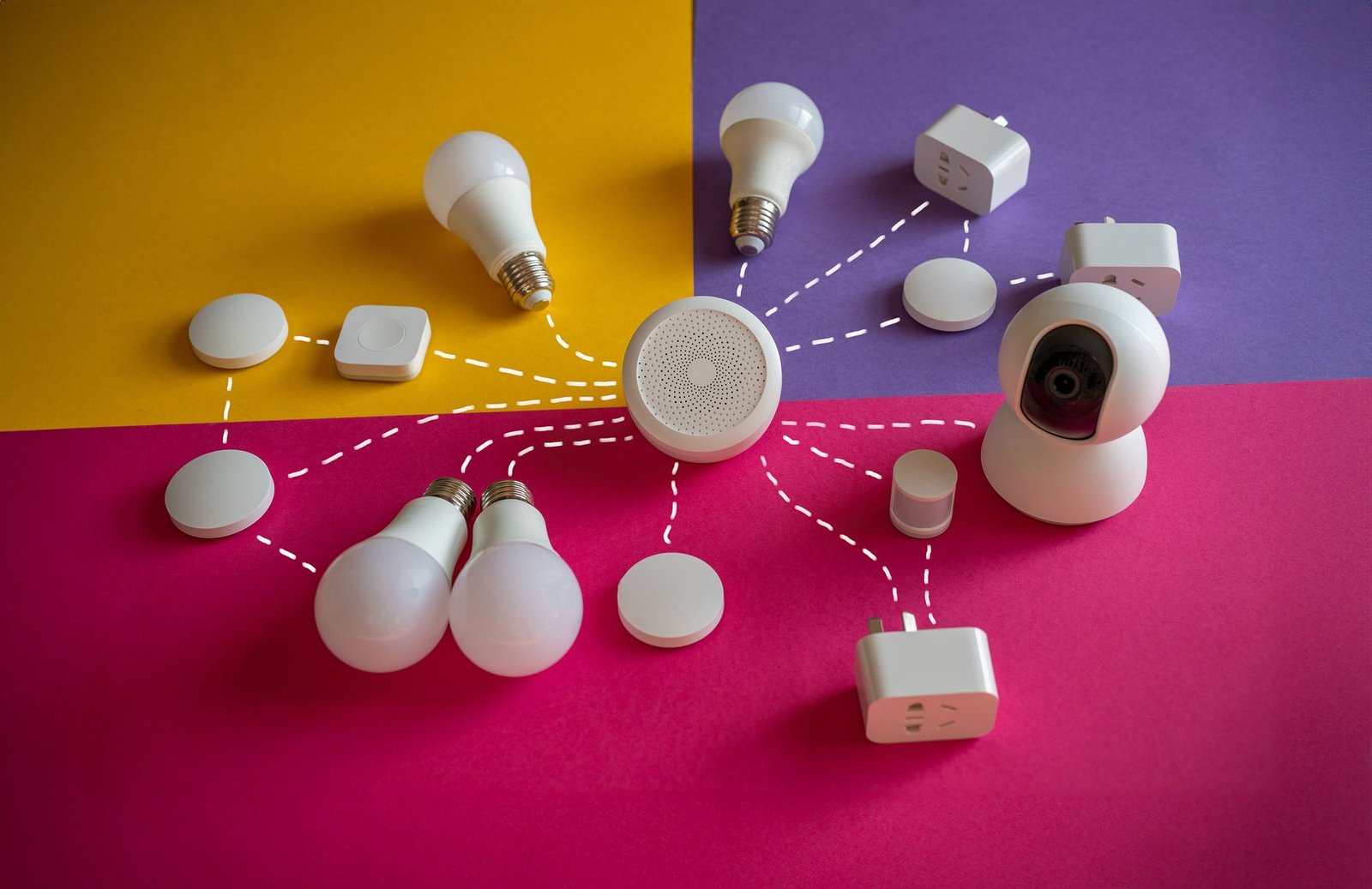
For homeowners seeking cost-effective home automation in 2026, the choice between smart plugs and smart bulbs often comes down to specific needs and existing infrastructure. While both offer significant convenience and efficiency gains, smart plugs generally present a more versatile and economical entry point for automating a wider array of devices without extensive upfront investment. Smart bulbs, conversely, excel in creating dynamic lighting environments but typically require a higher per-point cost to achieve full room coverage.
The landscape of smart home technology in 2026 is marked by increasing affordability and expanded interoperability, making it an opportune time for budget-conscious residents to begin or enhance their automated living spaces. Understanding the distinct advantages of each device is crucial for making informed decisions that align with a resident’s financial parameters and automation aspirations.
Smart Plugs: Versatility on a Budget
Smart plugs serve as an excellent gateway to home automation, transforming ordinary ‘dumb’ appliances into smart devices with minimal fuss. They are a practical solution for automating a broad spectrum of electronics already present in the home.
Cost-Effectiveness and Accessibility
Smart plugs typically boast a significantly lower individual price point compared to smart bulbs, especially when considering the need to automate multiple points within a room or across several spaces. In 2026, competitive pricing and bulk purchase options have made these devices even more accessible. The investment is often a one-time cost per plug, allowing residents to slowly build their smart home ecosystem without major financial strain.
Functionality and Ease of Use
The core functionality of a smart plug involves remote control of power to any connected appliance. This enables features such as:
- Scheduling: Automating coffee makers to start before waking, turning off fans at specific times, or managing seasonal decorations.
- Remote Control: Powering devices on or off from anywhere using a smartphone application.
- Voice Control: Integration with major smart assistants like Amazon Alexa, Google Home, and Apple HomeKit for hands-free operation.
- Energy Monitoring: Many budget-friendly models now include power consumption tracking, allowing residents to identify and reduce energy vampires, contributing to long-term savings.
Installation is remarkably straightforward; the resident simply plugs the smart device into a standard wall outlet, then plugs the appliance into the smart plug, and configures it via an app. No wiring or specialized fixtures are required, making it an ideal choice for renters or those seeking flexible solutions.
2026 Trends in Smart Plug Technology
In 2026, smart plugs are benefiting from several key advancements:
- Matter and Thread Protocol Adoption: Increased support for these universal interoperability standards means smart plugs from different manufacturers can communicate seamlessly, reducing reliance on proprietary hubs and enhancing overall system reliability and responsiveness.
- Compact Designs: Smaller form factors are common, ensuring that adjacent outlets remain unobstructed. Many models also integrate USB-C charging ports for added convenience.
- Enhanced Features: Advanced power monitoring, surge protection, and robust local processing capabilities are becoming standard, improving both data privacy and device performance by minimizing cloud dependency for basic functions.
- Sustainable Materials: A growing number of manufacturers are incorporating recycled plastics and more durable, energy-efficient internal components, aligning with modern sustainability goals.
Smart Bulbs: Illuminating the Smart Home
Smart bulbs specialize in transforming the ambiance and functionality of a resident’s lighting, offering a richer, more dynamic experience than traditional bulbs.
Cost-Effectiveness and Coverage
While smart bulbs provide unparalleled control over lighting, their initial cost per unit is generally higher than smart plugs, particularly for color-changing or high-lumen options. For comprehensive room automation, a resident often needs to replace every desired light fixture’s bulb, which can accumulate to a significant investment. However, their energy efficiency, attributed to LED technology, offers long-term savings on electricity bills.
Functionality and Setup
Smart bulbs offer a range of sophisticated lighting controls:
- Brightness and Color Temperature: Adjusting light intensity and shifting between warm and cool white tones for different moods or tasks.
- Full RGB Spectrum: Access to millions of colors to create vibrant scenes or thematic lighting.
- Dynamic Effects: Programming wake-up lights that gradually brighten, or synchronizing lights with entertainment.
- Scene Creation: Saving preferred lighting configurations for different activities (e.g.,