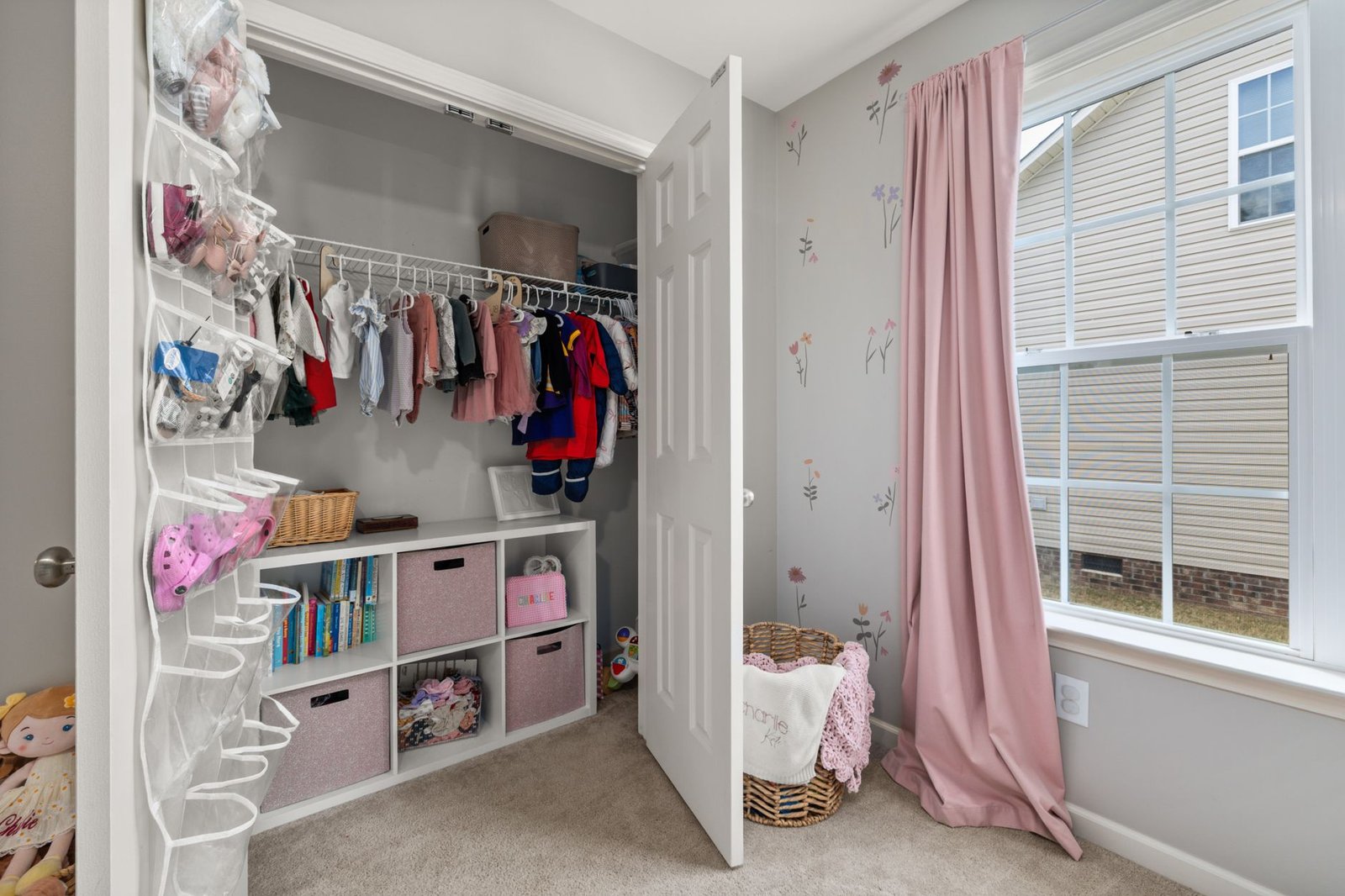
The challenge of managing children’s toy clutter is a common concern for homeowners seeking to maintain organized and peaceful living environments. When toys accumulate, playrooms and bedrooms can quickly lose their functionality and aesthetic appeal. This article presents seven intelligent storage solutions specifically designed for 2026, offering practical strategies to reclaim space, foster tidiness, and encourage independence in younger residents. By integrating modern material advancements and thoughtful design, these approaches transform chaotic areas into well-ordered, joyful spaces.
Foundations for Functional Play Spaces
Embracing Verticality: Wall-Mounted Systems
Maximizing vertical space is a cornerstone of effective organization, especially in areas with limited floorplans. Wall-mounted systems free up valuable floor area, making rooms feel more expansive and easier to navigate. These solutions also place items within easy reach for children, promoting self-sufficiency in selecting and returning toys. In 2026, modular wall units crafted from recycled polymers and biocomposite materials offer lightweight yet robust options. Many integrate subtle, motion-sensing LED lighting, enhancing visibility and adding a contemporary touch. Residents can select from various configurations, including floating shelves, cubby-style units, and adaptable pegboards that allow for quick rearrangement as a child’s interests evolve. The flexibility of these systems ensures long-term utility, adapting to growth and changing storage needs.
Integrated Furniture: Dual-Purpose Designs
For spaces where every square foot counts, furniture that serves multiple functions is an invaluable asset. Integrated designs blend storage seamlessly into everyday items, minimizing visual clutter while maximizing utility. This approach is particularly beneficial in smaller bedrooms or multi-purpose play areas. Examples include ottomans with lift-top storage compartments, beds featuring built-in drawers beneath the mattress, and window seats with hidden cubbies. Modern options in 2026 often utilize enhanced melamine finishes that are highly durable and easy to clean, resisting scratches and stains common in children’s environments. Antimicrobial fabrics are also increasingly popular for upholstered storage pieces, providing hygienic and low-maintenance solutions for busy households.
Empowering Independence Through Design
Accessible Bins and Baskets: The Low-Level Approach
Empowering children to manage their own belongings is a key outcome of well-designed storage. Low-level, easily accessible bins and baskets enable young residents to independently select and put away toys. This fosters a sense of responsibility and ownership over their play space. A variety of materials are available to suit any aesthetic, from robust, clear acrylic bins that allow for quick visual identification of contents, to soft fabric bins ideal for plush toys, and elegant woven baskets made from sustainable natural fibers like bamboo or seagrass. For 2026, options include lightweight, non-toxic recycled plastics, often featuring natural dye color-coding for intuitive organization. Some advanced systems even incorporate miniature RFID tags, allowing for simple digital inventory management via a resident’s smart device, streamlining toy rotation and identifying missing items.
Rolling Carts and Mobile Units: Dynamic Organization
Flexibility is paramount in dynamic family environments, and rolling carts or mobile storage units offer unparalleled adaptability. These units can be moved effortlessly between play areas, bedrooms, or even outdoor spaces for contained play, simplifying cleanup and promoting versatility. Multi-tiered utility carts are excellent for art supplies or small activity kits, while wheeled toy chests can quickly transport larger items. Contemporary designs in 2026 often feature lightweight yet sturdy frames made from recycled aluminum or reinforced bioplastics, equipped with silent, non-marking caster wheels. Modular add-ons, such as stackable trays or removable dividers, further enhance their functionality, allowing for customized organization as needs change.
Dedicated “Play Zones” with Defined Boundaries
Creating distinct “play zones” within a larger room helps to manage toy dispersal and provides a sense of order. By physically or visually delineating areas for different types of play – a reading nook, an art station, a building block area – homeowners can prevent toys from spreading across the entire space. Area rugs can serve as soft, visual boundaries, while low bookshelves or modular storage units can act as functional room dividers. Corner setups that group related items and their storage solutions together also contribute to a contained play environment. In 2026, innovations include acoustically dampening room dividers that minimize noise transfer, flexible biophilic partitions incorporating live plants or natural textures, and smart lighting systems that can adjust to illuminate specific zones, enhancing focus and organization.
Innovative Materials and Smart Solutions for 2026
Smart Storage with Digital Integration
The convergence of home organization and smart technology offers exciting possibilities for managing toy clutter. Digital integration can simplify inventory, rotation, and even location of toys. Homeowners can implement systems where QR codes are attached to storage bins, allowing for quick digital cataloging via a smartphone app. This provides an easily searchable inventory, preventing duplicate purchases and facilitating toy rotation. Motion-activated lights within closets or deep drawers ensure items are always visible. For the future, nascent technologies in 2026 include prototype AI-powered sorting mechanisms for smaller items, and augmented reality (AR) applications that allow residents to visualize and plan storage layouts before physical implementation, ensuring optimal use of space and aesthetics.
Sustainable and Durable Material Choices
Conscious consumerism continues to drive demand for storage solutions that are both environmentally responsible and built to last. Investing in durable, sustainable materials ensures longevity and minimizes environmental impact. Preferred choices in 2026 include FSC-certified wood, which guarantees responsible forest management, and recycled content polymers that divert waste from landfills. Bamboo and cork offer naturally renewable alternatives, providing both aesthetic appeal and robust performance. For textiles, organic cotton and hemp are favored for their low environmental footprint. Furthermore, advanced non-VOC (Volatile Organic Compound) finishes ensure healthier indoor air quality. Emerging trends feature self-healing materials for high-wear surfaces, capable of minor repairs to resist the inevitable nicks and scratches from active play, alongside innovative plant-based plastics that offer both resilience and biodegradability at end-of-life.
Implementing these seven smart storage solutions transforms chaotic children’s areas into havens of order and creativity. From leveraging vertical space to integrating smart technology and choosing sustainable materials, the homeowner can create environments that are not only aesthetically pleasing but also highly functional. The benefits extend beyond mere tidiness; they foster a child’s independence, simplify routines, and contribute to a more serene domestic atmosphere. By thoughtfully applying these 2026-relevant strategies, residents can establish future-proof systems that adapt to the evolving needs of their family, ensuring joy and organization for years to come.