
Optimizing garden productivity and aesthetics through edible ground covers remains a key focus for homeowners in 2026. While no single ‘best’ edible ground cover exists universally, the optimal choice for a productive garden in 2026 depends on specific microclimates, soil conditions, and the gardener’s goals. Top contenders for enhancing both yield and visual appeal include versatile options such as alpine strawberries, creeping thyme, and sweet potato vines, each offering distinct advantages for various garden settings.
The Enduring Appeal of Edible Ground Covers
Edible ground covers represent a sophisticated approach to landscape design, blending horticultural function with culinary utility. These plants serve a dual purpose: beautifying the garden with their foliage, flowers, and textures, while simultaneously providing a harvest of leaves, fruits, or roots. Beyond their immediate yield, they play a crucial role in maintaining soil health, suppressing weeds, and conserving moisture, making them indispensable components of a sustainable and productive garden ecosystem.
Beyond Aesthetics: The Functional Benefits
The strategic deployment of edible ground covers offers numerous ecological advantages. They act as living mulches, regulating soil temperature and reducing evaporation, thereby minimizing the need for frequent irrigation—a significant consideration given evolving water conservation standards in 2026. Their dense growth shades out undesirable weeds, reducing the reliance on manual weeding or chemical interventions. Furthermore, many varieties contribute to soil fertility by fixing nitrogen or adding organic matter, improving the overall vitality of the garden bed. For the environmentally conscious gardener, these plants also provide habitat and food for beneficial insects, enhancing biodiversity within the residential landscape.
Top Edible Ground Cover Choices for 2026
Selecting the appropriate edible ground cover involves considering factors like light requirements, growth habit, and culinary application. The following plants stand out for their exceptional performance and versatility in modern 2026 gardens.
Alpine Strawberry (Fragaria vesca)
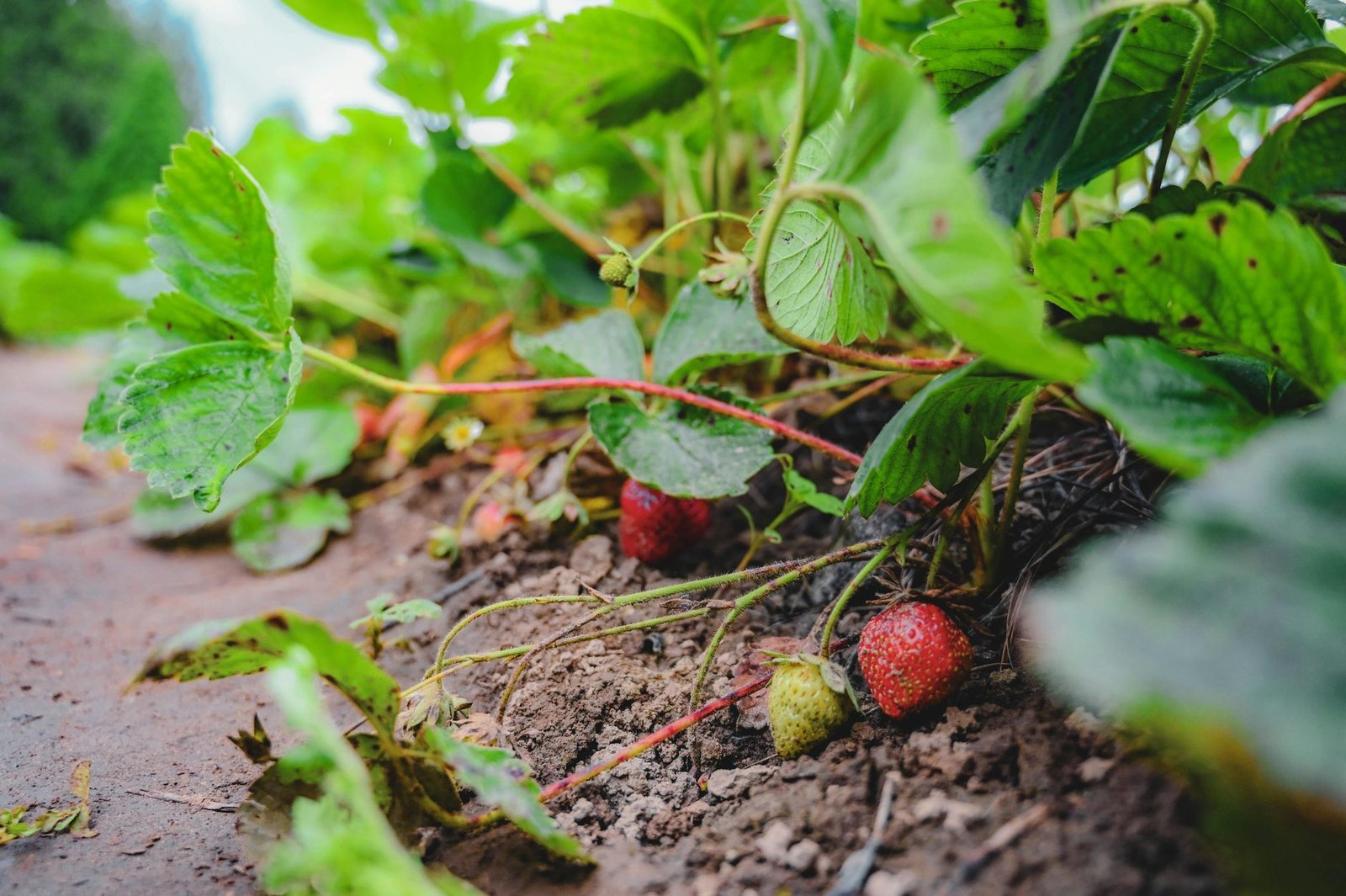
Alpine strawberries are a perennial favorite, producing small, intensely flavorful berries throughout the growing season without sending out prolific runners. Their compact growth forms a dense mat, effective at weed suppression, and they thrive in partial shade to full sun. They are particularly attractive for woodland garden styles and along pathways, offering a delightful harvest for the resident.
Creeping Thyme (Thymus serpyllum)
For sunny, well-drained areas, creeping thyme offers a fragrant, low-maintenance solution. This herb forms a tight, walkable mat, releasing an aromatic scent when brushed or stepped upon. Its tiny leaves are culinary treasures, perfect for seasoning, and its small flowers attract pollinators. Drought-tolerant once established, it aligns well with modern xeriscaping principles and reduced water usage.
Sweet Potato Vine (Ipomoea batatas)
While often grown for ornamental foliage, many varieties of sweet potato vine are excellent edible ground covers. Their vigorous, sprawling habit quickly covers large areas, providing effective weed control and moisture retention. The leaves are edible and nutritious, often used in stir-fries, and certain cultivars will produce harvestable tubers in warmer climates or extended growing seasons. New compact, high-yielding edible cultivars are increasingly available in 2026, offering greater versatility.
Mints (Mentha spp.)
Various mint species are highly effective, fast-spreading ground covers, though their enthusiastic growth requires careful management. When contained, perhaps in raised beds or planters with barriers, they offer aromatic foliage for teas, culinary uses, and even pest deterrence. Varieties like peppermint or spearmint thrive in moist conditions and partial shade, creating lush green carpets.
Miner’s Lettuce (Claytonia perfoliata)
An often-overlooked native edible, Miner’s Lettuce is ideal for cooler, shadier spots. It produces delicate, succulent leaves that are rich in vitamins and can be harvested repeatedly. This self-seeding annual forms a beautiful, low-growing carpet, especially valued for early spring greens before other plants have fully emerged.
Nasturtiums (Tropaeolum majus)
Nasturtiums are vibrant, easy-to-grow annuals that serve as both a beautiful ground cover and a culinary delight. Their peppery leaves and blossoms are edible, adding a unique flavor and color to salads. They also act as a trap crop for aphids, diverting pests from more valuable garden plants, a natural pest management strategy increasingly favored in 2026.
Integrating Modern Trends and Technology in 2026 Gardening
The year 2026 brings new advancements that amplify the benefits of edible ground covers. Smart gardening technologies and sustainable material developments are making it easier for residents to cultivate productive and aesthetically pleasing landscapes.
Smart Irrigation & Soil Sensors
Modern gardens in 2026 frequently incorporate smart irrigation systems integrated with soil moisture sensors. These systems precisely deliver water only when and where it is needed, optimizing conditions for ground covers while minimizing waste. This technology is particularly beneficial for establishing drought-tolerant edible ground covers, ensuring efficient water use during critical growth phases.
Vertical & Tiered Ground Cover Systems
For urban environments or smaller spaces, vertical and tiered ground cover systems are gaining traction. These innovative structures allow for the cultivation of edible ground covers on multiple levels, maximizing yield in minimal footprints. Lightweight, durable recycled plastics and biocomposite materials are prevalent in these modular systems, offering longevity and sustainability.
Biodegradable Mulches and Soil Amendments
The market in 2026 sees a rise in advanced biodegradable mulches and targeted soil amendments. These products, often enriched with beneficial microbes or slow-release organic nutrients, support the rapid establishment and robust growth of ground covers. Materials derived from agricultural waste streams are increasingly used, contributing to a circular economy in gardening practices.
Selecting the Right Ground Cover for Specific Conditions
Successful integration of edible ground covers hinges on careful selection tailored to the garden’s unique attributes.
Sun Exposure and Soil Type Considerations
Understanding the specific light conditions – full sun, partial shade, or deep shade – is paramount. Equally important is assessing the soil type: sandy, loamy, or clay-heavy, and its pH level. For example, creeping thyme thrives in full sun and well-drained soil, whereas miner’s lettuce prefers cooler, shadier, and moister conditions. Soil tests, readily available and often integrated with smart garden apps in 2026, provide precise data for informed decisions.
Climate Zone Adaptability
Referencing the USDA Plant Hardiness Zones or equivalent local climate classifications ensures that selected ground covers can withstand regional temperature extremes. While some edible ground covers are widely adaptable, others have specific cold or heat tolerances. Exploring newly developed, climate-resilient cultivars is advisable for optimal long-term success.
Maximizing Garden Potential with Edible Ground Covers
Incorporating edible ground covers into a home garden in 2026 is a highly effective strategy for enhancing both productivity and aesthetic appeal. By carefully considering the specific characteristics of the garden site and choosing plants that align with environmental conditions and culinary desires, residents can create a resilient, low-maintenance, and bountiful landscape. The judicious selection of these plants, supported by modern gardening trends and technologies, transforms mundane garden spaces into dynamic, food-producing ecosystems, enriching the domestic environment and promoting sustainable living for the homeowner.